


Understanding Evening Stress and Its Impact on Sleep
Common Causes of Evening Stress
Evening stress often stems from the cumulative pressures experienced throughout the day. Work deadlines, unresolved conflicts, and personal responsibilities can linger in the mind as night approaches. Additionally, the anticipation of the next day’s challenges sometimes triggers anxious thoughts. These mental burdens create a whirlpool of tension that can intensify just when it’s time to unwind.

Environmental factors like noise, excessive screen time, or a cluttered living space may also contribute to the feeling of restlessness in the evening. Recognizing these causes is a crucial first step toward managing stress effectively and preparing the mind for restful sleep.
How Stress Disrupts Sleep Quality
When stress hormones like cortisol remain elevated in the evening, the body struggles to transition into a relaxed state conducive to deep sleep. This physiological alertness can delay the onset of sleep and reduce time spent in restorative stages, such as REM and deep sleep. As a result, people often experience fragmented sleep, frequent awakenings, or difficulty returning to sleep after disturbances.
Moreover, a stressed mind tends to perpetuate a cycle of worry and restlessness, making it harder to switch off racing thoughts. The impact on sleep quality not only affects how refreshed one feels the next day but can also influence overall health and emotional well-being over time.
Establishing a Calming Evening Routine
Step-by-Step Guide to an Effective Wind-Down
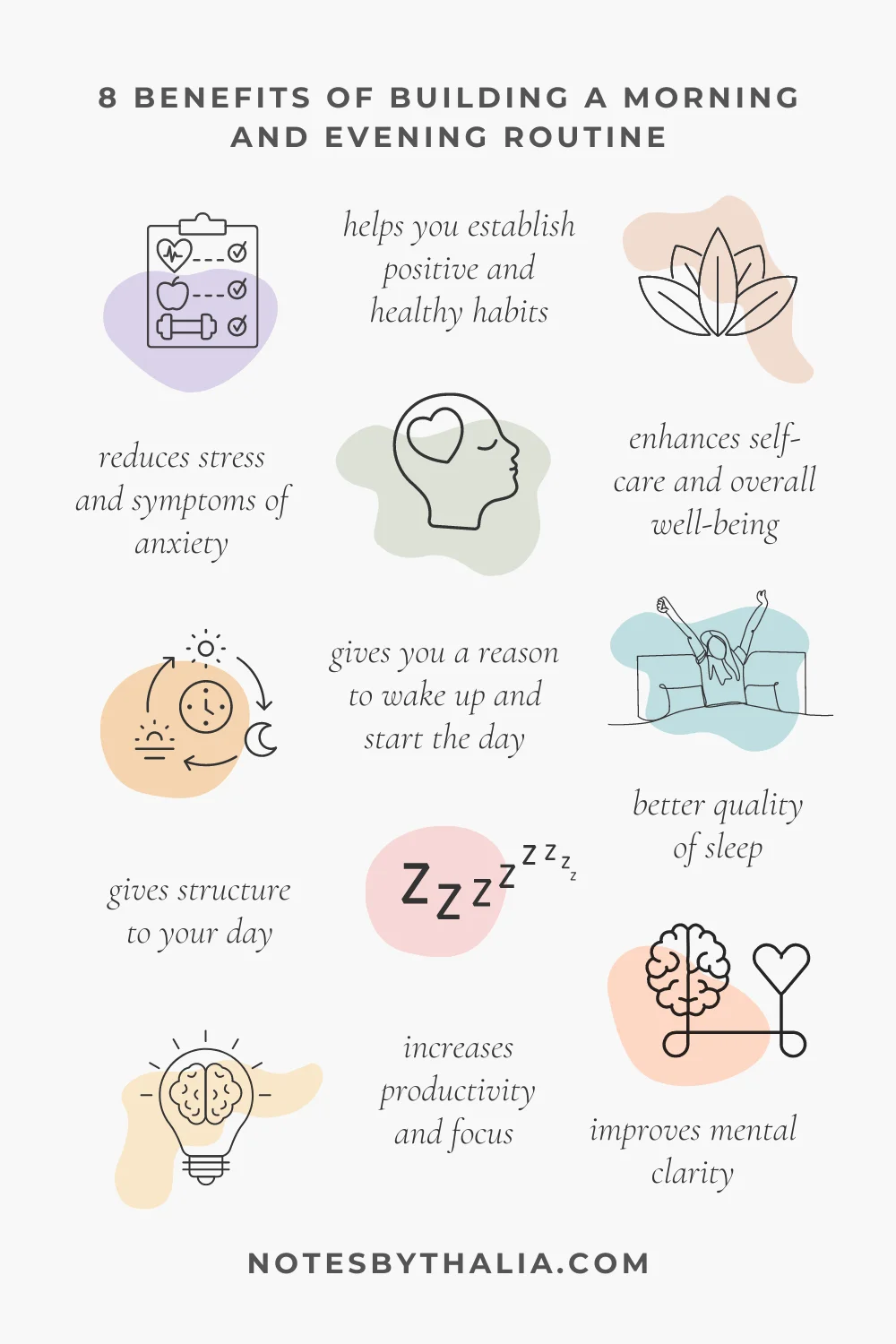
Creating a structured evening routine helps signal your brain that the day is ending and it’s time to slow down. Begin by setting a consistent bedtime to regulate your internal clock. About an hour before bed, start dimming the lights and transitioning away from stimulating activities. This gradual shift reduces sensory input and allows the nervous system to relax.
Engage in calming activities such as reading a book, listening to soft music, or taking a warm bath. These practices gradually lower heart rate and calm the mind. Avoid multitasking or engaging with stressful content during this time. Establishing this routine consistently encourages your body to associate these habits with the onset of restful sleep.
Incorporating Mindfulness and Meditation Practices
Mindfulness and meditation can be powerful tools to ease evening stress. These practices encourage focusing attention on the present moment, which helps interrupt cycles of worry. A simple meditation exercise involves sitting quietly and paying attention to your breath, acknowledging thoughts without judgment, and gently bringing focus back to breathing.
Incorporating just 10 to 15 minutes of mindfulness before bed can create a mental space of calm. Over time, this practice can make it easier to release built-up tension, reduce anxiety, and foster a peaceful mindset conducive to sleep.
Nutrition and Hydration Tips for Evening Relaxation
Foods That Promote Relaxation and Sleep
What you eat in the evening can greatly affect how easily you relax and fall asleep. Certain foods naturally support the production of calming neurotransmitters like serotonin and melatonin. For example, almonds and walnuts contain magnesium, which helps regulate the nervous system. Cherries are a natural source of melatonin and may assist in signaling the body to prepare for rest.
Including light, easily digestible snacks such as banana slices or a small bowl of oatmeal can provide sustenance without causing discomfort or indigestion. Choosing the right foods helps reduce physical stress and supports a smoother transition into sleep.
Drinks to Avoid and Recommended Alternatives
In the evening, it’s important to avoid stimulants like caffeine and excessive sugar, both of which can elevate heart rate and disrupt sleep onset. Alcohol, while initially sedating, often leads to fragmented and lower-quality sleep later in the night. Instead, opting for calming herbal teas like chamomile or peppermint can promote relaxation. Warm milk is another traditional choice that may evoke a sense of comfort and help ease the mind.
Staying hydrated is essential, but balance is key. Drinking too much fluid immediately before bed might interrupt sleep with frequent awakenings for bathroom visits. Spacing hydration earlier in the evening supports relaxation without inconvenience.
Physical Activities That Help Unwind Before Bed
Gentle Stretching and Yoga Poses
Physical tension accumulated during the day can contribute to mental stress and interfere with night’s rest. Gentle stretching or practicing relaxing yoga poses in the evening helps release muscle tightness and promotes a calm state of body and mind. Poses like child’s pose, forward folds, or legs-up-the-wall encourage relaxation and circulation without overexerting.
These activities also encourage mindful awareness of the body, which can draw attention away from racing thoughts. By integrating gentle movement before bed, the body signals it is ready to transition into rest.
Breathing Exercises to Ease Tension
Controlled breathing techniques provide a simple yet effective way to calm the nervous system. Slow, deep breaths activate the parasympathetic nervous system, which counteracts the body’s stress response. One common method is the 4-7-8 technique, which involves inhaling for four seconds, holding the breath for seven seconds, and exhaling for eight seconds.
Practicing these exercises regularly in the evening can reduce physical symptoms of stress such as a racing heart or shallow breathing. This paves the way for a smoother descent into restful sleep.
Creating a Sleep-Friendly Environment
Optimizing Bedroom Lighting and Temperature
Lighting plays a significant role in regulating the body’s internal clock. Exposure to bright or blue-toned light in the evening can suppress melatonin production and delay sleepiness. Keeping the bedroom dimly lit as bedtime approaches helps the brain recognize it’s time to wind down. Blackout curtains or eye masks can further minimize unwanted light disruptions during the night.
Temperature also affects comfort and sleep quality. Typically, a cooler room between 60 to 67 degrees Fahrenheit supports optimal rest by assisting the body’s natural drop in core temperature. Adjusting bedding and clothing to maintain a comfortable temperature adds to the overall sleep-friendly environment.
Using Aromatherapy and Sound to Enhance Relaxation
Scents like lavender, chamomile, and sandalwood have long been associated with relaxation and calmness. Using essential oils or scented candles (safely extinguished before sleep) can create a soothing atmosphere that signals relaxation to the brain. These aromas may help reduce anxiety and promote a serene mental state.
Soft background sounds, such as white noise, gentle rain, or nature sounds, can also mask disruptive noises and create a comforting environment. These sensory enhancements encourage a peaceful setting conducive to falling and staying asleep.
Evening Tech Habits to Avoid for Better Sleep
Impact of Blue Light on the Brain
Electronic devices like smartphones, tablets, and televisions emit blue light, which tricks the brain into thinking it is daytime. This exposure suppresses melatonin production, the hormone responsible for signaling sleep. As a result, the brain remains alert when it should be preparing for rest, making it harder to fall asleep.
Understanding this biological impact highlights the importance of limiting screen use during evening hours. Reducing blue light exposure allows the natural sleep-wake cycle to proceed unimpeded.
Setting Boundaries with Screens
A practical step is to establish a technology curfew at least an hour before bedtime. Turning off devices or using built-in night modes that reduce blue light can minimize disruption. Additionally, avoiding emotionally charged or work-related content during this time helps prevent mental overstimulation.
Creating designated screen-free zones, such as the bedroom, supports the habit of associating the sleeping environment with rest rather than alertness. These boundaries promote a smoother transition into a calm and restful evening.
Practical Tips to Maintain Consistency in Evening Habits
Tracking Progress and Adjusting Your Routine
Consistency is key to making evening habits effective. Keeping a simple journal or using an app to track which practices help reduce stress and improve sleep can provide valuable insights. Note the time you start your routine, activities performed, and how you feel upon waking. This feedback loop supports gradual adjustments to find the most beneficial combination of habits.
Flexibility is important too. Life changes may require modifications to your routine, and being open to fine-tuning increases long-term sustainability.
Tips for Staying Motivated
Establishing new habits can be challenging, especially when stress and fatigue are present. Setting small, achievable goals helps build momentum without feeling overwhelming. Celebrating incremental successes encourages continued effort. Sharing your goals with a supportive friend or family member adds accountability and encouragement.
Reminding yourself of the positive impact that a calming evening routine has on overall well-being and daily energy can reinforce motivation. Over time, these habits become natural parts of your day, making restful nights a consistent reality.