


Understanding Morning Procrastination
Common Causes That Hinder Early Productivity
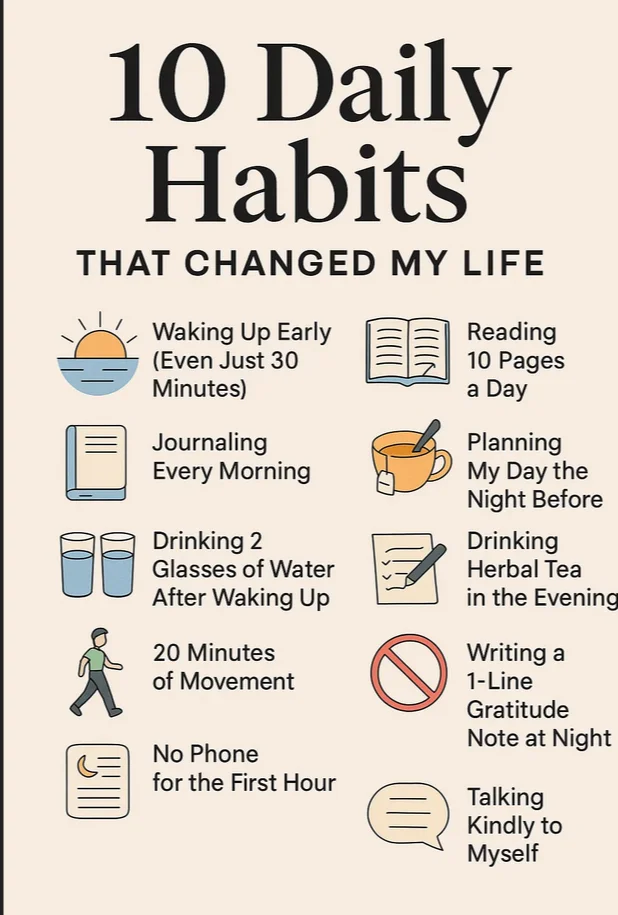
Many people struggle to start their day productively before 9 AM, and this procrastination often stems from deeper underlying causes. For instance, difficulty waking up, feeling overwhelmed by the day’s tasks, or simply not having clear goals can all contribute. I remember a friend who would hit the snooze button multiple times, not because he was lazy but because he hadn’t mentally prepared for the day ahead. This mental fog can delay even the simplest actions, leaving precious morning hours wasted.
Psychological Impact of Starting Late
Starting your day late doesn’t just affect your schedule; it also impacts your mindset throughout the day. When you begin tasks behind your intended timeline, it often triggers a sense of guilt or stress, which can cascade into decreased motivation and focus. I’ve seen colleagues who miss early deadlines become anxious, impairing their creativity and problem-solving abilities. Consequently, this chain reaction reinforces procrastination, creating a tough cycle to break.
Pre-Bed Preparations for a Productive Morning
Setting Intentions and Priorities the Night Before
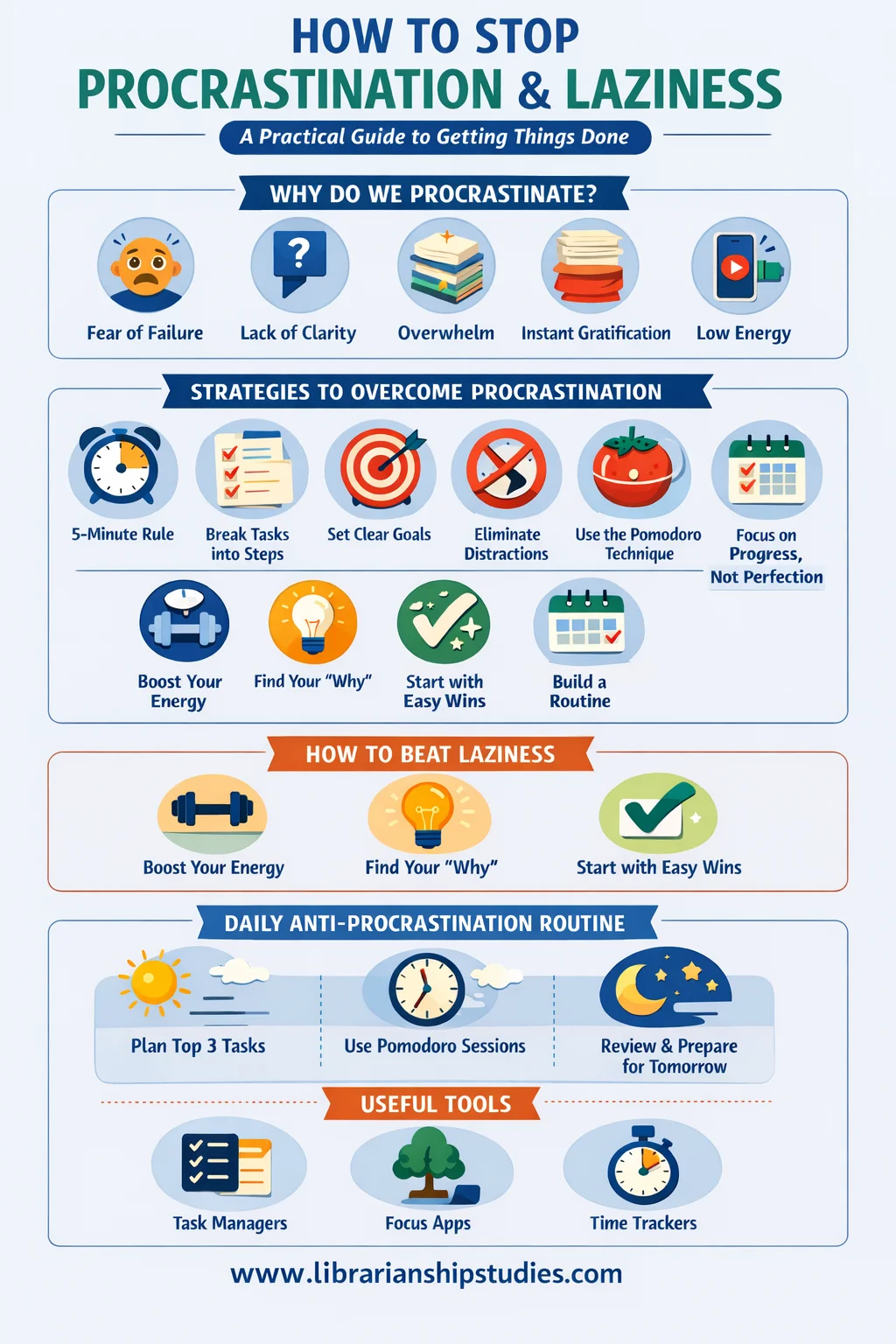
One of the most empowering habits to combat morning procrastination is planning the night before. For example, an entrepreneur I know dedicates ten minutes each evening to outline three priority tasks for the next day. This simple action provides direction immediately upon waking, reducing decision fatigue and delaying the urge to procrastinate. By having clear intentions, your brain is already geared to act efficiently as soon as you start the day.
Optimizing Your Sleep Environment and Schedule
Good sleep hygiene plays a pivotal role in how productive you feel in the morning. Creating a calm, dark room and maintaining a consistent bedtime can improve sleep quality. I’ve read about professionals who avoid screens an hour before sleep and instead read a book or practice relaxation techniques. This approach helps them wake up refreshed and ready to tackle their early tasks. In contrast, poor sleep leads to sluggish mornings and a higher likelihood of hitting the snooze button repeatedly.
Effective Morning Rituals to Beat Procrastination
Physical Movement: Energizing Your Body
Starting your morning with some form of physical activity can significantly reduce procrastination. Whether it’s a brisk walk, stretching, or a quick workout, moving your body jumpstarts your energy and mental alertness. A colleague of mine swears by a 10-minute yoga sequence immediately after waking, which not only energizes but also helps him focus on what’s ahead. This physical momentum often translates into prompt action on tasks that might otherwise be postponed.
Mindfulness and Mental Clarity Techniques
Incorporating mindfulness practices, such as deep breathing or meditation, into your morning routine can clear mental clutter and reduce anxiety about the day’s workload. For example, a team leader I worked with begins her mornings with five minutes of mindful breathing, which allows her to enter a calm yet alert state. This mental clarity often results in increased productivity and less procrastination, as she feels more grounded and less overwhelmed by tasks.
Quick Task Initiation Methods
Sometimes the hardest part is simply starting. Techniques like the “two-minute rule,” which suggests beginning any task for just two minutes, can be highly effective. A writer friend shared how committing to write for two minutes each morning eventually led to full articles without feeling daunted. These small wins help build momentum, making it easier to transition to larger tasks and beat the morning procrastination slump.
Leveraging Technology and Tools
Apps and Alarms Designed to Encourage Action
Technology can be a powerful ally in overcoming morning procrastination. Apps that simulate sunrise alarms gently wake you, making it easier to get out of bed. Others, like task managers with reminders or habit trackers, nudge you to start your day with intention. I experimented with an app that locks my phone during morning hours until I complete a priority task, which drastically minimized distraction and procrastination.
Time-Blocking and Task Management Strategies
Applying time-blocking techniques in the morning can prevent unstructured downtime that often leads to procrastination. For example, scheduling focused blocks to work on specific tasks—like answering emails from 7 AM to 7:30 AM—creates accountability. A project manager I know swears by her morning time blocks, which help her maintain a disciplined start and reduce the temptation to delay necessary tasks.
Success Stories: Morning Habits That Changed Lives
Case Study 1: From Delayed Starts to Consistent Wins
John, a freelance graphic designer, used to struggle with procrastinating until late mornings, often missing client deadlines. After adopting a night-before planning routine and morning physical stretches, he noticed a dramatic improvement. Not only did he start work earlier, but his quality of output improved as well. His clients began providing positive feedback, which reinforced his new habits and turned morning productivity into consistent wins.
Case Study 2: Overcoming Mental Barriers with Routine
Lisa, a software developer, faced mental blocks every morning that prevented her from starting tasks promptly. She introduced mindfulness meditation and the two-minute rule into her routine. Over several weeks, these techniques reduced her anxiety and helped her break large projects into manageable steps. The structured morning rituals gave her the confidence to maintain momentum throughout the day, transforming procrastination into proactive behavior.
Tips for Sustaining Momentum Beyond 9 AM
Maintaining Focus Throughout the Day
Building morning habits is only the beginning. To sustain productivity beyond 9 AM, it helps to take regular breaks, stay hydrated, and periodically review your task list. I know a marketing executive who sets mini checkpoints every few hours to recalibrate her focus, preventing burnout and keeping distractions at bay. These practices help maintain the momentum gained in the morning.
Adjusting Habits as Your Needs Evolve
Finally, it’s important to recognize that productivity routines aren’t static. As your job demands or personal circumstances change, so should your habits. For example, someone transitioning to remote work might need to introduce new rituals to replace the commute time. Being flexible and reflective allows morning habits to remain effective and prevents slipping back into procrastination patterns.