


Why Decluttering Kids’ Toys Matters
Emotional and Developmental Benefits of an Organized Play Area
Parents often struggle with the overwhelming clutter of kids’ toys, but organizing these play areas goes beyond mere tidiness. A clutter-free space fosters a sense of calm and security for children, helping them focus during play and encouraging creativity. When toys are accessible and orderly, kids can make independent choices, which boosts their confidence and aids in developmental milestones such as decision-making and responsibility.
Common Challenges Parents Face with Toy Storage
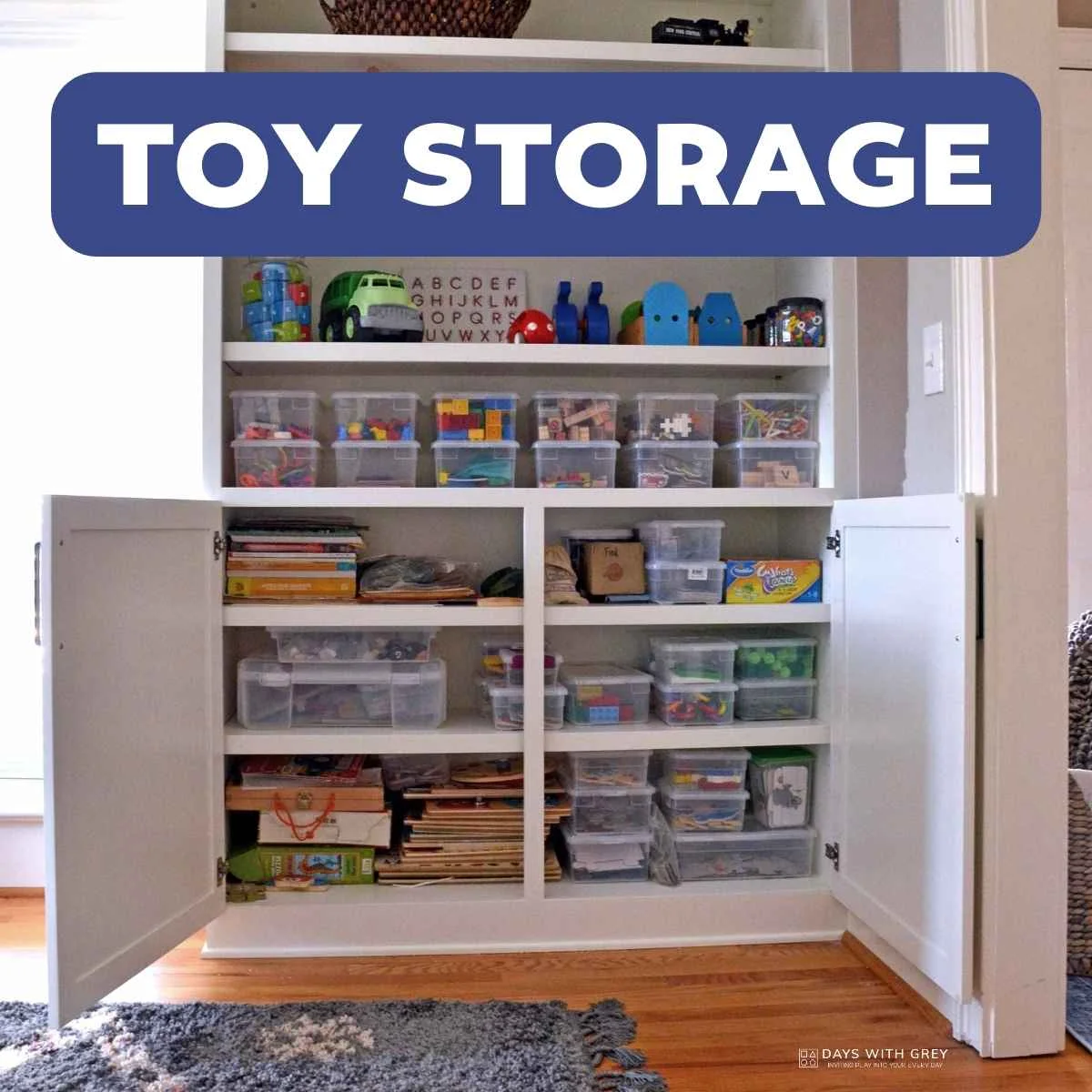
Despite the benefits, many parents find toy storage challenging due to the sheer volume and variety of items involved. Toys come in different shapes, sizes, and categories, making it difficult to find a one-size-fits-all storage system. Moreover, parents want solutions that don’t just hide clutter but keep toys within easy reach to avoid discouraging play. Safety considerations, limited living space, and maintaining order as children grow add layers of complexity to the problem.
Criteria for Choosing the Best Storage Solutions
Accessibility for Kids
The primary issue with many storage solutions is that they lack child accessibility. When toys are tucked away in complicated bins or high shelves, children lose the independence to retrieve or return items on their own. The best storage must be designed at child height and encourage self-sufficiency without adult assistance. Clear containers or open bins can help kids quickly spot what they want, making the play experience smoother and more enjoyable.
Durability and Safety
Toys are often dragged, thrown, or dropped, so storage solutions need to withstand rough handling. Choosing sturdy, non-toxic materials ensures the safety of both kids and toys. Fragile bins or unstable furniture can pose hazards, so durability is key to prevent accidents and costly replacements. Rounded edges and secure fittings minimize injury risks, especially in active playrooms.
Space Efficiency
Limited space is a constant challenge for families with young children. Inefficient storage can quickly consume valuable floor area, leading to overcrowding. The ideal solutions maximize vertical space or offer multipurpose functionality, allowing rooms to feel open and inviting rather than cramped. Space efficiency often involves clever design choices that make storing toys easier without sacrificing room for play.
Top Storage Ideas Tailored for Kids’ Toys
Open Shelving with Bins
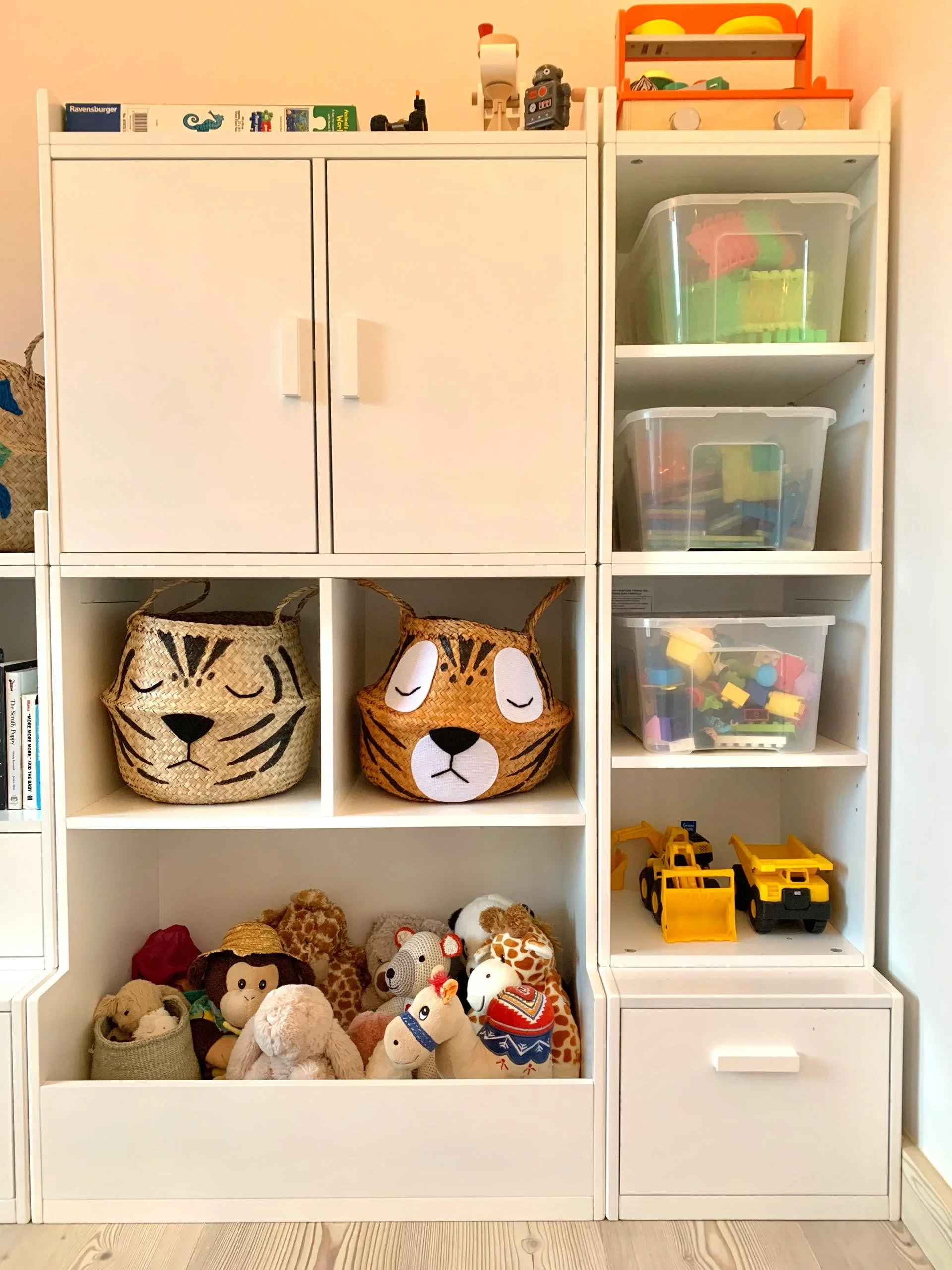
Open shelves paired with labeled bins are a popular and effective storage option. This setup promotes easy access for kids and clearly defined spaces for different toy types. Bins can be transparent or color-coded to aid recognition, which improves tidiness and retrieval speed. However, parents should ensure the shelves are securely anchored to avoid tipping hazards.
Stackable Plastic Drawers
Stackable drawers offer versatility in storing various toy categories while fitting into tight spaces. They keep toys hidden when needed but allow easy sorting by size, type, or frequency of use. Drawers that slide smoothly and are lightweight help kids develop organizational habits. The drawback is that if they are not transparent, kids might struggle to remember which drawer holds which toys, so labeling is crucial.
Multi-Functional Furniture (e.g., Toy Chests with Seating)
Furniture that doubles as storage is an excellent solution for maintaining space efficiency. Toy chests with cushioned tops provide seating areas for play or relaxation while hiding large quantities of toys inside. Other examples include ottomans with hidden compartments or coffee tables with storage beneath. This approach reduces clutter visibility and adds practical value to everyday spaces.
Innovative Storage Hacks for Smaller Spaces
Under-Bed Storage Options
Under-bed storage is often underutilized but perfect for toy organization, especially in small bedrooms. Flat bins or rolling containers can slide in and out easily, keeping toys accessible without taking up extra room. Parents should select low-profile, transparent containers for better visibility and quick access, making toy cleanup less of a chore.
Wall-Mounted Toy Organizers
Using vertical wall space with mounted organizers helps keep floors clear and toys within reach. Pocket organizers, pegboards, or hanging baskets can store smaller toys and craft supplies. This method not only saves space but also turns storage into a visually appealing part of the playroom. Careful placement at child height encourages independence while keeping clutter contained.
Repurposing Household Items for Toy Storage
Creative reuse of common household items can solve storage problems without additional expense. Shoe organizers, magazine holders, and laundry baskets can be adapted to hold specific toy collections. This strategy also teaches kids about resourcefulness and sustainability. The key is to ensure these repurposed solutions remain stable and safe for everyday use.
Maintaining Accessibility While Keeping Clutter at Bay
Labeling and Categorization Techniques for Kids
One frequent pitfall is disorganized toys within storage units, making it difficult for kids to find or return items. Clear and simple labeling — using pictures, colors, or words depending on the child’s age — helps maintain order and accessibility. Categorizing toys by type or use guides children in tidying up and improves their understanding of organization, turning clean-up time into a learning opportunity.
Encouraging Kids to Participate in Organization
Parents often struggle with inconsistent cleanup routines, which can undo the benefits of even the most thoughtful storage systems. Involving children in the organizing process fosters a sense of ownership and responsibility. Offering small incentives, setting routines, or turning cleanup into a game motivates kids to keep their play areas tidy and accessible.
Choosing Eco-Friendly and Sustainable Storage Solutions
Materials to Look For
Many traditional storage options rely heavily on plastic, which raises environmental concerns. Opting for eco-friendly materials like bamboo, recycled wood, or biodegradable fabrics reduces the carbon footprint and creates healthier indoor environments. These sustainable materials often boast greater durability, safe finishes, and timeless design that can grow with the child.
Brands Leading the Way in Eco-Friendly Toy Storage
Some manufacturers specialize in sustainable toy storage solutions, combining style, safety, and environmental responsibility. These brands typically use non-toxic paints, FSC-certified wood, or recycled plastics to produce functional yet green products. Choosing such options supports eco-conscious businesses and encourages wider adoption of sustainable practices in family home organization.
Conclusion: Balancing Organization with Fun
Decluttering kids’ toys without sacrificing accessibility requires thoughtful choices tailored to the family’s living space and lifestyle. Prioritizing solutions that are durable, safe, and kid-friendly keeps play areas inviting and manageable. Integrating clever storage ideas with routines that include children promotes habits that extend beyond toys. Ultimately, organizing toys should enhance playtime, not hinder it, striking a harmonious balance between order and fun in every family home.