

Understanding the Basics of Lightweight Skincare
What Makes Skincare Products Lightweight?
Lightweight skincare products are formulated to absorb quickly into the skin without leaving a heavy or greasy residue. Unlike richer creams or oils, these products often have a thinner consistency and focus on delivering hydration and active ingredients efficiently. Their texture allows for easy layering, making them ideal for those looking to address multiple skin concerns without feeling weighed down.
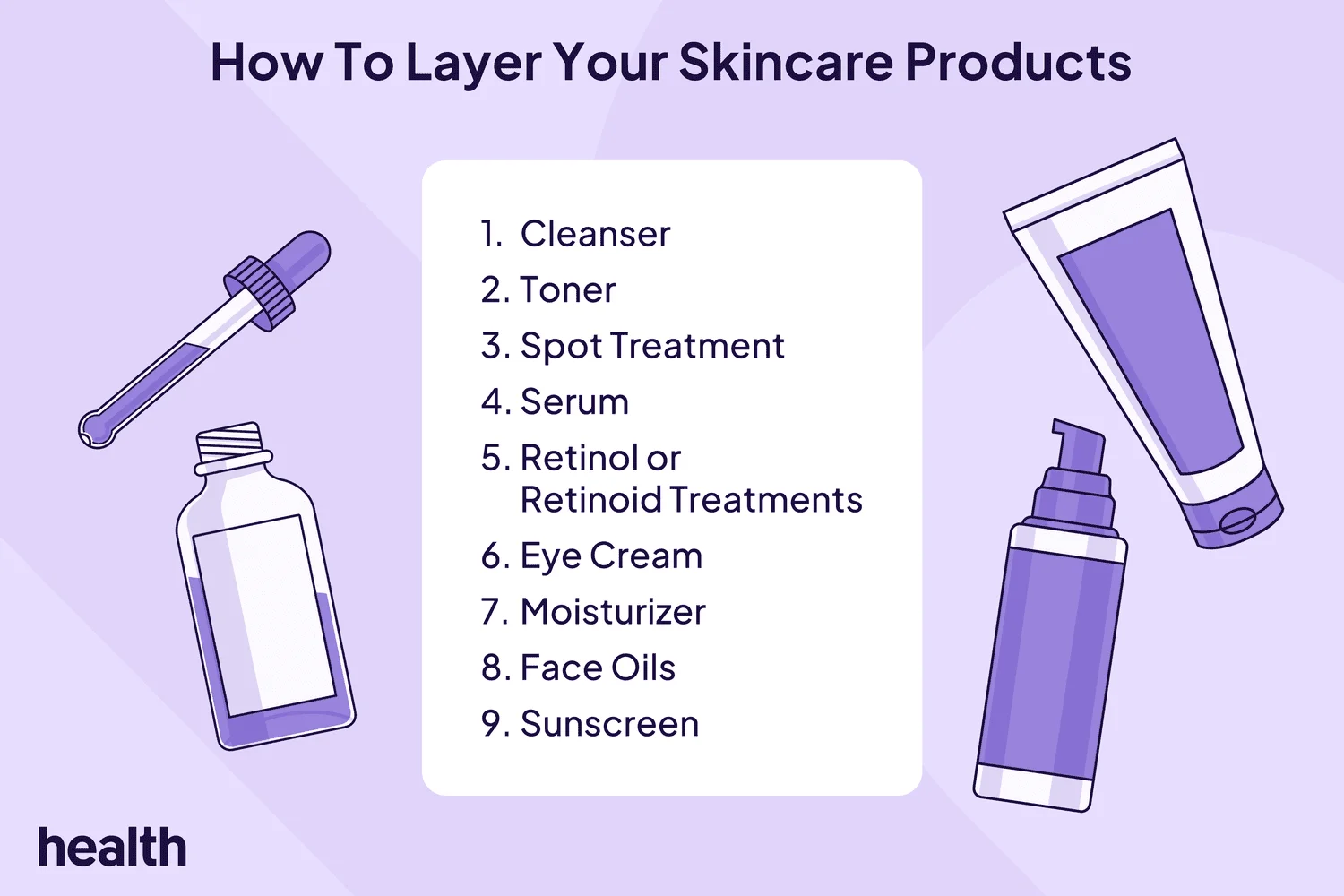
The primary factors contributing to a product’s lightweight nature include the type of base (such as water or gel), the concentration of oils or emollients, and the inclusion of fast-absorbing ingredients. A lightweight formula ensures that your skin feels breathable and comfortable throughout the day.
Benefits of Using Lightweight Products
Using lightweight skincare products offers several advantages, especially for individuals with combination or oily skin types. These products hydrate effectively without clogging pores or causing excess shine. Additionally, they facilitate the layering of multiple products, allowing for tailored skincare routines that target different concerns such as hydration, anti-aging, or brightening.
Moreover, lightweight formulations minimize the risk of breakouts and irritation, as they tend to be less occlusive and allow the skin to breathe. This makes them suitable for sensitive skin or those prone to acne. Ultimately, lightweight products help maintain a balanced complexion by providing essential nourishment without overwhelming the skin’s natural barrier.
Preparation for Effective Layering
How to Properly Cleanse Your Skin
Proper cleansing is the cornerstone of any successful layering routine. Without thoroughly removing dirt, oil, and impurities, lightweight products can mix with residue and contribute to clogged pores. The problem arises when the skin isn’t fully clean, causing products to sit on top rather than absorb properly.
To solve this, begin with a gentle cleanser that suits your skin type, using lukewarm water to open pores slightly for a deeper clean. Avoid harsh scrubs or aggressive cleansing, which can strip natural oils and disrupt your skin barrier. Double cleansing—starting with an oil-based cleanser followed by a water-based one—can be especially effective for removing sunscreen and makeup residues.
The Role of Toners and Essences in Layering
Toners and essences can seem like optional steps, but they play an important role in preparing your skin to absorb subsequent products. The problem with skipping these steps is that your skin might remain dry or unbalanced, making it harder for serums and moisturizers to penetrate well.
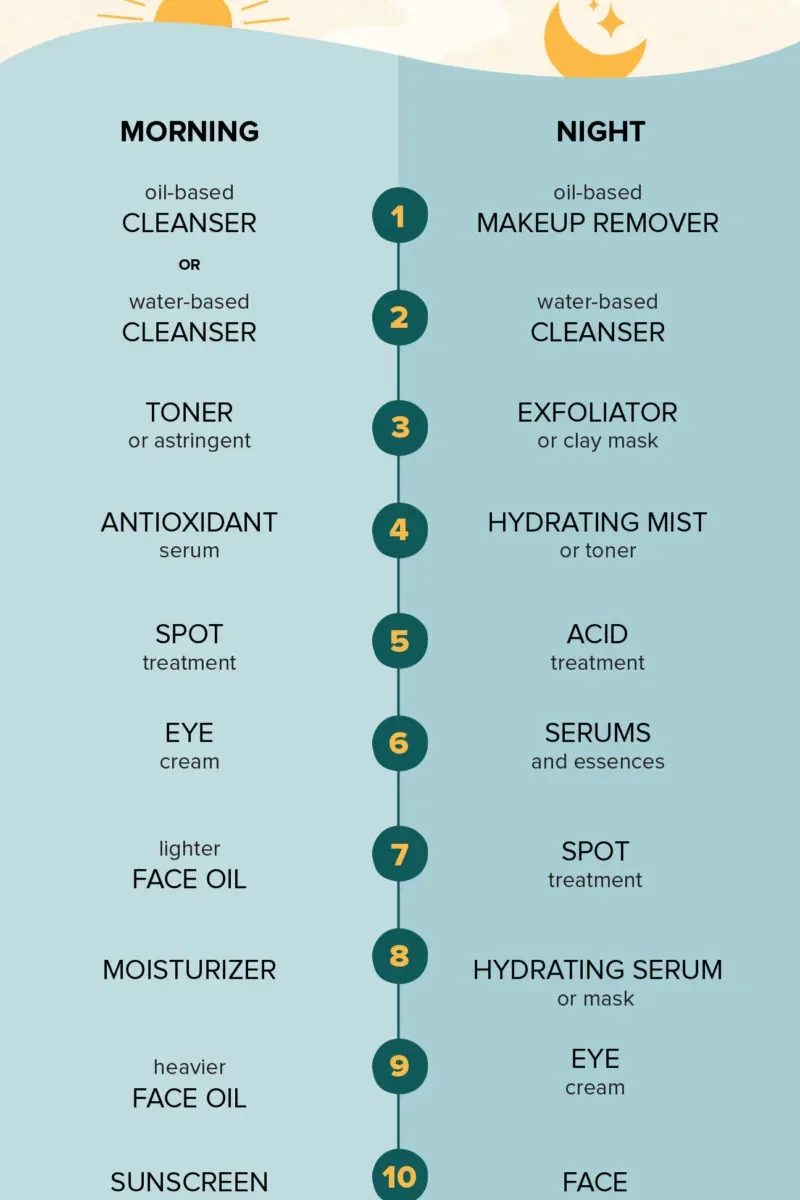
Toners help restore your skin’s pH balance and provide a refreshing layer of hydration, while essences deeply nourish and boost the effectiveness of treatment products applied afterward. Selecting lightweight, alcohol-free toners and hydrating essences ensures your skin stays comfortable and primed, supporting a smoother layering experience.
Step-by-Step Layering Process
Step 1: Applying Serums Correctly
Serums are potent formulations intended to deliver active ingredients directly into the skin. The challenge lies in applying them in a way that maximizes absorption without overwhelming the skin. Applying too much serum can feel sticky and lead to product buildup, potentially clogging pores.
The solution is to use a pea-sized amount and gently pat it onto slightly damp skin. This enhances penetration and avoids unnecessary layering. Also, apply serums in order of thinnest to thickest texture, allowing each layer to absorb fully before the next. This technique ensures your skin can absorb the beneficial ingredients effectively.
Step 2: Choosing and Using Lightweight Moisturizers
A lightweight moisturizer should seal in hydration without suffocating your skin. The problem many face is selecting products that are too heavy, which can lead to clogged pores, or too light, which leaves skin feeling dry and tight.
Opt for gel-based or water-based moisturizers that provide hydration through humectants like hyaluronic acid without heavy occlusives. Apply it after your serums and allow it to absorb fully. This layer locks in moisture and supports your skin’s natural barrier, making it easier to layer sunscreen on top.
Step 3: Incorporating Sunscreen Without Clogging Pores
Applying sunscreen is non-negotiable, but it often poses the challenge of a greasy finish or breakouts. Many sunscreens contain thicker ingredients that can clog pores if layered improperly. The key is to choose lightweight, non-comedogenic sunscreens formulated specifically for the face.
Apply sunscreen as the final step of your routine, making sure your moisturizer has fully absorbed beforehand. Use a gentle patting motion to spread the product evenly without over-applying. This protects your skin from UV damage while maintaining a breathable routine.
Common Mistakes to Avoid When Layering
Overloading Your Skin
One common mistake is believing that more products or thicker layers deliver better results. Overloading your skin can overwhelm the pores, trap impurities, and trigger breakouts or irritation. The skin can only absorb a limited amount of product effectively at one time.
To prevent this, minimize the number of layers and focus on lightweight textures. Introduce products slowly and observe how your skin responds before adding more. This approach reduces the risk of clogged pores and maintains clear, healthy skin.
Ignoring Ingredient Compatibility
Another pitfall is combining ingredients that don’t work well together, which can cause irritation or reduce product efficacy. For example, layering multiple strong actives like retinol and acids can sensitize the skin and disrupt its barrier.
It’s essential to research ingredient compatibility or consult with a skincare professional. Alternate the use of potent actives on different days or times of day. Being mindful of how ingredients interact ensures a balanced routine and prevents unintended skin issues.
Tips for Maintaining Clear Skin While Layering
Daily Habits to Support Your Routine
Even the best layering routine can falter if daily habits don’t support skin health. Factors like not removing makeup thoroughly, frequent touching of the face, or using dirty pillowcases contribute to clogged pores. Maintaining cleanliness and gentle handling of your skin enhances the benefits of your lightweight products.
Stay hydrated and maintain a balanced diet as well, because skin health is influenced from within. These habits complement your external care and help maintain clear, radiant skin.
When to Adjust Your Layering Based on Skin Changes
Skin is dynamic and changes over time due to factors like weather, hormonal shifts, or stress. Ignoring these changes can lead to poor product performance or breakouts. For example, heavier products might be needed during dry winter months, while lighter options suit hotter, humid seasons better.
Regularly assess your skin’s needs and adjust your layering routine accordingly. Simplify your regimen if irritation occurs and introduce new products gradually. This flexible approach helps maintain skin balance and prevents pore congestion.
Additional Advice: Expert Recommendations
Top Lightweight Ingredients to Look For
Experts recommend ingredients like hyaluronic acid, niacinamide, peptides, and lightweight antioxidants for effective layering without pore blockage. These components hydrate, brighten, and strengthen skin without adding heaviness. Additionally, ingredients such as squalane and glycerin offer excellent moisturization with a lightweight feel.
Choosing products with these ingredients ensures your routine is both nourishing and gentle, supporting healthy skin function while preventing congestion.
Products to Avoid for Acne-Prone Skin
For acne-prone skin, it’s vital to steer clear of ingredients known to clog pores or irritate, such as heavy oils (coconut oil, mineral oil) and certain silicones that create a film on the skin. Comedogenic fragrances and alcohol-heavy formulas also exacerbate breakouts and dryness respectively.
Instead, focus on non-comedogenic, fragrance-free products that prioritize lightweight formulations. Testing products on a small patch of skin before full application helps avoid adverse reactions and maintains clear, healthy pores.


