


Why Choose Budget-Friendly Meal Prepping?
Benefits of Cooking Dinners Under $5
Picture this: after a long day at work, you want a satisfying, nutritious dinner without breaking the bank. Preparing meals that cost less than $5 each can help you stretch your paycheck while still fueling your body with quality food. Not only does this approach make dining at home more appealing, but it also encourages healthier eating habits by reducing reliance on takeout and processed foods. Sarah, a busy teacher, shared how switching to budget-friendly meal prepping helped her save over $100 a month and improve her energy levels.
How Meal Prepping Saves Time and Money
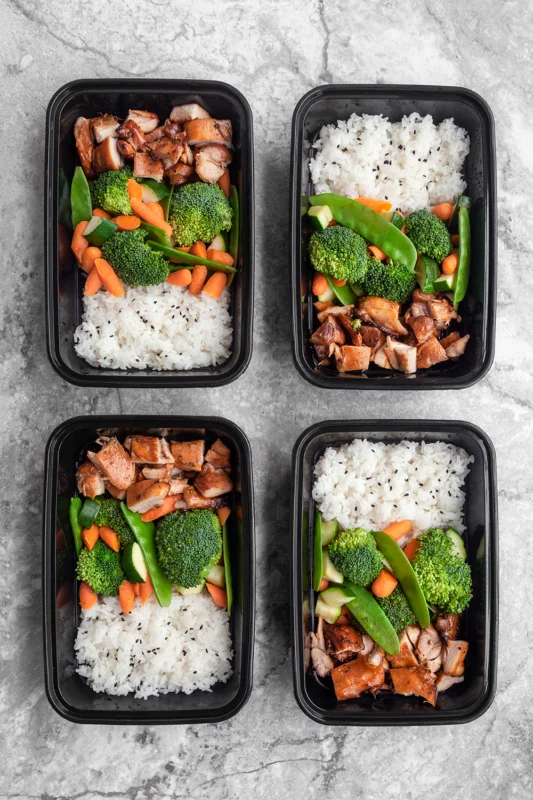
Meal prepping isn’t just about saving cash—it’s a powerful time-saver too. By dedicating an hour or two on the weekend to prepare components or full meals, you avoid the daily scramble of figuring out what to cook. John, a father of two, explained that having ready-to-go meals meant fewer last-minute grocery runs, less food waste, and more time to unwind in the evenings. This foresight translates directly into fewer impulse purchases and healthier portion control, which makes every dollar go further.
Planning Your Nutritious Dinners
Setting a Realistic Budget
Before diving into meal prepping, it’s essential to establish what “under $5 per dinner” means for your household. For a single person, five dollars can cover a filling meal, but for a family of four, the budget needs adjustment or creative portion stretching. Consider how many meals you’re prepping weekly and factor in any dietary needs. Realistic budgeting sets clear boundaries and helps avoid overspending. For example, Lisa found success by dividing her monthly food budget into weekly chunks and prioritizing dinners within this target.
Choosing High-Value Ingredients
The key to nutritious dinners on a budget lies in choosing ingredients that pack a punch for their cost. Affordable staples like beans, lentils, seasonal vegetables, frozen greens, and whole grains offer excellent nutrition without hefty price tags. Fresh produce can sometimes be expensive, so blending them with frozen or canned varieties can balance quality and cost. Take Marcus’s strategy: he buys bulk bags of brown rice and pairs them with budget veggies and canned tomatoes to create wholesome meals that satisfy both taste and nutrition.
Balancing Macros on a Budget
Even on a tight budget, it’s important to balance proteins, carbohydrates, and fats for well-rounded meals. Affordable protein sources include eggs, canned tuna, chickpeas, and peanut butter, which can be creatively combined with carbs like sweet potatoes or quinoa and healthy fats such as olive oil. Consider swapping expensive cuts of meat for plant-based proteins on some days. This approach not only keeps costs down but also promotes diversity in your diet.
Step 1: Creating a Weekly Meal Plan
Identifying Recipes that Fit the Budget
The foundation of successful meal prepping is having a clear plan. Start by gathering recipes that are known for their cost-effectiveness and nutrition. Websites and cookbooks specializing in budget meals offer many ideas—think vegetable stir-fries, hearty soups, or rice and beans with a twist. Jenna, a college student, shared how she compiled a list of ten recipes costing under $5 each and rotated them weekly to keep dinners interesting.
Incorporating Seasonal and Sale Items
Seasonal produce tends to be cheaper and fresher, making it a smart choice for your meal plan. Checking local flyers and store apps for sales can also reveal opportunities to snag discounts on proteins, grains, or even spices. For instance, when bell peppers were on sale last fall, David stocked up and used them in multiple dishes throughout the week. Being flexible allows you to swap ingredients and save significantly.
Step 2: Shopping Smart
Making an Efficient Grocery List
A well-crafted grocery list based on your meal plan eliminates impulse buys and ensures you only purchase what you need. Grouping items by store section speeds up shopping trips and reduces the temptation to wander into aisles filled with tempting but unnecessary items. Emily found that using a simple app to organize her list saved time and prevented her from forgetting key ingredients that would force costly last-minute trips.
Tips for Shopping Bulk and Discounts

Buying in bulk can be a game changer when meal prepping. Grains, beans, and frozen vegetables often come cheaper in larger quantities. However, it’s crucial to ensure you’ll use these items before they expire. Discount stores and clearance sections are also worth exploring; sometimes you’ll find near-expiry items priced to move that can be frozen or consumed quickly without waste. When Miguel started buying larger bags of oats and frozen mixed veggies, his meal prep costs dropped noticeably.
Step 3: Prepping Ingredients Effectively
Batch Cooking Basics
Batch cooking involves preparing large quantities of ingredients or meals at once so you can portion them out for multiple dinners. For example, cooking a big pot of chili or a tray of roasted vegetables over the weekend sets you up for quick assembly during busy weekdays. This method reduces repetitive cooking and washing dishes, which is especially helpful if you have a hectic schedule. Sarah finds that making a double batch of quinoa and grilled chicken on Sundays gives her ready components for at least three dinners.
Storage and Portioning Hacks
Proper storage is pivotal for maintaining freshness and preventing food waste. Using airtight containers or resealable bags helps preserve meals, and labeling them by date ensures you eat the oldest first. Portioning meals according to appetite also aids in controlling calories and minimizes leftover scraps. When Carlos divides his stew into single-serving containers, he simply reheats and avoids overindulging or throwing away extra food.
Step 4: Cooking Nutritious Dinners
Quick and Easy Recipes Under $5
Some of the most satisfying dinners don’t require complicated techniques or exotic ingredients. Consider dishes like vegetable stir-fry with tofu, lentil curry with rice, or baked sweet potatoes topped with black beans and salsa. These meals are naturally inexpensive, healthy, and quick to prepare. Tina shared that having a handful of such go-to recipes makes it easier for her to stay on budget without sacrificing flavor or nutrition.
Optimizing Flavor Without Extra Cost
Enhancing taste doesn’t have to involve costly spices or specialty sauces. Simple additions like garlic, onions, herbs from your windowsill, citrus zest, or a splash of vinegar can elevate a dish’s flavor profile significantly. Experimenting with different cooking methods—roasting, grilling, or slow cooking—also brings variety to your meals. Mark’s tip is to keep basic seasonings stocked and not shy away from blending flavors; this approach turns basic ingredients into memorable dinners.
Maintaining Your Meal Prep Routine
Adjusting for Variety and Preferences
Sticking to a routine is easier when your meals don’t become monotonous. Rotate your recipes every few weeks and introduce small tweaks, like swapping in different vegetables or trying new spice blends. Listening to your cravings and dietary needs helps keep the process enjoyable. For example, after two weeks of similar meals, Grace added a homemade veggie burger recipe that fits her budget but brought fresh excitement to dinner time.
Tracking Savings and Nutrition
Logging your expenses and nutritional intake can reinforce the value of meal prepping. Keeping a simple journal or spreadsheet to compare costs before and after starting your meal prep routine reveals tangible savings. Tracking meals’ nutritional content ensures you meet your health goals without overspending. When Ahmed reviewed his monthly food spending, he realized he saved nearly 30% and improved his nutrient intake by planning meals thoughtfully.