


Why At-Desk Self-Care Matters
The Impact of Work Stress on Skin and Mental Health
It’s no secret that work can bring its fair share of stress, and that stress doesn’t just affect your mood—it shows up on your skin and in your mind as well. Long hours sitting at a desk, staring at screens, and juggling tasks can lead to tension headaches, dull skin, and a feeling of mental fatigue. When stress levels rise, the body produces more cortisol, which can trigger skin issues like breakouts and dryness. Besides the physical effects, mental exhaustion can reduce your focus and overall happiness. Recognizing how deeply work stress intertwined with your well-being is the first step toward meaningful change.
Benefits of Incorporating Quick Self-Care Routines
Incorporating easy and effective self-care practices into your workday doesn’t have to be time-consuming or disruptive. In fact, taking just a few minutes throughout your day can act as a reset button for both your skin and your mind. These small rituals can boost circulation, hydrate your skin, and help you feel mentally refreshed, making the rest of your workday more productive and pleasant. Plus, consistent care can prevent longer-term skin problems and reduce tension-related discomfort, all while giving you a moment of calm amidst the busyness.
Easy Skin Refresh Techniques You Can Do at Your Desk
Hydrating Mist Sprays: DIY Recipes and Application
A quick spritz of a hydrating mist can do wonders to brighten up tired skin and provide a soothing break. You don’t need fancy products—simple DIY sprays made from ingredients like rose water, aloe vera juice, or green tea can keep your skin feeling fresh and calm irritation caused by dry office air. Just fill a small spray bottle and keep it near your desk. Whenever your skin feels tight or dull, a few gentle sprays can provide an instant pick-me-up. It’s a refreshing habit that feels indulgent but takes only seconds.
Gentle Facial Massage to Boost Circulation
Facial massage is an underrated way to improve skin vitality and release tension. Using clean fingertips, you can gently massage your forehead, cheeks, and jawline in small circles. This encourages increased blood flow, which can add a natural glow and reduce puffiness. Plus, the soothing touch helps relax muscles that often tighten during stressful moments. It’s a simple gesture with a big impact, and it requires no special tools—perfect for sneaking in between meetings.
Simple Facial Exercises to Reduce Tension
Just like the rest of your body, your face benefits from light exercise. Try raising your eyebrows wide, puffing out your cheeks, or softly smiling and holding the expression for a few seconds. These movements stretch and relax facial muscles, helping to ease the tension that accumulates from staring at screens or concentrating deeply. Over time, these exercises can also help maintain skin firmness, keeping you looking and feeling more refreshed.
Mental Rejuvenation Methods Without Leaving Your Workspace
Breathing Exercises to Calm the Mind
Sometimes, when the workload piles up and stress threatens to overwhelm, the simplest solution is to focus on your breath. Deep, mindful breathing exercises can clear mental clutter and reduce anxiety quickly. Try inhaling slowly through your nose for a count of four, holding for four, then exhaling gently through your mouth for four counts. Repeating this cycle a few times can create a soothing rhythm that signals your body to relax. This is an effective and discreet technique you can do anytime, even during a tight schedule.
Mini Meditation Sessions for Focus and Clarity

Meditation doesn’t have to mean sitting cross-legged on the floor for half an hour. Even short, guided meditation or mindfulness sessions of 3 to 5 minutes can sharpen your focus and restore mental clarity. Many apps and online resources offer brief meditations tailored for the workplace. Finding a quiet corner or simply closing your eyes at your desk can provide a peaceful pause, clearing away distractions and increasing your capacity to handle tasks calmly.
Stretching and Posture Adjustments to Release Physical Stress
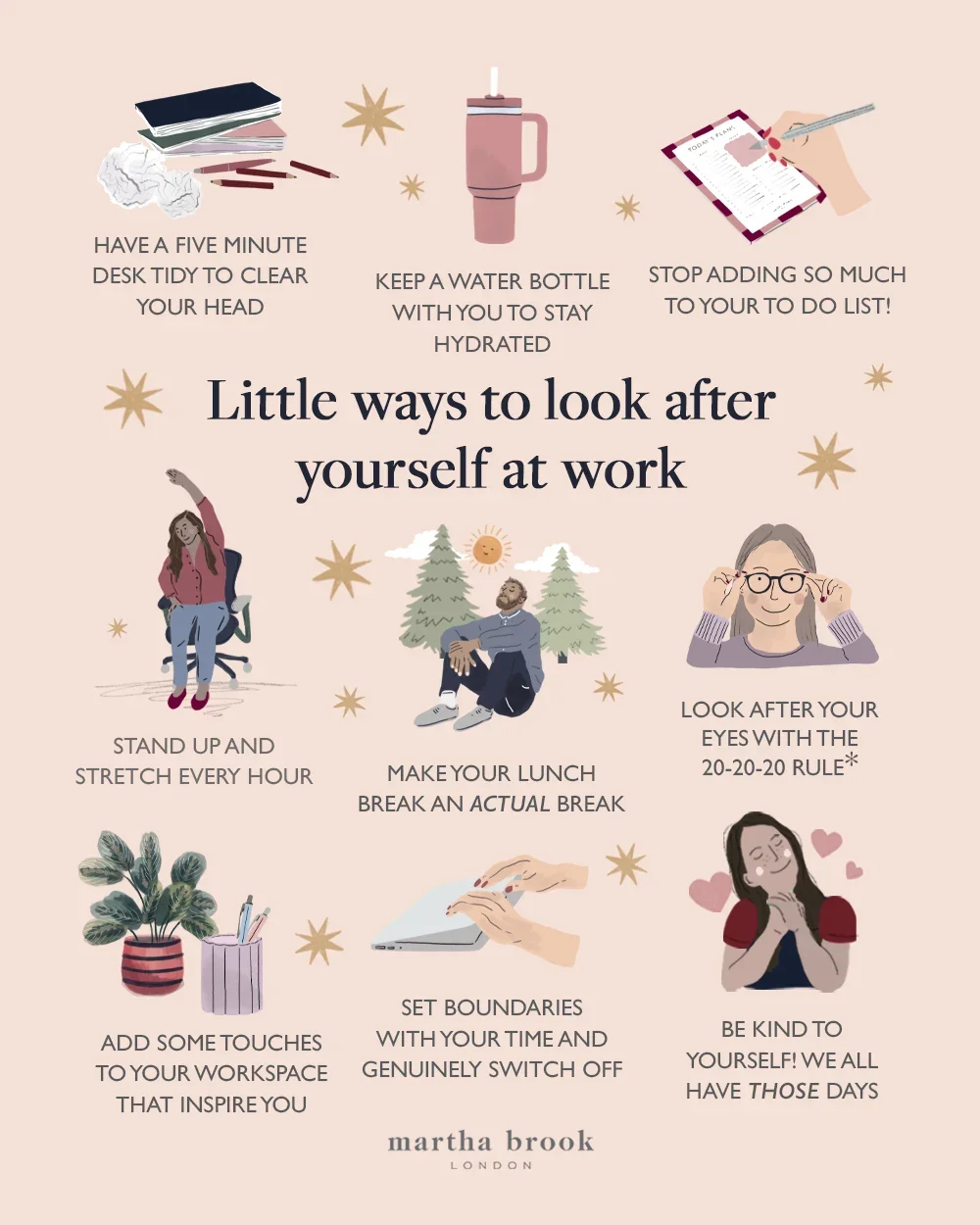
Sitting for long periods often leads to stiffness and discomfort, which inevitably impacts your mental state. Taking a moment for gentle stretches or posture adjustments can relieve physical tension and reinvigorate your entire body. Simple neck rolls, shoulder shrugs, or even standing and reaching up can loosen tight muscles and improve circulation. Making a habit of these movements not only supports physical health but also helps keep your mind alert and refreshed.
Incorporating Self-Care Into Your Daily Work Routine
Setting Reminders and Creating Rituals
One of the biggest challenges in maintaining self-care at work is remembering to make time for it. Setting gentle reminders on your phone or computer can be a helpful prompt to pause and care for yourself. Turning these moments into rituals—like misting your face before an afternoon meeting or practicing a short breathing exercise after completing a task—helps weave self-care naturally into your day. When these habits become part of your routine, they feel less like chores and more like welcome breaks.
Choosing the Right Products for Quick Application
When your time is limited, having effective products that absorb quickly and feel pleasant makes all the difference. Look for lightweight moisturizers, hydrating sprays, and calming balms that can refresh your skin without leaving residue. Multi-purpose products with soothing ingredients can save time and enhance your experience. Keeping these essentials within easy reach ensures you won’t skip your self-care moments simply because you don’t want to interrupt work flow.
Balancing Productivity and Wellbeing
Integrating self-care into your workday isn’t about sacrificing productivity; it’s about enhancing it. These small acts of kindness toward your skin and mind support better concentration, creativity, and stamina. When you listen to your body’s needs and give it moments of relief, you return to your tasks with renewed energy and a clearer perspective. Striking this balance is essential for long-term success and happiness in any demanding work environment.