


Introduction to Home Stretching for Beginners
Understanding Muscle Stiffness After Prolonged Sitting
Spending extended periods sitting can often lead to muscle stiffness, especially in areas like the lower back, hips, and shoulders. This stiffness arises because muscles remain in a shortened, static position for too long, which reduces blood flow and flexibility. Recognizing these effects is the first step to addressing discomfort and improving overall mobility.
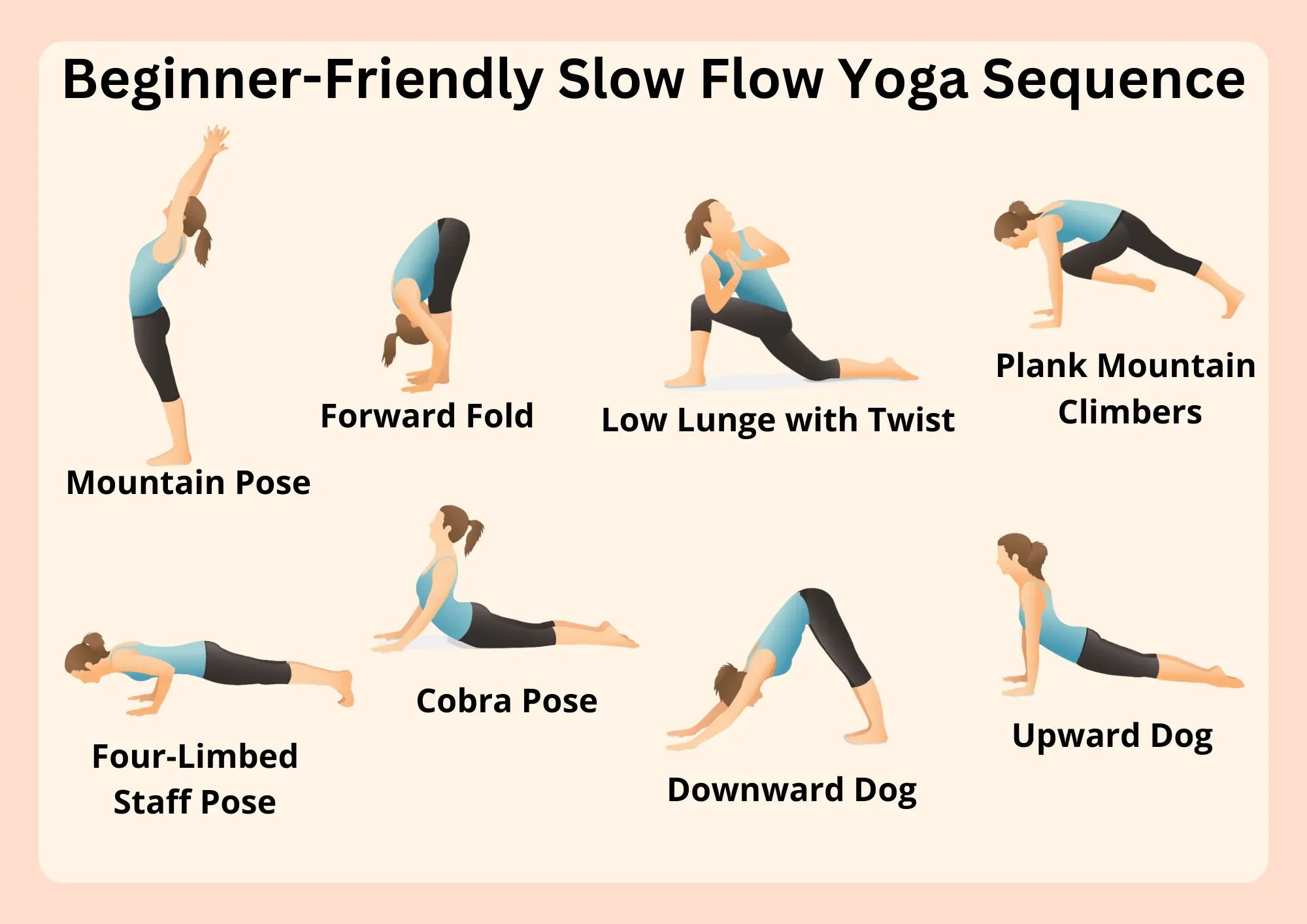
Benefits of Regular Stretching at Home
Incorporating stretching into your daily routine helps counteract the negative impacts of sitting. Stretching improves circulation, increases range of motion, and reduces muscle tension. Over time, regular practice can enhance posture, decrease the risk of injury, and promote a greater sense of physical well-being without needing a gym or specialized equipment.
Essential Guidelines Before Starting Stretching
Warm-Up Tips to Prepare Your Muscles
Before diving into stretching, it’s important to warm up your muscles to make them more pliable and reduce the risk of strain. Gentle movements like walking in place, shoulder rolls, or light arm swings can help increase blood flow. Aim for about 3 to 5 minutes of mild activity to prepare your body for effective stretching.
Proper Breathing Techniques During Stretches
Breathing plays a vital role in maximizing stretch benefits. Inhale deeply as you prepare to move into a stretch, and exhale slowly as you ease into the position. Holding steady, relaxed breaths helps reduce tension and allows muscles to lengthen naturally. Avoid holding your breath, which can increase muscle tightness and discomfort.
Simple Stretching Sequences for the Upper Body
Neck and Shoulder Loosening Exercises
To relieve upper body stiffness, start with gentle neck tilts and rolls to ease tightness. Follow with shoulder shrugs and circles to activate shoulder joints and surrounding muscles. These moves help counteract the forward head posture common after sitting at desks or using devices for long periods.
Wrist and Arm Mobility Stretches
Wrist and forearm flexibility often suffer from repetitive tasks and static positions. Simple wrist circles and finger stretches promote joint mobility and reduce tension. Stretching the arms overhead or across the chest can also help improve shoulder flexibility and decrease tightness in the upper limbs.
Lower Body Stretching Routine to Relieve Stiffness
Hip Flexor and Hamstring Openers
The hips and hamstrings are frequently affected by prolonged sitting. Performing lunges or seated hamstring stretches gently lengthens these muscles to restore mobility. Opening the hip flexors helps alleviate the compressed position created by sitting and supports better pelvic alignment.
Calf and Ankle Flexibility Stretches
Calves and ankles can become tight, leading to discomfort when standing or walking after sitting. Simple stretches like calf raises and ankle circles promote flexibility and circulation. Regular attention to these areas helps maintain lower limb function and prevents stiffness from accumulating.
Full Body Stretch Flow for Post-Sitting Relief
Combining Seated and Standing Stretches
A balanced routine mixes seated stretches, which are gentle and accessible, with standing movements that encourage greater engagement of core and leg muscles. Starting seated allows gradual loosening, while standing stretches enhance overall posture and balance. This combination ensures a comprehensive release of tension after long sitting sessions.
Creating a Daily Routine with These Movements
Consistency is key to preventing stiffness. Setting aside just 10 to 15 minutes daily for stretching can yield noticeable improvements. Integrate stretches at natural breaks during the day or after work to make it sustainable. Over time, this practice can reshape your body’s response to sitting and support long-term comfort.
When to Seek Professional Advice
Recognizing Pain vs. Normal Discomfort
While some mild tightness or pulling during stretching is normal, sharp or persistent pain signals that something is wrong. Differentiating between discomfort and pain helps prevent injury. If stretches cause intense soreness or do not improve stiffness, it’s important to pause and reassess.
Consulting a Physiotherapist for Personalized Plans
For ongoing stiffness or complex issues, a physiotherapist can provide tailored guidance. Professional assessment helps identify underlying causes and design specific exercises that suit your individual needs. Seeking expert advice ensures safe progression and maximizes the benefits of your stretching routine.