


Understanding Skin Redness and Texture Issues
Common Causes of Facial Redness
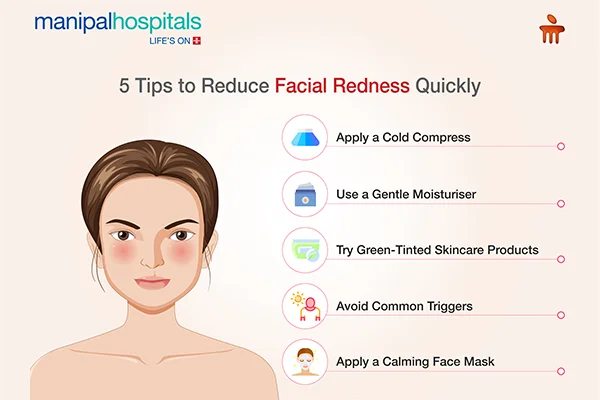
Facial redness can be frustrating, often making skin appear uneven and inflamed. The causes vary widely, including sensitive skin reactions, environmental factors like sun exposure, and underlying conditions such as rosacea or eczema. Overuse of harsh skincare products can also strip the skin’s natural barrier, leading to increased redness. Identifying the root cause is crucial because treating superficial symptoms without understanding the triggers often leads to recurring issues.
How Skin Texture Affects Appearance and Confidence
Uneven skin texture, characterized by rough patches, enlarged pores, or fine bumps, can significantly impact one’s appearance and self-esteem. The texture of your skin reflects its health and vitality; when it is compromised, even makeup might not sit well, highlighting imperfections instead of hiding them. Poor texture often signals deeper issues such as inadequate hydration, excessive exfoliation, or improper skincare routines. Addressing texture concerns not only improves your skin’s look but also boosts your confidence in social and professional settings.
Daily Skincare Routine for Redness Reduction
Choosing Gentle Cleansers Suitable for Sensitive Skin
Many people aggravate facial redness by using cleansers that are too harsh or drying. Aggressive cleansing can strip away essential oils that protect the skin, causing irritation and flare-ups. Switching to gentle, fragrance-free cleansers designed for sensitive skin helps maintain the skin’s natural barrier. These cleansers cleanse without causing tightness or stinging, setting a calm foundation for the rest of your skincare routine.
Effective Moisturizing Techniques to Soothe Irritation
Moisturizing is key to managing redness and improving texture. Dry, irritated skin tends to flare more easily, so consistent hydration with calming ingredients like ceramides, niacinamide, or aloe vera can soothe discomfort. Applying moisturizer while the skin is slightly damp locks in moisture and strengthens the skin barrier. Avoiding heavy or greasy formulations reduces the risk of clogged pores and further irritation, making hydration both comfortable and effective.
Importance of Sunscreen in Preventing Skin Redness
Sun exposure is a major contributor to redness and damaged skin texture, accelerating inflammation and sensitivity. Using a broad-spectrum sunscreen with at least SPF 30 daily guards against UVA and UVB rays, even on cloudy days. Sunscreen prevents redness from worsening and helps avoid long-term issues like pigmentation and premature aging. Incorporating it as the final step in your morning routine ensures ongoing protection and maintains skin resilience.
Natural Remedies You Can Try at Home
Anti-Inflammatory Ingredients from Your Kitchen
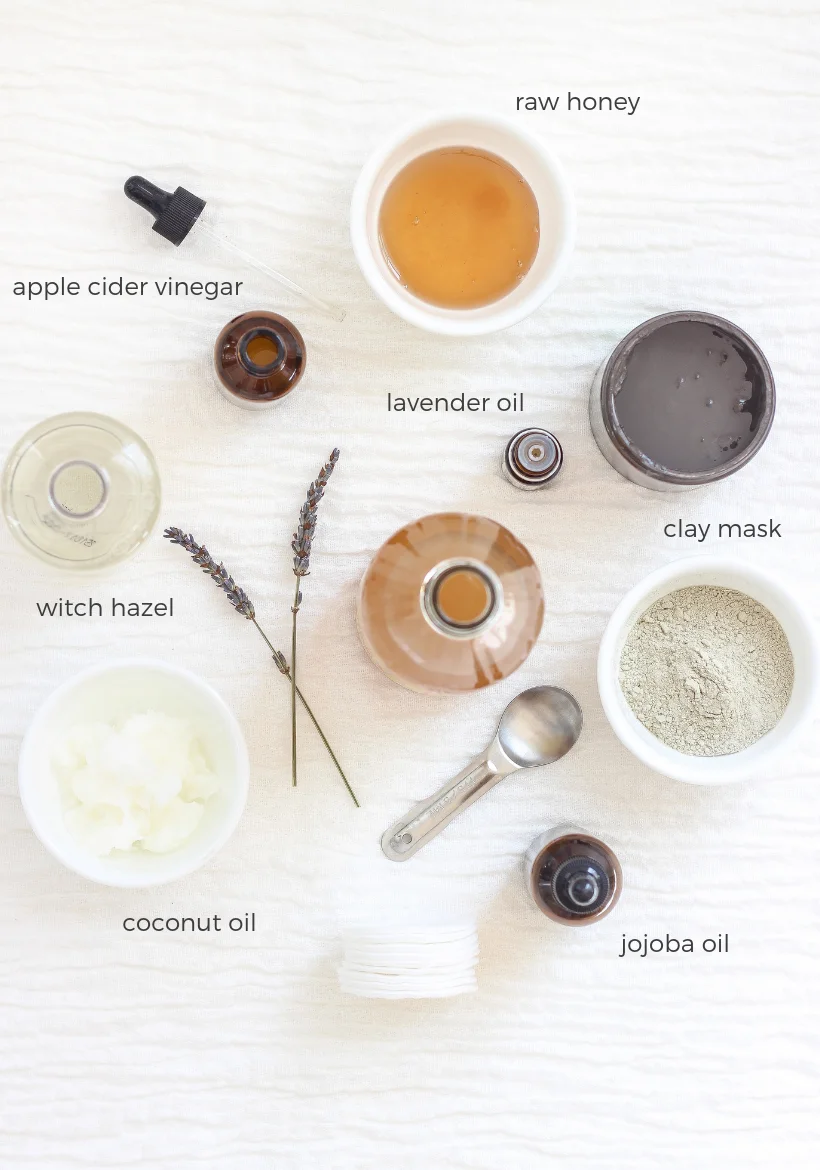
Many household ingredients can calm redness naturally. Ingredients such as green tea, honey, and oatmeal contain anti-inflammatory and antioxidant properties that help to reduce irritation. For example, applying cooled green tea bags to red areas can soothe the skin, while honey’s antibacterial benefits promote healing without causing dryness. Using these natural options can complement your regular skincare routine without introducing harsh chemicals.
Calming Face Masks to Improve Texture
Facial masks using simple, soothing ingredients offer a gentle way to improve skin texture and reduce redness. Masks made with aloe vera, yogurt, or cucumber can hydrate and calm the skin quickly. Regular use, about once or twice a week, helps maintain smoothness and reduces inflammation. Homemade masks allow you to avoid potential irritants found in some commercial products, providing a natural boost to your skin care regimen.
Habits to Incorporate for Long-Term Skin Health
Hydration and Diet Tips for Better Skin
Internal health heavily influences skin condition. Dehydration can cause dryness and accentuate redness, while certain foods may trigger inflammation. Drinking plenty of water throughout the day supports skin hydration from within. Incorporating anti-inflammatory foods rich in omega-3 fatty acids, antioxidants, and vitamins—such as leafy greens, berries, and fatty fish—helps improve skin texture and tone. Conversely, reducing intake of processed foods, excessive sugar, and alcohol can minimize flare-ups and promote clearer skin.
Stress Reduction and Its Impact on Skin Condition
Chronic stress disrupts hormone balance and weakens the skin’s barrier function, often leading to increased redness and breakouts. Managing stress through mindful practices like meditation, regular exercise, or adequate sleep can significantly improve skin health. When stress levels decrease, inflammatory responses subside, allowing the skin to heal and regain a smoother texture. Prioritizing mental wellness should be considered an essential part of any skincare plan.
When to Seek Professional Advice
Identifying Signs That Need Medical Attention
While many redness and texture issues respond well to at-home care, some signs indicate a need for professional assessment. Persistent redness, severe irritation, or sudden changes in skin appearance could signal underlying dermatologic conditions requiring treatment. If redness is accompanied by swelling, pain, or oozing, it’s essential to consult a dermatologist promptly. Ignoring these symptoms might worsen the condition or prolong discomfort.
Options for Dermatological Treatments to Complement Home Care
Dermatologists offer treatments that can accelerate improvement in redness and texture beyond what home remedies can achieve. Options like laser therapy, prescription topical creams, or chemical peels target inflammation and stimulate skin renewal safely. These treatments, combined with a consistent at-home routine, provide a comprehensive approach to managing sensitive, uneven skin. Professional guidance ensures that interventions are tailored to your specific needs and minimize the risk of adverse reactions.