


Introduction to Strength Training for Posture and Core Stability
When starting a fitness journey, focusing on posture and core stability is a smart move. These elements are foundational to overall health and can enhance the way you carry yourself every day. Strength training offers more than just muscle gains; it can teach your body to hold itself upright and move efficiently. For beginners, understanding how to target these areas is both practical and empowering.

Why Focus on Posture and Core Stability?
Good posture isn’t just about looking confident or standing tall—it plays a critical role in preventing aches and injuries. Poor posture can lead to muscle imbalances and strain, particularly in the back and neck. Core stability is equally important because the core muscles support your spine and pelvis, which affects balance and movement efficiency. Improving these areas can positively impact daily tasks, reduce fatigue, and support better athletic performance over time.
How Strength Training Helps Beginners
For those new to exercise, strength training might seem intimidating, but it actually offers clear benefits when approached correctly. Strength movements engage multiple muscle groups, especially the core, building a foundation that supports better posture. Starting with beginner-friendly exercises allows your body to adapt gradually while minimizing the risk of injury. Plus, strength training promotes body awareness, helping you recognize and correct poor posture habits throughout the day.
Top Beginner Strength Training Exercises
Bodyweight Movements to Start With
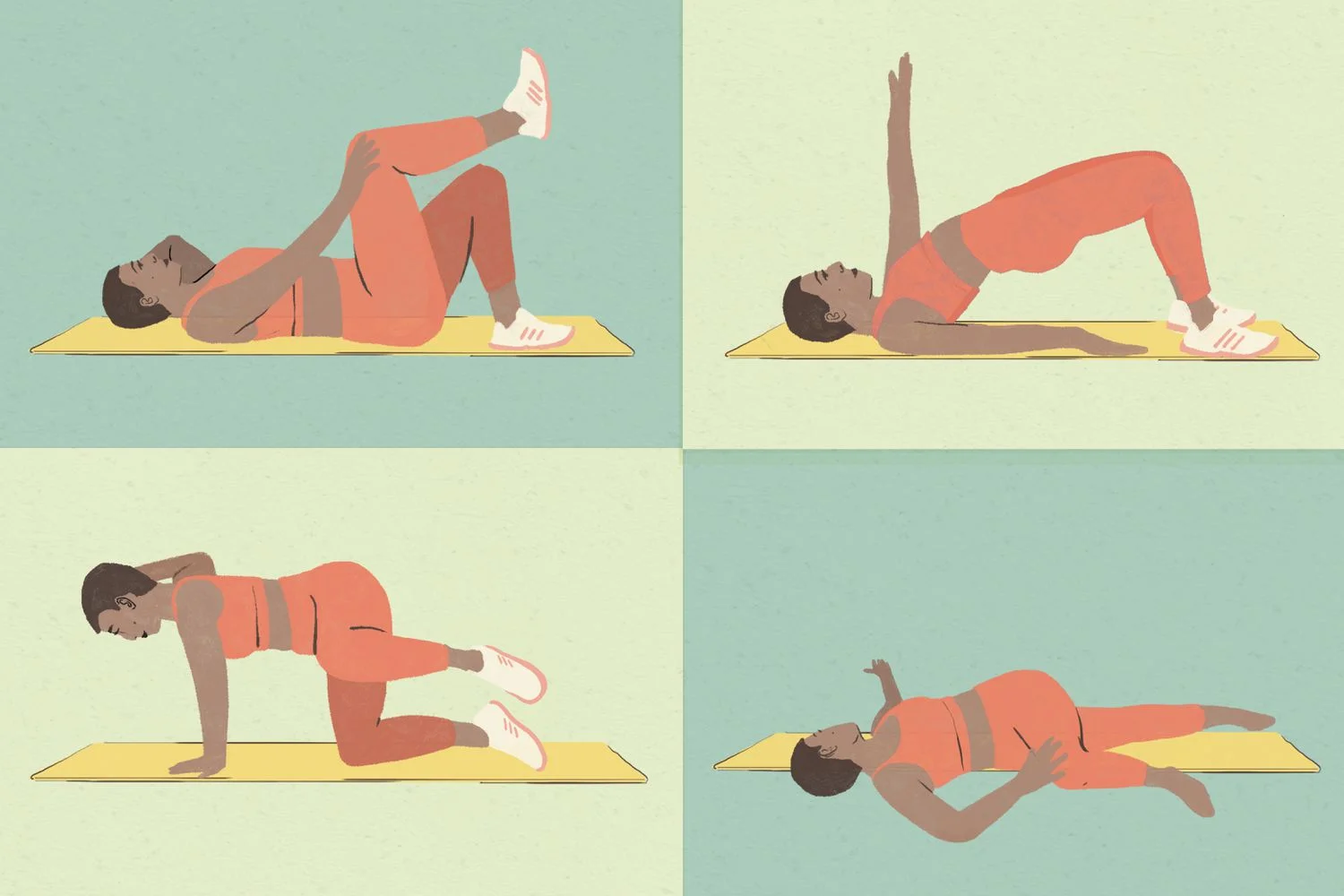
One of the best ways to begin is with bodyweight exercises that require no equipment. Movements like planks, bird-dogs, and bridges teach you how to stabilize your core and maintain posture without added resistance. These exercises encourage you to engage the right muscles and develop a mind-body connection, which is crucial for long-term progress. Because they use your own body weight, they’re gentle yet effective for building foundational strength.
Simple Dumbbell Exercises for Core Activation
Once comfortable with bodyweight moves, adding light dumbbells can increase the challenge and promote further muscle engagement. Exercises like dumbbell deadlifts or single-arm rows encourage core activation by forcing your torso to stabilize as you move. The added weight helps build muscle endurance, which supports better posture throughout the day. Beginners should focus on controlled movements and form rather than heavy lifting to get the most benefit safely.
Incorporating Resistance Bands for Stability
Resistance bands are another excellent tool for beginners aiming to improve posture and core stability. They provide steady tension that can be adjusted easily, making exercises like banded pull-aparts or standing rotations accessible and effective. These bands encourage muscles to fire continuously, helping deepen core engagement and spinal alignment. Plus, their portability means you can practice these exercises anywhere, supporting consistency.
Step-by-Step Guide: Performing Each Exercise Correctly
Common Mistakes to Avoid
Beginners often make some common errors when performing strength exercises. One of the most frequent is neglecting form in favor of quantity—trying to do more reps or use heavier weights too soon. This can lead to compensating with the wrong muscles or overstraining joints. Another pitfall is holding the breath or rushing through movements, which reduces effectiveness and may cause tension. Being patient and focused on proper alignment ensures safer, better results.
Breathing and Form Tips
Breathing plays a surprisingly important role in strength training. Aim to exhale during the exertion phase of each movement and inhale as you return to the starting position. This rhythm helps maintain intra-abdominal pressure, supporting the spine. Maintaining a neutral spine and engaging your core throughout each exercise is key. Visualizing drawing your belly button toward your spine can guide proper activation. Remember, controlled, deliberate movement beats speed every time.
Creating a Beginner-Friendly Workout Plan
Frequency and Progression Strategies
Consistency is the backbone of any fitness routine, especially for beginners working on posture and stability. Starting with two to three sessions per week allows your body to recover while building strength. Progression doesn’t have to be dramatic—small increases in repetitions, adding light resistance, or extending hold times can make a big difference over weeks. Listening to your body and allowing rest days helps avoid burnout or injury.
Combining Strength Training with Stretching and Mobility Work
Strength and flexibility go hand in hand. Incorporating gentle stretching and mobility exercises alongside your strength routine helps maintain joint health and muscle balance. Areas like the hips, chest, and shoulders often benefit from extra attention since tightness there can negatively affect posture. This balanced approach ensures you’re not just stronger but also more flexible and better able to move with ease.
Monitoring Your Progress and Staying Motivated
Tracking Improvements in Posture and Core Strength
It can be encouraging to see progress, especially when building new habits. Simple ways to monitor posture improvements include taking photos over time, checking alignment in the mirror, or noticing how your clothes fit differently. For core strength, you might observe increased endurance during planks or easier performance of daily activities. These small victories keep motivation high and reinforce the value of your efforts.
Setting Realistic Goals for Long-Term Success
Keeping goals achievable and specific makes the process rewarding. Instead of aiming for perfection overnight, focus on gradual improvements such as holding a plank for a few seconds longer or feeling less tension in your back after sitting. Celebrate these milestones—they mark real progress. Remember, strength training for posture and core stability is a lifelong investment. Patience and persistence open the door to lasting benefits.