


Understanding the Challenges of Remote Work
Blurred Boundaries Between Home and Office
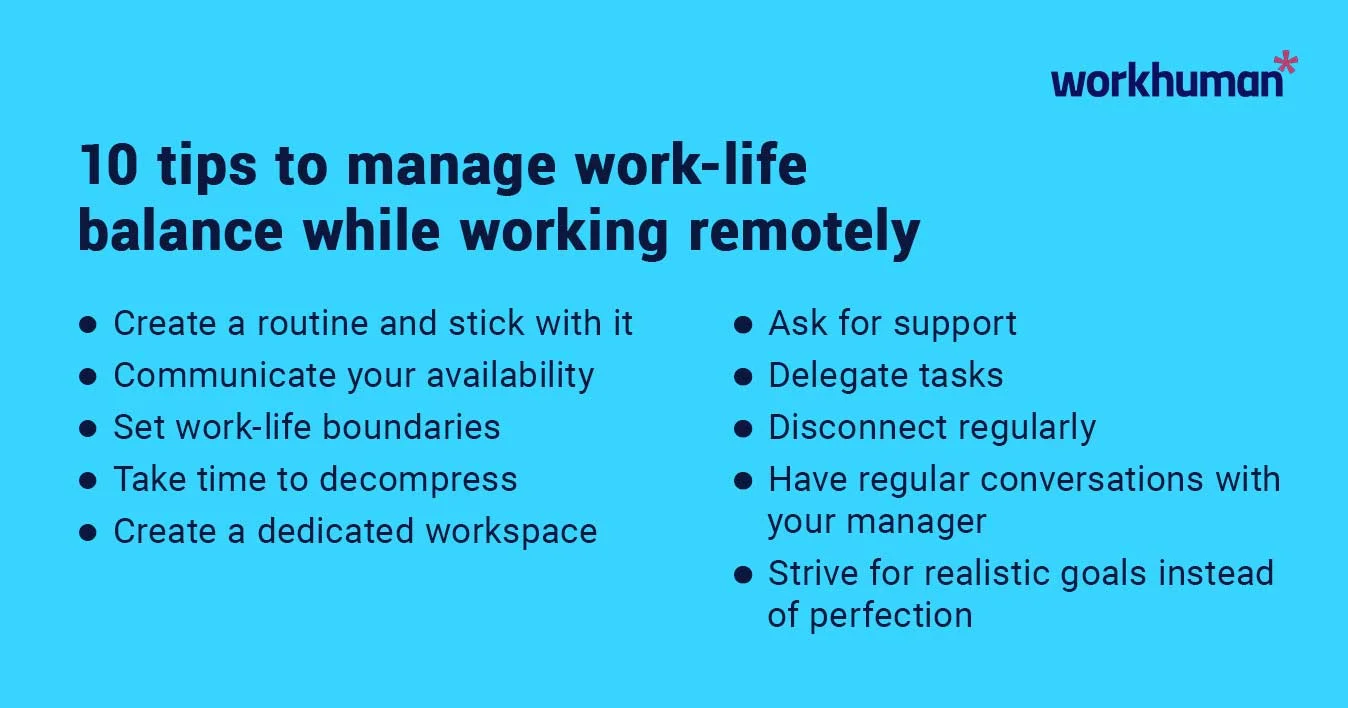
Remote work offers flexibility, but it also brings a significant challenge: the lines between professional duties and personal life often become indistinct. Without a physical commute or separate office space, the household environment can easily merge with work activities. This merging causes constant interruptions and makes it difficult for workers to mentally switch between their roles at home and their responsibilities at work.
Impact on Mental Health and Productivity
The lack of clear separation can lead to stress and burnout, as employees might feel they need to be “always on.” This state of constant engagement can reduce productivity due to mental fatigue and distractions. Furthermore, the inability to disconnect can disrupt work-life balance, causing anxiety and reducing overall satisfaction both personally and professionally.
Creating a Dedicated Workspace
Choosing the Right Location
A critical step in addressing blurred boundaries is selecting a specific area in the home solely for work. The problem arises when remote workers set up shop in multipurpose spaces like the living room or kitchen table, which do not support focused attention. Choosing a quiet, comfortable corner with minimal foot traffic helps establish a mental division between work and leisure.
Essentials for an Effective Home Office Setup
Once a location is chosen, it’s essential to equip it with items that promote productivity and comfort, such as an ergonomic chair, adequate lighting, and reliable technology. The absence of these elements can cause physical strain and reduce focus, making it harder to fully engage with work tasks. Investing in these essentials signals to the brain that this space is for professional activities only, reinforcing work boundaries.
Establishing Clear Work Hours
Setting Boundaries with Family and Roommates
One of the biggest hurdles in remote work is managing expectations at home. Without defined work hours, family members or roommates may unintentionally interrupt, assuming work is flexible all day. Clearly communicating your schedule to those around you helps prevent distractions and reinforces your commitment to your job while also respecting household dynamics.
Using Technology to Signal Work Mode
Technology can help enforce boundaries by signaling when you are in work mode. Simple tools like calendar blocks, status updates on communication platforms, and even using “do not disturb” modes on devices serve as cues to others, reducing the frequency of unexpected interruptions. When these signals are overlooked, it becomes easier for others to misinterpret your availability, causing workflow disruptions.
Implementing Rituals to Transition Into and Out of Work
Morning Routines to Boost Focus
Without a commute or physical separation, switching into work mode can be tricky. Morning rituals such as dressing professionally, having a specific breakfast, or a brief walk can mentally prepare remote workers for the day ahead. Skipping these rituals makes it harder to cultivate a productive mindset and can result in sluggish starts and decreased motivation.
Evening Routines to Disconnect
Just as important is the ritual that marks the end of the workday. This might include shutting down the computer, changing into comfortable clothing, or engaging in relaxing activities. These actions communicate to the brain that work has ended, helping to alleviate lingering stress and prevent work from spilling into personal time. Without this clear closure, remote workers often struggle to unwind.
Leveraging Productivity Tools to Stay Organized
Task Management Apps
Disorganization is a frequent pitfall for remote workers, who may feel overwhelmed by juggling multiple projects. Task management apps offer a solution by providing a centralized place to prioritize tasks and deadlines. Neglecting to use such tools can result in missed deadlines and increased stress, diminishing overall work quality.
Time Tracking and Break Reminders
Many remote workers either overwork or lose track of time. Time tracking applications address this by helping users monitor how long they spend on tasks and reminding them to take necessary breaks. Ignoring these reminders can lead to fatigue and decreased efficiency, so integrating these tools into daily routines encourages sustainable work habits.
Communicating Effectively in Remote Settings
Clear Expectations with Employers and Teams
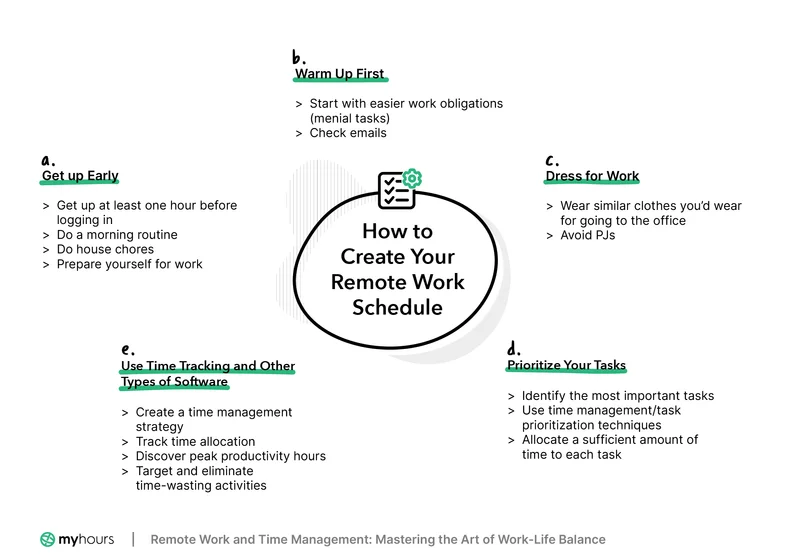
Remote work requires deliberate communication as informal office conversations are less frequent. A common problem is unclear expectations about availability, task progress, or deadlines, which can cause misunderstandings and frustration. Establishing clear communication guidelines with managers and colleagues ensures everyone stays aligned, fostering smoother collaboration.
Scheduling Regular Check-Ins
Without structured opportunities to connect, remote workers might feel isolated or out of the loop. Regular check-in meetings provide a platform to discuss progress, clarify doubts, and receive feedback. Neglecting this practice can hinder professional growth and weaken team cohesion, emphasizing the importance of consistent communication.
Maintaining Work-Life Balance Through Self-Care
Physical Activity and Movement Breaks
Sitting for long periods is a common problem among remote workers, contributing to physical discomfort and decreased energy. Incorporating physical activity and short movement breaks throughout the day counters these effects, promoting better health and mental alertness. Ignoring the need for movement can exacerbate stress and reduce productivity.
Mindfulness and Stress Management Techniques
Stress accumulates easily when the lines between work and personal life are unclear, potentially leading to burnout. Practicing mindfulness, meditation, or other stress relief techniques supports emotional well-being and helps remote workers maintain focus. Failing to address stress can reduce job satisfaction and overall performance, making self-care a necessary part of daily routines.