


Understanding the Connection Between Nutrition and Energy
The Science Behind Sustained Energy
Imagine starting your day feeling vibrant but halfway through a packed work schedule, your energy dips dramatically. This common experience traces back to how your body converts food into energy. The nutrients you consume break down into glucose, the primary fuel for your brain and muscles. However, the type and combination of these nutrients influence how steadily this glucose is released over time.
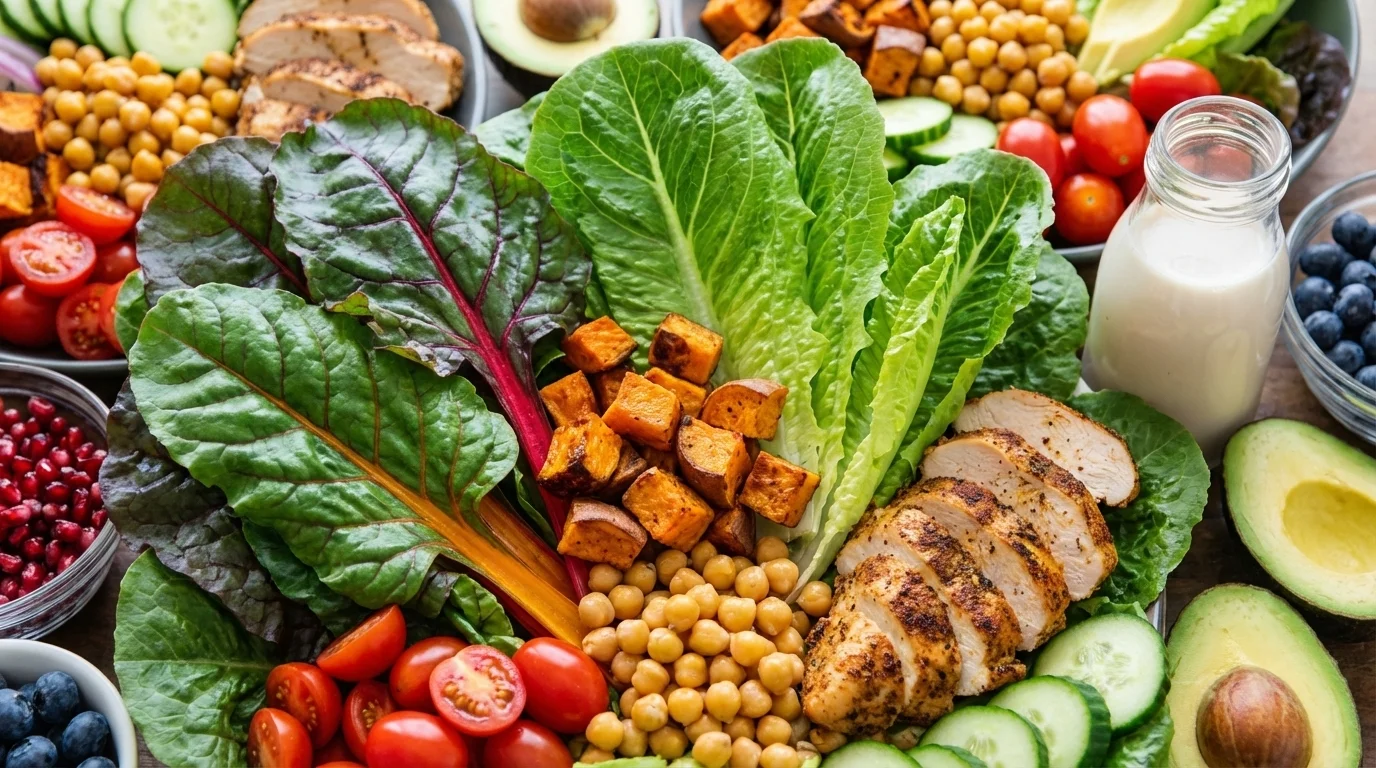
For example, simple sugars found in pastries might give you a quick rush but lead to a crash shortly after. In contrast, complex carbohydrates combined with proteins and healthy fats help maintain consistent blood sugar levels. This steady supply is crucial for staying alert and focused during demanding tasks.
How Meal Timing Impacts Productivity
Timing your meals effectively can be just as important as what you eat. Skipping breakfast often leads to midday sluggishness, while irregular lunch hours can disrupt your natural body rhythm. Professionals who schedule their meals at regular intervals—such as every 3 to 4 hours—often report better concentration and fewer energy slumps.
Consider a sales manager who notices an afternoon dip in performance. By shifting their lunch earlier and adding a mid-afternoon snack, they can sustain their energy levels through back-to-back meetings. This strategic timing supports the body’s circadian rhythm and keeps productivity on track.
Planning Your Meals for Optimal Energy
Key Nutrients to Include
When preparing meals, focusing on nutrients that fuel your body sustainably is essential. Proteins provide building blocks for cell repair and regulate hunger, while carbohydrates supply the primary energy source. Fiber-rich foods help with digestion and slow glucose absorption, preventing spikes and crashes. Don’t overlook healthy fats, such as those from avocados and nuts, which support brain health and prolong satiety.
For example, including quinoa, chicken breast, leafy greens, and a handful of almonds in a lunch box ensures a balanced mix of these nutrients, keeping energy stable until the next meal.
Balancing Macronutrients Throughout the Day
Instead of loading up on one macronutrient at a time, distributing carbohydrates, proteins, and fats evenly through meals can make a significant difference. An overly carb-heavy breakfast might cause a rise in energy followed by a crash, while a protein-focused meal can confer lasting fullness and alertness.
Sarah, a graphic designer, found that combining oatmeal (carbs) with Greek yogurt (protein) and flaxseeds (healthy fats) in her breakfast dramatically improved her morning focus. It’s about finding the right mix that suits your taste and schedule, supporting consistent energy without feeling weighed down.
Practical Meal Prep Strategies for Busy Professionals
Batch Cooking Techniques
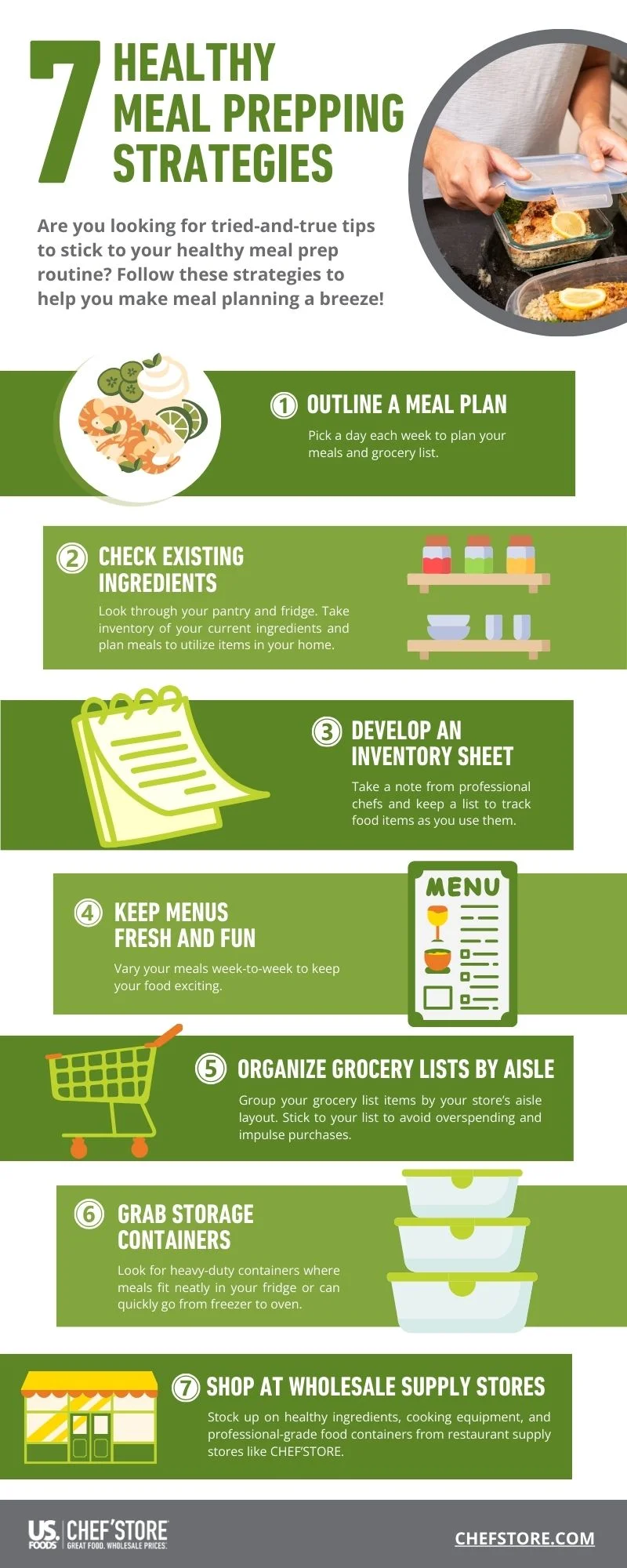
Batch cooking is a game-changer for those juggling tight schedules. Spending a couple of hours on weekends roasting vegetables, grilling lean meats, or cooking grains can save precious time on workdays. Portioning these meals in advance allows for quick reheating, reducing the temptation to grab unhealthy snacks when work piles up.
John, a marketing consultant, prepares baked salmon and steamed broccoli in bulk every Sunday. By portioning meals into containers, he ensures fresh, energizing lunches even during the busiest weeks.
Choosing Energy-Boosting Ingredients
Opting for ingredients rich in vitamins and minerals supports energy production at the cellular level. Leafy greens like spinach, berries packed with antioxidants, and legumes loaded with fiber are excellent staples. Including a variety of colors and textures in your meals not only boosts nutrition but keeps eating interesting.
Energy-boosting foods also include whole grains like brown rice and barley, which provide sustained energy, unlike white bread or rice, which digest quickly and can lead to fatigue.
Portion Control and Packaging Tips
Portion control is vital in keeping energy levels steady and preventing the sluggishness that often follows overeating. Using compartmentalized containers to separate proteins, carbs, and vegetables can help you maintain balance. Labeling meals with the day or meal type reduces guesswork and keeps your routine organized.
For example, using smaller containers for snacks like mixed nuts or cut fruit can curb mindless overeating and provide just the right boost when needed.
Breakfast, Lunch, and Snack Ideas to Keep You Energized
Quick and Nutritious Breakfast Options
Breakfast sets the tone for the entire day. For busy professionals, meals that combine protein, fiber, and healthy fats can be assembled in minutes. Overnight oats mixed with chia seeds, nuts, and a spoonful of natural peanut butter offer slow-releasing energy. Alternatively, a smoothie made with spinach, banana, protein powder, and almond milk is perfect for those on the go.
Kevin, an accountant, finds that taking five minutes to prepare a boiled egg and avocado toast keeps his mind sharp during early client meetings.
Lunch Recipes That Avoid Afternoon Slumps
Avoiding heavy, carb-laden lunches is key to preventing post-meal fatigue. Salads featuring mixed greens, grilled chicken, quinoa, and a drizzle of olive oil provide nutrients without weighing you down. Incorporating fermented foods like kimchi or yogurt can support digestion, enhancing nutrient absorption and energy.
Emily, a project manager, swaps her usual sandwich for a vibrant Buddha bowl filled with roasted sweet potatoes, chickpeas, and tahini sauce to maintain her afternoon productivity.
Healthy Snacks for Midday Power
Midday snacks are crucial for bridging the gap between meals and preventing energy dips. Instead of reaching for sugary bars, nuts, seeds, or sliced veggies paired with hummus provide fiber, protein, and healthy fats. These options keep blood sugar stable and cravings at bay.
Consider keeping a small stash of trail mix or apple slices with almond butter at your desk for an easy energy pick-me-up during hectic workdays.
Adjusting Meal Prep According to Work Schedule Variations
Handling Unpredictable Days
Some days, unexpected meetings or deadlines can throw off your meal timing. Preparing flexible snacks that can be eaten on the move helps in these situations. Portable options like hard-boiled eggs, energy balls, or pre-cut vegetables are lifesavers when you can’t sit down to eat.
Lisa, a consultant, keeps a small cooler with her essentials to manage unpredictable client visits without sacrificing nutrition or energy.
Meal Prep for Remote Work vs Office Days
Working remotely offers the convenience of kitchen access but can also blur meal boundaries. Preparing meals that can be enjoyed cold on office days but easily reheated at home helps maintain energy levels without additional stress.
For instance, a grain bowl assembled with roasted veggies and beans can be eaten chilled at the office or warmed up during a home lunch break. This adaptability prevents reliance on fast food or unhealthy snacks regardless of work location.
Elevating Your Energy Levels Beyond Meal Prep
Hydration’s Role in Sustained Energy
Often overlooked, staying hydrated is fundamental to maintaining energy. Dehydration can cause fatigue, headaches, and diminished focus. Drinking water consistently throughout the day, or including herbal teas and infused water, supports bodily functions and keeps you alert.
Mark, a software engineer, sets reminders to drink water every hour, noticing a marked improvement in concentration and stamina.
Incorporating Movement and Breaks During Work
Even the best meal plan can’t compensate for hours of sitting. Short, frequent breaks to stretch or take a brisk walk improve circulation and oxygen flow to the brain, reviving energy. Incorporating simple stretches at your desk or scheduling a quick midday walk can significantly boost productivity and mood.
Rachel, a content writer, uses a standing desk and commits to moving every 45 minutes, finding this combination synergizes well with her balanced meal plan for sustained energy throughout her workday.