


Why Choose Coconut Oil for Dry Hair?
The Benefits of Coconut Oil for Hair Health
Coconut oil is prized for its natural ability to hydrate and repair dry hair. Rich in fatty acids and vitamins, it helps restore moisture while strengthening hair strands. Regular use can reduce breakage and split ends, leaving hair smoother and shinier.
How Coconut Oil Penetrates and Nourishes Hair
Unlike many oils that only coat the surface, coconut oil penetrates the hair shaft deeply due to its low molecular weight and fatty acid composition. This allows it to nourish from within, improving elasticity and preventing protein loss, which is crucial for dry, brittle hair.
Essential Ingredients for Coconut Oil Hair Masks
Natural Additives to Boost Moisture
Adding natural ingredients like honey, aloe vera, or avocado can enhance the moisturizing effects of coconut oil. These components provide additional hydration and antioxidants, which help soothe the scalp and promote healthy hair growth.
Ingredients to Avoid When Creating Hair Masks
Avoid synthetic fragrances, sulfates, and alcohol-based products as they can strip moisture and irritate the scalp. Also, steer clear of heavy silicones that may build-up and weigh down dry hair, negating the benefits of the coconut oil mask.
Preparation: How to Choose and Prepare Your Coconut Oil
Types of Coconut Oil Suitable for Hair Masks
For hair masks, virgin or extra virgin coconut oil is ideal because it is minimally processed and retains beneficial nutrients. Refined coconut oil lacks some of these properties and may be less effective for deeply nourishing dry hair.
Melting and Measuring the Right Amount
Coconut oil solidifies at room temperature, so gently warm it until it turns liquid to make mixing easier. Use a modest amount—generally one to two tablespoons—depending on your hair length and thickness to avoid excess greasiness.
Step-by-Step Instructions for Mixing Your Hair Mask
Basic Coconut Oil Hair Mask Recipe
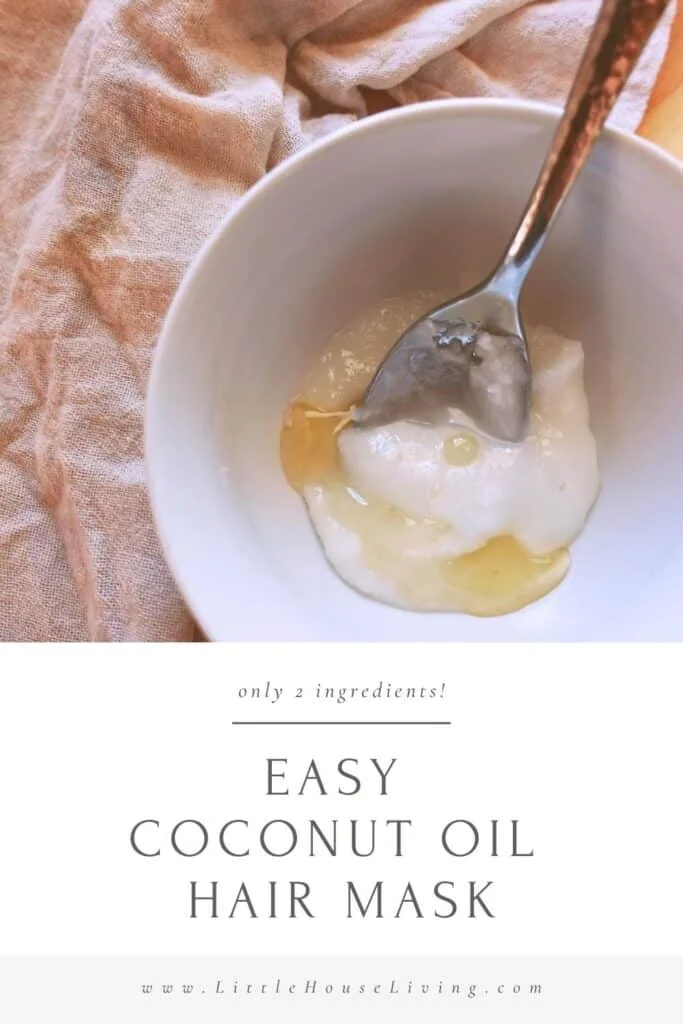
Begin by melting the coconut oil. Combine it with a tablespoon of honey for added moisture. Mix thoroughly until homogeneous. This simple blend is effective for restoring softness and shine in dry hair.
DIY Variations for Extra Hydration
For deeper hydration, add mashed avocado or aloe vera gel to the coconut oil base. These ingredients not only boost moisture but provide vital nutrients that support scalp health and hair strength, making your mask richer and more effective.
Application Techniques
How to Apply the Mask for Maximum Absorption
Apply the mask starting at the mid-lengths down to the ends, where dryness is often most severe. Use your fingers or a wide-tooth comb to distribute evenly. Massaging the scalp gently can stimulate circulation and improve absorption.
Recommended Timeframes for Leaving the Mask On
Leave the mask on for at least 30 minutes to allow deep conditioning. For intense treatment, you may extend the time up to two hours or even overnight, covering your hair with a shower cap to retain heat and enhance penetration.
Aftercare: Washing Out and Styling
Best Practices for Rinsing Coconut Oil Out
Rinse thoroughly using a gentle sulfate-free shampoo to remove residual oil without stripping moisture. Follow with conditioner if needed. Avoid hot water, as it can dry hair, opting for lukewarm or cool water to seal the cuticles.
Tips for Maintaining Moisturized Hair Post-Mask
To keep hair hydrated, avoid excessive heat styling and harsh chemical treatments. Use leave-in conditioners or lightweight serums to lock in moisture. Regular trims also help eliminate dry, damaged ends and maintain healthy hair appearance.
Troubleshooting Common Issues
What to Do If Your Hair Feels Greasy
If your hair feels oily after a mask, reduce the amount of coconut oil used or shorten the application time. Ensure you shampoo thoroughly to remove excess oil. Adjusting frequency to once a week or less can prevent buildup and maintain balance.
Adjusting Frequency Based on Hair Type
Dry and coarse hair may benefit from weekly treatments, while finer or oily hair types might find biweekly or monthly applications sufficient. Listening to your hair’s response will guide you in customizing the routine for optimal results.