


Understanding Work-Related Stress and Its Impact
What Causes Stress in the Workplace?
Imagine Sarah, a project manager juggling tight deadlines, demanding emails, and back-to-back meetings. The pressure to perform well, coupled with unclear expectations and limited breaks, creates a brewing storm of stress. Workplace stress often arises from high workloads, lack of control over tasks, interpersonal conflicts, and the constant hustle to meet goals. Even positive changes like promotions or new responsibilities can trigger stress when adjustments feel overwhelming.
Physical and Mental Effects of Prolonged Stress
John once ignored his persistent headaches and restless nights until his energy plummeted during an important presentation. Chronic stress doesn’t just chip away at mood; it can lead to physical symptoms like headaches, muscle tension, and digestive issues. Mentally, it may cause anxiety, difficulty concentrating, and irritability. Over time, untreated stress can sap motivation and resilience, making everyday challenges feel insurmountable.
Breathing Techniques: A Quick Antidote to Stress
Why Breathing Exercises Work for Stress Relief

During a hectic day, taking a moment to focus on your breath might sound too simple to be effective. But breathing techniques influence the autonomic nervous system, which controls your body’s stress response. By consciously slowing and regulating your breath, you send signals to your brain that it’s time to relax. This practical tool is always within reach, requiring no special equipment and can quickly restore calm even in a busy office.
How to Prepare for Your Breathing Practice
Before starting, find a quiet spot like an empty conference room or your parked car where you won’t be disturbed. Sit comfortably with your back straight but relaxed. If sitting isn’t an option, standing near a window or by your desk works too. Close your eyes if you feel comfortable—it can help minimize distractions. Wear loose clothing and allow yourself a few moments to settle in. Preparation sets the stage for maximum benefit from these few minutes of focused breathing.
Top 5 Breathing Exercises to Calm Your Mind in Under 10 Minutes
1. Box Breathing: Structure Your Breath
In high-pressure situations, Tim uses box breathing to regain composure before important calls. This method divides breathing into four equal parts: inhale, hold, exhale, and hold, each for about four seconds. The rhythmic pattern brings a sense of control and clarity, much like navigating a steady heartbeat through chaos. Even a couple of rounds can help recalibrate your mind when stress peaks.
2. 4-7-8 Breathing: Harnessing Relaxation
Emma practices 4-7-8 breathing right before leaving the office to unwind. Inhaling for four seconds, holding for seven, and exhaling gently for eight slows the heart rate and promotes relaxation. This technique taps into the parasympathetic nervous system, fostering a deep sense of calm. It’s especially useful when racing thoughts make it hard to switch off mentally during the day.
3. Diaphragmatic Breathing: Engage the Core
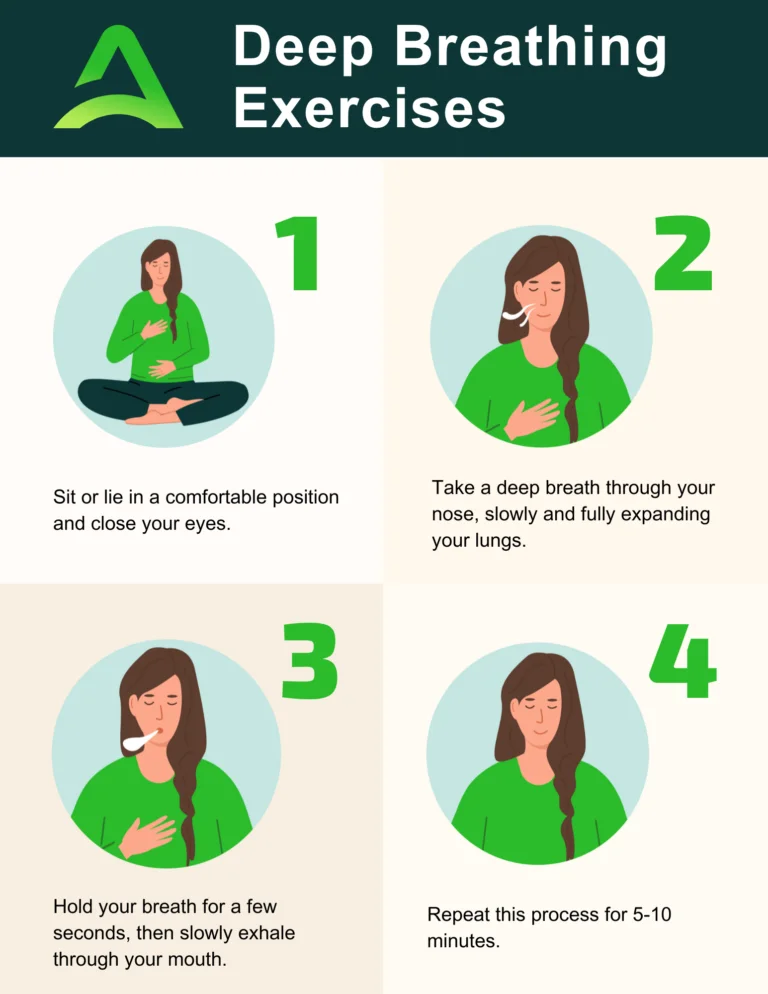
Daniel found that shallow chest breathing during meetings increased his anxiety. Switching to diaphragmatic breathing—deep breaths that expand the belly instead of the chest—helps him tap into a fuller oxygen supply and stabilize his nervous system. This grounded approach enhances focus and alleviates the tension that accumulates from shallow breathing patterns often caused by stress.
4. Alternate Nostril Breathing: Balance Your Energy
At times when overwhelming tasks leave Lisa feeling scattered, she quietly practices alternate nostril breathing. By closing one nostril and breathing through the other, then alternating, this technique harmonizes the body’s energy flow. It can balance mental alertness with tranquility, perfect for moments when you need centeredness without losing sharpness.
5. Resonant Breathing: Synchronize Heart and Mind
Mark uses resonant breathing during afternoon slumps. By breathing at a steady rate of about five to six breaths per minute, he synchronizes his heart rate and breathing pattern. This synchronization can enhance emotional regulation and reduce stress markers, helping him approach afternoon tasks with renewed calm and clarity.
Incorporating Breathing Exercises into Your Daily Work Routine
Best Times and Places to Practice at Work
Finding moments for breathing exercises at work can be challenging but rewarding. Short breaks after demanding meetings, before presentations, or during natural pauses in your schedule are ideal. Even at your desk, dedicating just five minutes to focused breathing can reset your mental state. Consider pairing these moments with routine activities like waiting for a file to load or during lunch breaks. This habit transforms ordinary intervals into powerful stress relief opportunities.
Combining Breathing with Mindfulness for Maximum Effect
Breathing exercises become even more effective when paired with mindfulness—the practice of paying non-judgmental attention to the present moment. For instance, while doing diaphragmatic breathing, you might focus on the sensation of the breath entering and leaving your body, noticing any tension and consciously releasing it. This simple mindful awareness anchors you in the now, preventing spirals of anxiety tied to past worries or future tasks.
Measuring the Benefits: What to Expect with Regular Practice
Short-Term Relief vs. Long-Term Stress Management
On her first day practicing box breathing, Ana immediately noticed a drop in her racing heartbeat and a clearer headspace. Regular dedication, however, brings even deeper benefits. Consistent practice can enhance your overall resilience, improve concentration, and foster emotional balance over time. While a quick breathing exercise calms you temporarily, integrating these techniques daily builds a robust defense against ongoing work stress, making challenges easier to face and recover from.