


Understanding the Challenges of Small Kitchen Spaces
Common Issues in Compact Kitchen Designs
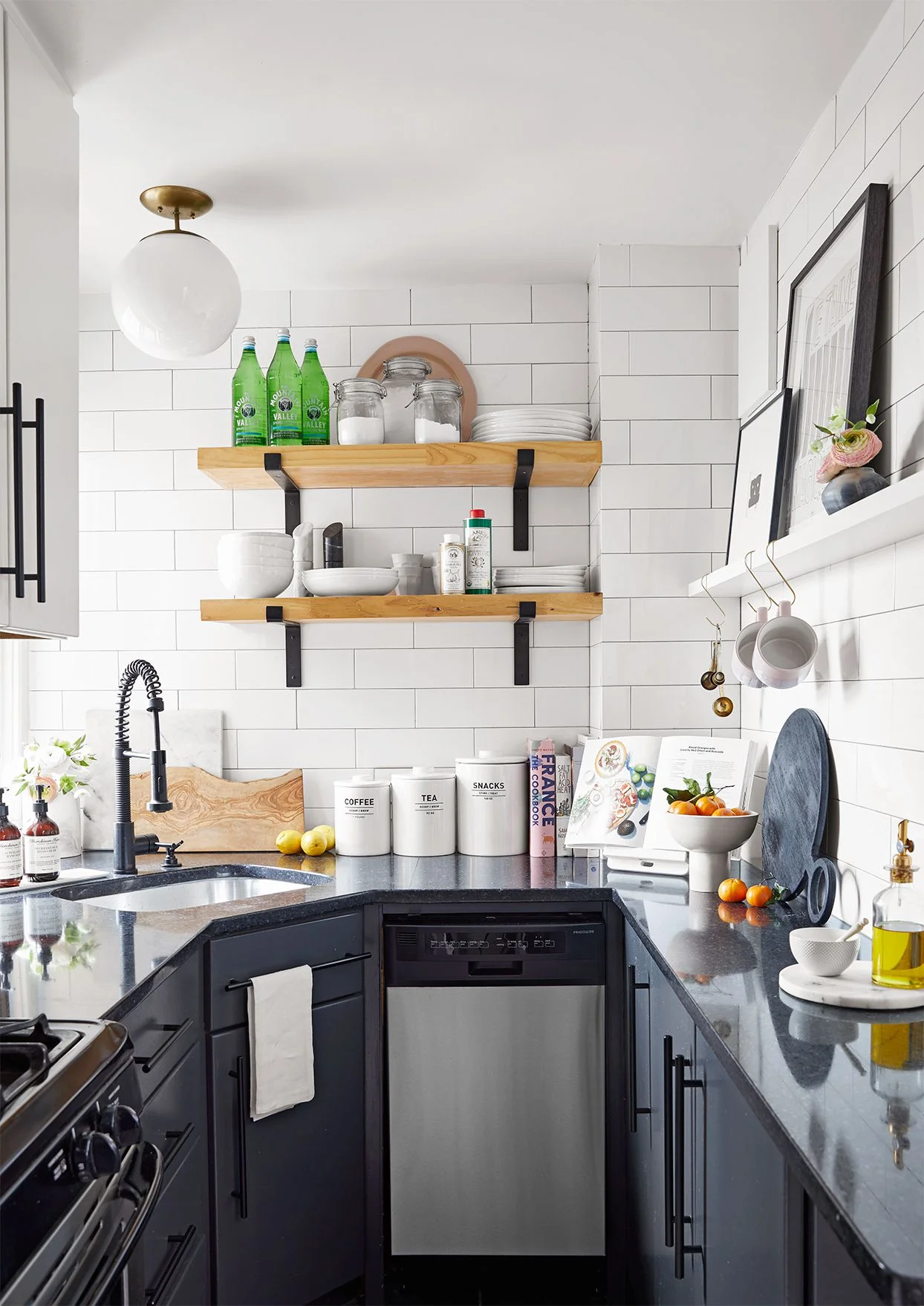
Small kitchens often present a unique set of challenges that can hinder both cooking and storage efficiency. Limited countertop area restricts the space available for meal preparation, while cramped storage options make it difficult to keep essential items organized. Additionally, tight layouts can cause awkward traffic patterns, leaving cooks feeling frustrated and cramped. These constraints can lead to clutter accumulation, making the kitchen appear even smaller and less functional over time.
Importance of Efficient Space Utilization
Maximizing every inch of a small kitchen is crucial because an inefficiently used space not only wastes potential but also diminishes the joy of cooking. When space is optimized, not only does it improve workflow, but it also enhances safety and convenience. Efficient use of space means fewer distractions, less clutter, and more room to enjoy preparing meals. In compact kitchens, thoughtful organization and design can make the difference between a stressful cooking experience and a pleasurable one.
Maximizing Cooking Efficiency in Tight Areas
Choosing Multi-Functional Appliances
One of the main problems in small kitchens is the lack of space to accommodate numerous appliances. The cause of this bottleneck typically stems from the desire to own specialized tools that only serve one purpose. To counter this, opting for multi-functional appliances can significantly streamline the cooking process. Devices such as a pressure cooker that doubles as a slow cooker or an oven with built-in air frying capabilities reduce the number of gadgets occupying valuable surfaces and storage compartments.
Optimizing Counter Space for Meal Preparation
Limited countertop space often becomes the primary obstacle during cooking, leading to disorganized work areas. This usually happens when counters are crowded with frequently used items or non-essential objects. A practical approach is to clear off counters entirely and use solutions like fold-down or pull-out countertop extensions that provide extra prep space only when needed. Additionally, using cutting boards that fit over sinks or stovetops can temporarily increase usable surface area without permanent fixtures.
Innovative Storage Solutions for Small Kitchens
Vertical Storage Ideas to Free Up Floor Space
Floor space scarcity in small kitchens makes storage a persistent challenge, often causing cluttered countertops and overcrowded drawers. The root cause is frequently neglecting to utilize vertical space effectively. Installing tall shelves, hook racks, and magnetic knife strips on walls or inside cabinet doors can free up substantial room. These vertical storage hacks organize items neatly and keep essentials within arm’s reach without encroaching on limited floor or counter space.
Smart Cabinet and Drawer Organizers
Standard cabinets and drawers can become chaotic quickly if not equipped with proper organizing tools. Overstuffed storage areas make finding items frustrating and waste valuable seconds during cooking. Implementing adjustable dividers, pull-out trays, or tiered shelves inside cabinets helps compartmentalize utensils, pots, and pantry goods. These organizers maximize capacity and improve accessibility, turning previously underutilized spaces into efficient storage hubs.
Decluttering Strategies to Maintain Order
Essential vs Non-Essential Kitchen Items
One major problem limiting kitchen organization is the accumulation of items that are rarely used or duplicated. This hoarding behavior typically results from sentimentality or uncertainty about what is truly necessary. To tackle this, regularly evaluating your kitchen inventory and distinguishing essential tools from non-essential clutter is vital. Keeping only frequently used and versatile items not only saves significant storage space but also simplifies meal preparation and cleanup.
Regular Maintenance and Organization Routines
Even the best-organized kitchens can quickly revert to chaos without consistent upkeep. The underlying cause is often a lack of routine maintenance, leading to gradual buildup of mess and disorganization. Establishing simple habits, such as daily tidying of counters, weekly pantry checks, and monthly deep organization sessions, ensures that the kitchen remains functional and inviting. These routines prevent clutter from accumulating and make it easier to maintain efficiency over time.
Design Tips to Visually Expand Small Kitchens
Color Schemes and Lighting Tricks
Small kitchens often feel confined, not just due to physical space but also because of how the area is visually perceived. Dark colors and poor lighting can exacerbate a cramped feel. Using light, neutral color palettes on walls and cabinetry reflects more light and opens up the space. Complementing this with layered lighting—such as under-cabinet lights and bright ceiling fixtures—eliminates shadows and enhances visibility, making the kitchen appear larger and more welcoming.
Use of Mirrors and Reflective Surfaces
Another overlooked method to create the illusion of spaciousness is incorporating mirrors or reflective surfaces in the kitchen design. This problem—feeling boxed in—stems from walls that absorb light and close off space visually. Mirrored backsplashes or glossy, reflective finishes on cabinets bounce light around the room, increasing depth perception. By strategically placing these elements, a small kitchen can feel more open, airy, and less restrictive without any structural changes.