


Why Budget-Friendly Outdoor Activities Are Essential for Kids
Physical and Mental Benefits of Outdoor Play
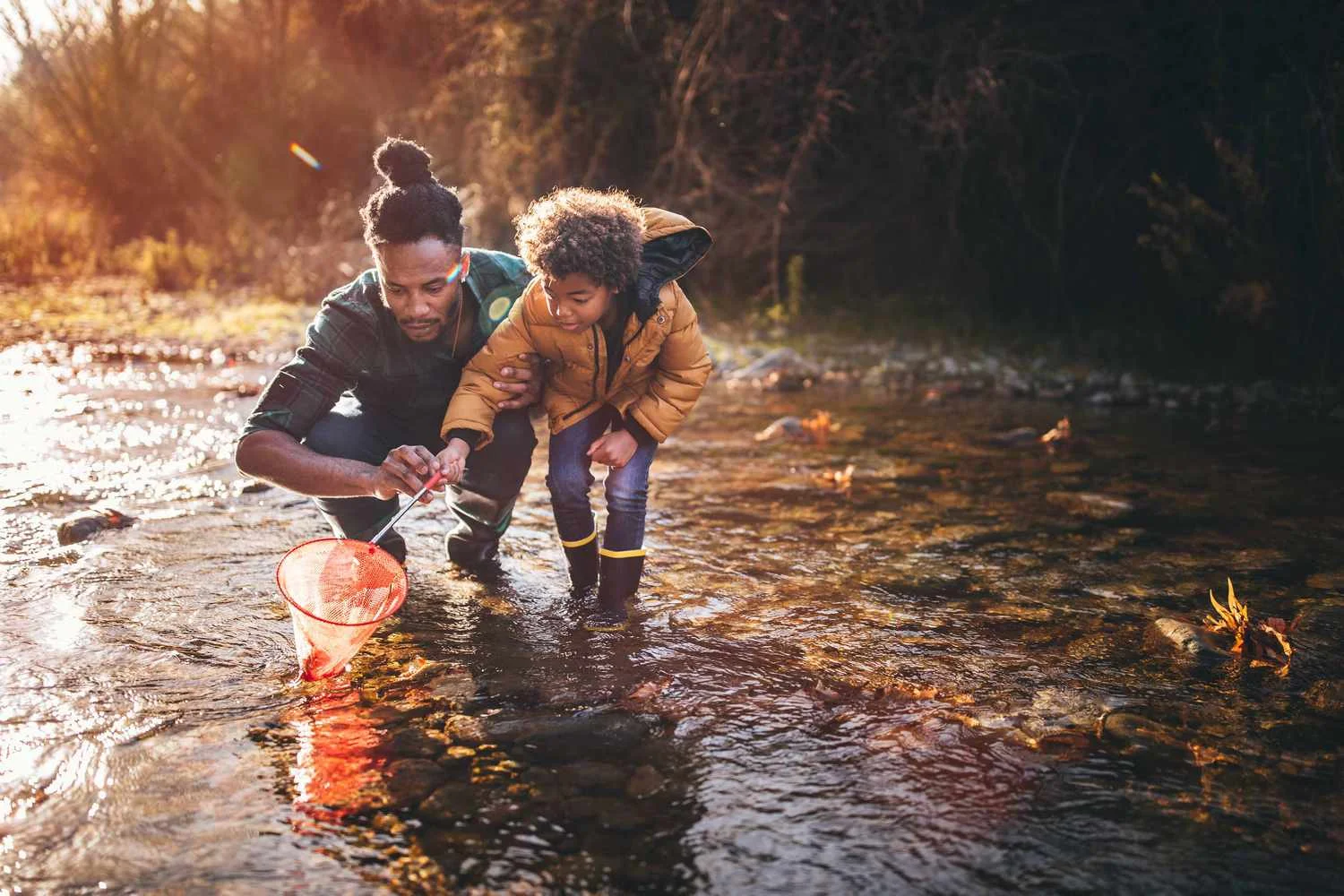
Many parents struggle with keeping their children active, especially during weekends when the temptation of screens and indoor amusements looms large. Ensuring kids engage in outdoor activities is crucial, as it directly impacts their physical health and mental well-being. Outdoor play encourages movement, which strengthens muscles, improves cardiovascular health, and helps maintain a healthy weight. Beyond fitness, spending time outside reduces stress levels, enhances mood, and boosts creativity. Nature’s unpredictability and sensory stimuli provide children with unique learning experiences that indoor environments cannot replicate.
Cost-Effective Ways to Promote Active Weekends
Despite these benefits, some families hesitate to plan outdoor activities due to the perceived high costs of organized sports or day trips. The truth is that many engaging, energetic activities require little to no investment. Local parks, backyards, and community spaces can be transformed into playgrounds with simple ideas. By focusing on creativity and resourcefulness, parents can offer enriching outdoor experiences that fit comfortably within any budget while keeping children motivated to stay active throughout the weekend.
Top 7 Budget-Friendly Outdoor Activities for Kids
Nature Scavenger Hunt
Young explorers often find joy in simple discovery. A nature scavenger hunt taps into this curiosity by prompting kids to find specific plants, rocks, or insects during a walk around the neighborhood or a local park. The activity requires only a printed or handwritten list and a keen eye. This form of play not only encourages physical movement but also sharpens observation skills. However, it’s important to prepare the list carefully to match the environment and age of the children to avoid frustration or boredom.
Backyard Obstacle Course
Transforming the backyard into a lively obstacle course can be an exhilarating way to get kids moving. Using household items like cones, ropes, and chairs, parents can design a course that tests agility, balance, and speed. This activity motivates children through friendly competition or timed challenges. It also allows continual adaptation, so the course grows with the child’s abilities. The main challenge lies in ensuring safety by avoiding hazards like slippery surfaces or unstable objects, which can be addressed with clear setups and supervision.
DIY Kite Flying
Kite flying is a timeless outdoor pastime that can be both educational and active. Building a kite together using affordable materials such as paper, sticks, and string helps children develop fine motor skills and an understanding of basic aerodynamics. Once built, a windy day becomes an exciting opportunity to run open fields or beaches while flying the kite. This activity requires patience and persistence, but the rewards include physical exercise and the satisfaction of creating something with one’s own hands.
Community Park Sports
Many neighborhood parks provide free access to sports facilities such as basketball courts, soccer fields, or tennis courts. Parents can organize casual games with friends and family, fostering social interaction and teamwork alongside physical activity. Participating in sports teaches discipline and resilience but can sometimes feel intimidating for beginners. Focusing on fun rather than competition helps alleviate this barrier and encourages consistent participation.
Bike Riding Adventures
Cycling is a superb way for kids to enjoy exercise while exploring their surroundings. Planning short, safe bike routes around the community can turn simple rides into mini-adventures. Investing in a properly fitting helmet and maintaining the bike are essential to prevent accidents. Encouraging regular, moderate rides builds endurance and coordination. Some families may worry about traffic or safety concerns, but choosing quiet streets or dedicated bike paths mitigates these risks effectively.
Picnic and Storytime Sessions
While eating outdoors may not seem vigorous, combining picnics with storytime or light games creates a balanced day of relaxation and activity. Visiting a local park allows children to run and play freely before or after meals. Storytelling sessions stimulate imagination and communication skills, enhancing mental activity alongside physical play. Parents should be mindful of food safety and hygiene when packing meals to avoid any setbacks.
Geocaching Basics for Beginners
Geocaching is an engaging outdoor treasure hunt using GPS technology available on smartphones. It promotes walking or hiking through different terrains while working as a modern adventure game. Beginners can start with easy caches nearby, making it accessible and affordable. The challenge of locating hidden containers appeals to children’s love of discovery. However, ensuring supervision and understanding of device usage is important to keep the experience safe and enjoyable.
How to Plan and Prepare for Outdoor Activities
Essential Gear Without Breaking the Bank
One common obstacle families face when planning outdoor activities is the cost of equipment and gear. Fortunately, many essentials can be sourced inexpensively or repurposed from items already at home. For example, sturdy shoes, water bottles, sunscreen, and hats are foundational for safe outdoor play. Affordable options can be found at discount stores or secondhand shops. Planning activities around what gear you have rather than what you don’t can open doors to more frequent and stress-free outings.
Creating a Safe Environment
Safety is paramount when encouraging children to be active and explore outdoors. Parents should familiarize themselves with the chosen location to identify potential hazards like uneven terrain, water bodies, or busy roads. Establishing clear boundaries and rules helps children understand limits while affording them freedom to play. Basic first aid knowledge and carrying a small kit can prepare families for minor injuries. Proper supervision tailored to the child’s age ensures both security and confidence during activities.
Engaging the Entire Family in Outdoor Fun
Group Games and Challenges
Including the whole family in weekend outdoor activities strengthens bonds and models healthy behavior. Games that accommodate multiple participants, such as relay races or cooperative puzzles, create opportunities for communication and shared accomplishment. When adults actively join in, children feel motivated and valued, increasing their enthusiasm for regular physical activity. It’s important to choose games that match the family’s fitness levels and interests to maintain enjoyment for everyone involved.
Building Healthy Outdoor Habits Together
Consistency is key to forming lifelong habits that prioritize physical health and nature appreciation. By scheduling regular outdoor time as a family routine, weekends become synonymous with fun and activity rather than inactivity. Parents can foster an attitude of exploration and well-being by celebrating successes and adapting activities to keep them fresh and exciting. Avoiding pressure and allowing flexibility ensures that children develop a positive relationship with outdoor play that extends well beyond childhood.