


Introduction to Mindfulness and Its Role in Stress Management
Imagine a busy office worker named Sarah who constantly feels overwhelmed by deadlines and never-ending emails. One day, she decides to try mindfulness exercises after reading about their ability to calm the mind. Mindfulness, simply put, is the practice of being present and fully engaged with whatever we’re doing at the moment without judgment. It has become a powerful tool for managing everyday stress and anxiety, helping people like Sarah reconnect with their inner calm despite external chaos.
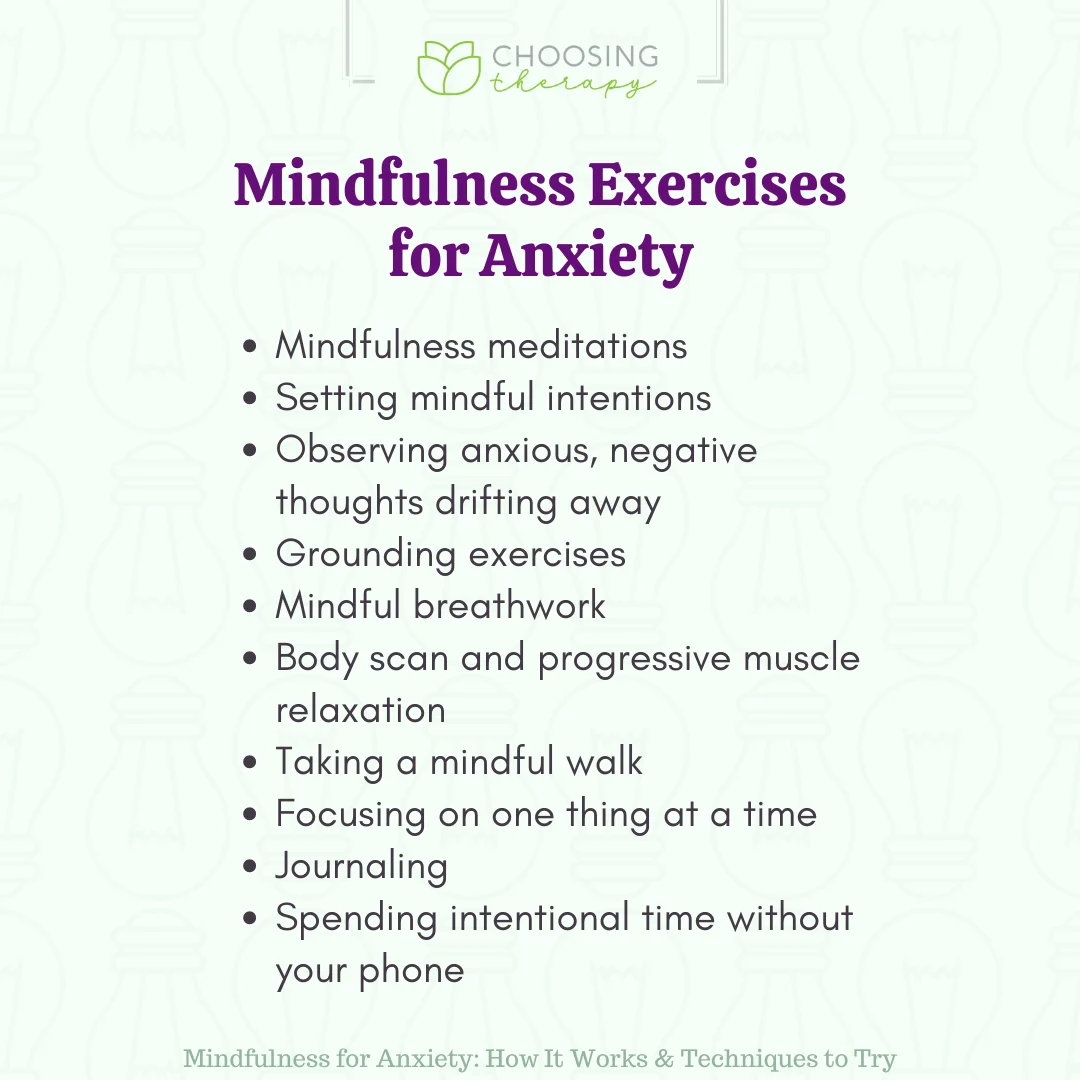
This guide walks you through mindfulness exercises step-by-step, demonstrating how even small moments of focused awareness can shift your mental state and reduce stress over time.
Understanding Daily Stress and Anxiety
Common Triggers and Symptoms
Consider John, a college student, who feels anxious every time exams approach. For him, frequent triggers include tight schedules, social pressure, and uncertainty about the future. Daily stress and anxiety often manifest through symptoms such as rapid heartbeat, restless thoughts, irritability, and trouble sleeping. These reactions are natural but can interfere with daily functioning if not addressed.
How Mindfulness Targets Anxiety
Mindfulness offers a different response to these triggers by encouraging observation without immediate reaction. Instead of spiraling into worry, mindfulness invites you to notice anxious feelings as temporary and separate from yourself. For example, when John starts feeling anxious, focusing on his breath or body sensations helps him regain control over his reactions, making anxiety feel less overwhelming and more manageable.
Preparing for Mindfulness Practice
Creating a Calm Environment
Before starting, it’s helpful to find a quiet and comfortable space, much like Emma does in her small apartment. She dims the lights, closes the window to muffle street noise, and sits on a cushion. This environment minimizes distractions and signals the brain that it’s time to focus inwardly. Even a few minutes in a corner of your room can set the stage for effective practice.
Setting Realistic Expectations
It’s common to expect immediate relief or deep relaxation from the start, but mindfulness is a gradual skill to develop. Lucas, a software engineer, initially felt frustrated when his mind wandered during meditation. Over time, he learned that wandering thoughts are part of the process, and gently returning attention without judgment is the goal. Keeping expectations realistic ensures patience and persistence.
Step 1: Breathing Techniques to Center the Mind
Guided Deep Breathing Exercises
Start by sitting comfortably and taking slow, deep breaths. Picture Anna at her desk: she inhales slowly through the nose for a count of four, holds her breath briefly, and exhales gently through the mouth. This controlled breathing activates the body’s relaxation response, lowering heart rate and easing tension. Such deliberate breathing anchors you in the present moment.
Counting Breath for Focus
To enhance focus, try counting each breath cycle silently up to ten and then starting over. This method, used by Michael during stressful meetings, prevents the mind from drifting. If your count breaks, simply start again without frustration. Counting anchors your attention and discourages racing thoughts, making it easier to manage stress.
Step 2: Body Scan Meditation to Release Tension
Technique Breakdown
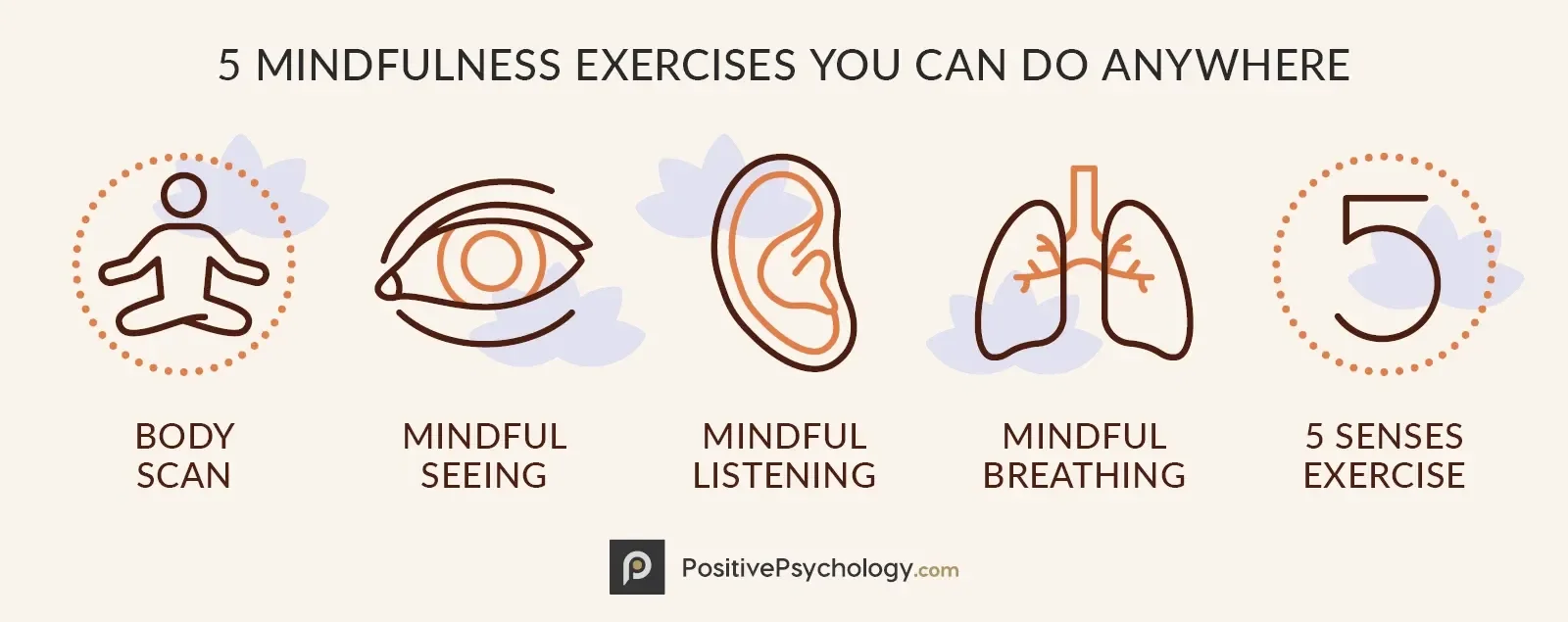
This exercise involves slowly shifting your attention through various parts of your body. Imagine Sophie lying comfortably on her bed after a long day. She starts by noticing sensations in her toes, then calves, knees, and upwards to the head. The goal is to observe physical sensations without judgment—whether tightness, warmth, or numbness—that might reveal underlying stress holding in the body.
Tips for Staying Present
It’s natural for the mind to wander during a body scan. When that happens, gently bring attention back to the spot you last focused on. Some find it helpful to slightly tense and then relax muscles to deepen awareness. Consistency with this practice helps Sophie’s mind settle into a calm state, reducing the subtle tension often unnoticed during the day.
Step 3: Mindful Walking to Enhance Awareness
How to Practice Mindful Movement
Mindful walking connects movement with awareness. Picture David, who takes a 10-minute walk around his neighborhood after work. Instead of rushing or checking his phone, he pays attention to the feeling of his feet touching the ground, the rhythm of his steps, and the sensations of the breeze. This focus draws his mind away from stress, grounding it in physical experience.
Integrating Mindfulness into Daily Walks
Even brief moments of mindful walking while going to the mailbox or moving between rooms can be beneficial. Try to notice the texture of the ground, the sounds around you, or the temperature on your skin. Over time, these small pauses build a habit of present-moment awareness that counters anxiety’s pull.
Utilizing Mindful Journaling to Process Emotions
Prompts to Explore Stress and Anxiety
Journaling can complement mindfulness by allowing you to process thoughts and emotions in writing. Consider Sarah’s evening routine where she jots down reflections prompted by questions like: “What emotions did I notice today?” or “What did I find challenging and how did I respond?” Writing encourages clarity and self-compassion, helping make sense of feelings without judgment.
Creating a Sustainable Mindfulness Routine
Consistency Over Perfection
It’s important to focus on regular practice rather than perfection. James, a busy father, sets aside five minutes each morning for mindfulness instead of aiming for long sessions he couldn’t sustain. Small, consistent efforts gradually build resilience and reduce daily stress, even during hectic schedules.
Adapting Exercises to Personal Needs
Mindfulness is flexible. If sitting meditation feels uncomfortable, try walking or journaling. Emma sometimes substitutes body scans with gentle yoga stretches. Adapting the practice to your preferences keeps it enjoyable and sustainable, ensuring it becomes a natural part of your life rather than a chore.
Advanced Mindfulness Practices for Ongoing Stress Relief
Incorporating Visualization and Affirmations
Once comfortable with basic techniques, some find benefit in visualization—imagining a peaceful place or successful outcome—to deepen relaxation. Paired with positive affirmations, this can build mental strength. For example, David mentally pictures a calm lake when anxious and silently repeats reassuring phrases to maintain calm.
Using Technology to Support Practice
Apps and audio guides offer structured mindfulness sessions that can motivate and guide practice, especially for beginners. They provide variety and can fit into busy routines, much like Michael uses on his commute. However, balance tech use with offline moments to maintain authenticity in mindfulness.
By taking these practical steps, mindfulness moves from abstract concept to a valuable daily habit that helps manage stress and anxiety naturally, making life’s demands feel more manageable and clear.