


Understanding Mold in Basements
Causes of Mold Growth on Basement Walls
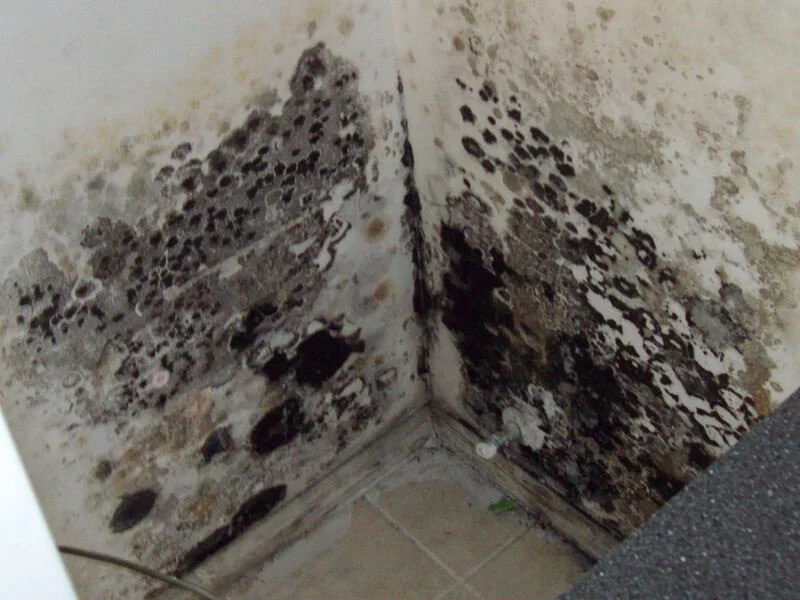
Mold thrives in moist, dark environments—conditions commonly found in basements. Water seepage through cracks, high humidity, and poor ventilation all contribute to mold growth on basement walls. Leaking pipes or foundation issues can worsen moisture levels, creating an ideal breeding ground for mold spores.
Health Risks Associated with Basement Mold
Mold exposure can cause allergic reactions, respiratory problems, and skin irritation. People with asthma, allergies, or weakened immune systems are particularly vulnerable. Prolonged exposure may lead to chronic health issues, making prompt removal critical for maintaining a safe living environment.
Preparation Steps Before Mold Removal
Essential Safety Gear and Precautions
Before addressing mold, protect yourself with appropriate gear. Use gloves, safety goggles, and an N95 mask to prevent inhaling spores. Ensure the area is well-ventilated by opening windows or setting up fans. If the mold covers a large area or if you have health concerns, consider professional help.
Assessing the Extent of Mold Infestation
Inspect basement walls carefully to determine mold coverage. Small patches can often be handled with household solutions, but widespread infestations may indicate deeper structural problems. Check adjoining areas for hidden mold and moisture sources to tackle the problem thoroughly.
Top Methods for Safe Mold Removal
Using Natural Cleaners: Vinegar and Baking Soda
Vinegar is a mild acid capable of killing many types of mold. Spray undiluted white vinegar on affected walls, leave it for an hour, then wipe clean. Baking soda, combined with water, can scrub surfaces and absorb moisture, helping prevent mold’s return. These natural cleaners are safe for small areas and reduce chemical exposure.
Commercial Mold Removal Products: Pros and Cons
Specialized mold removers can be effective, especially on stubborn stains. They often contain stronger chemicals such as bleach or fungicides. While these products may provide quick results, improper use can damage surfaces or pose health risks. Always follow manufacturer instructions and use in well-ventilated spaces.
Applying an Anti-Microbial Solution
After cleaning, an anti-microbial treatment inhibits mold regrowth. These solutions create a protective barrier on basement walls, extending the period before mold reappears. Choose products labeled safe for indoor use and ensure surfaces are dry prior to application.
Advanced Techniques for Stubborn Mold
Dry Ice Blasting
Dry ice blasting is a non-toxic, abrasive cleaning method that removes mold embedded in surfaces without water. It effectively cleans porous basement walls but requires specialized equipment and expertise. This technique is ideal for persistent mold outbreaks where conventional methods fail.
Application of Mold-Resistant Paints
Mold-resistant paints contain antimicrobial agents that prevent spore growth on treated surfaces. Applying these paints after thorough cleaning provides a long-term defense against mold. They work best in combination with moisture control measures to maintain a dry basement environment.
Post-Removal Care and Prevention
Improving Basement Ventilation
Good airflow reduces humidity, limiting mold-friendly conditions. Installing vents, exhaust fans, or dehumidifiers can significantly improve air quality. Regularly opening windows or doors when weather permits also helps keep the basement dry and mold-free.
Waterproofing Walls to Prevent Future Mold
Sealing cracks and applying waterproof coatings protect basement walls from water intrusion. Consider exterior drainage improvements or interior sealants to address moisture sources. Waterproofing is a critical step to prevent mold from recurring after cleanup.
Regular Inspection and Maintenance
Frequent checks for moisture and mold signs allow early intervention. Maintain gutters and downspouts to direct water away from foundations. Address leaks promptly and keep humidity levels below 60%. Consistent upkeep ensures a safe, mold-free basement environment.