


Understanding the Need for Toy Storage Solutions
Common Challenges in Organizing Kids’ Toys
Anyone who’s lived with children knows the struggle of keeping toys under control. Toys come in all shapes and sizes — from tiny building blocks scattered across the floor to plush animals sprawled out on couches and beds. The sheer volume and variety can quickly turn a neatly kept room into a chaotic mess. Without an effective storage method, toys end up everywhere, making tidying up a dreaded task for both parents and kids.
Impact of Clutter on Children’s Play and Safety
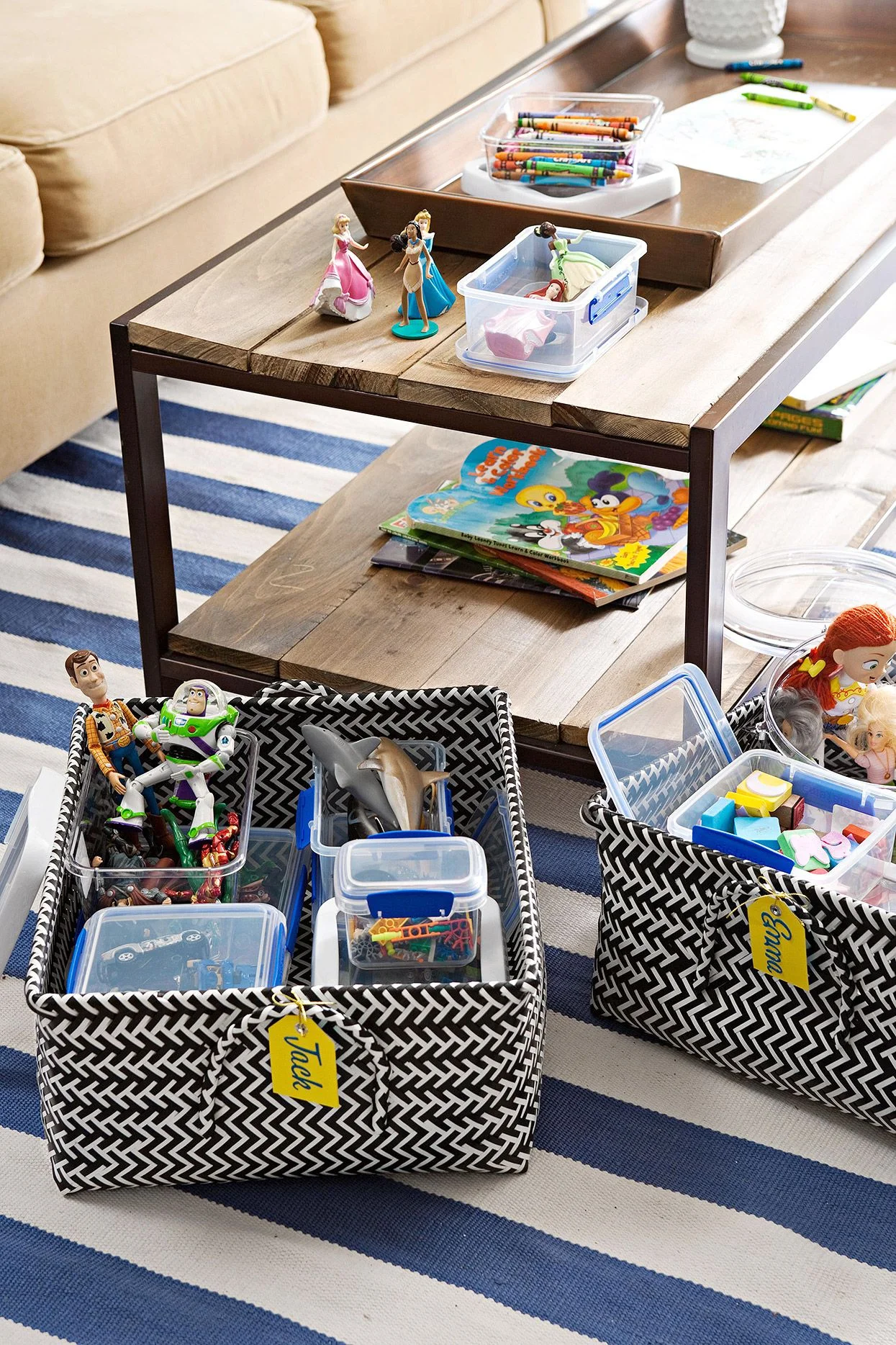
Cluttered play spaces aren’t just an eyesore; they can hinder a child’s ability to focus and enjoy their playtime. When toys are buried or mixed together, children may feel overwhelmed or frustrated trying to find their favorite items. Moreover, scattered toys can pose safety hazards, increasing the risk of trips and falls. By organizing toys effectively, parents create a safer environment that fosters creativity and encourages independent play.
Top Types of Storage Solutions for Kids’ Toys
Bins and Boxes: Benefits and Drawbacks
Bins and boxes are some of the most popular toy storage options for good reason. They come in various sizes and materials, making them versatile for sorting and stashing away different toys. Clear bins have the added advantage of letting kids and parents see what’s inside without opening them. However, if not labeled or organized, bins can become a catch-all, making it hard to find specific toys quickly. Choosing stackable and durable bins helps maximize space and keeps things tidy.
Shelves and Cubbies: Maximizing Vertical Space
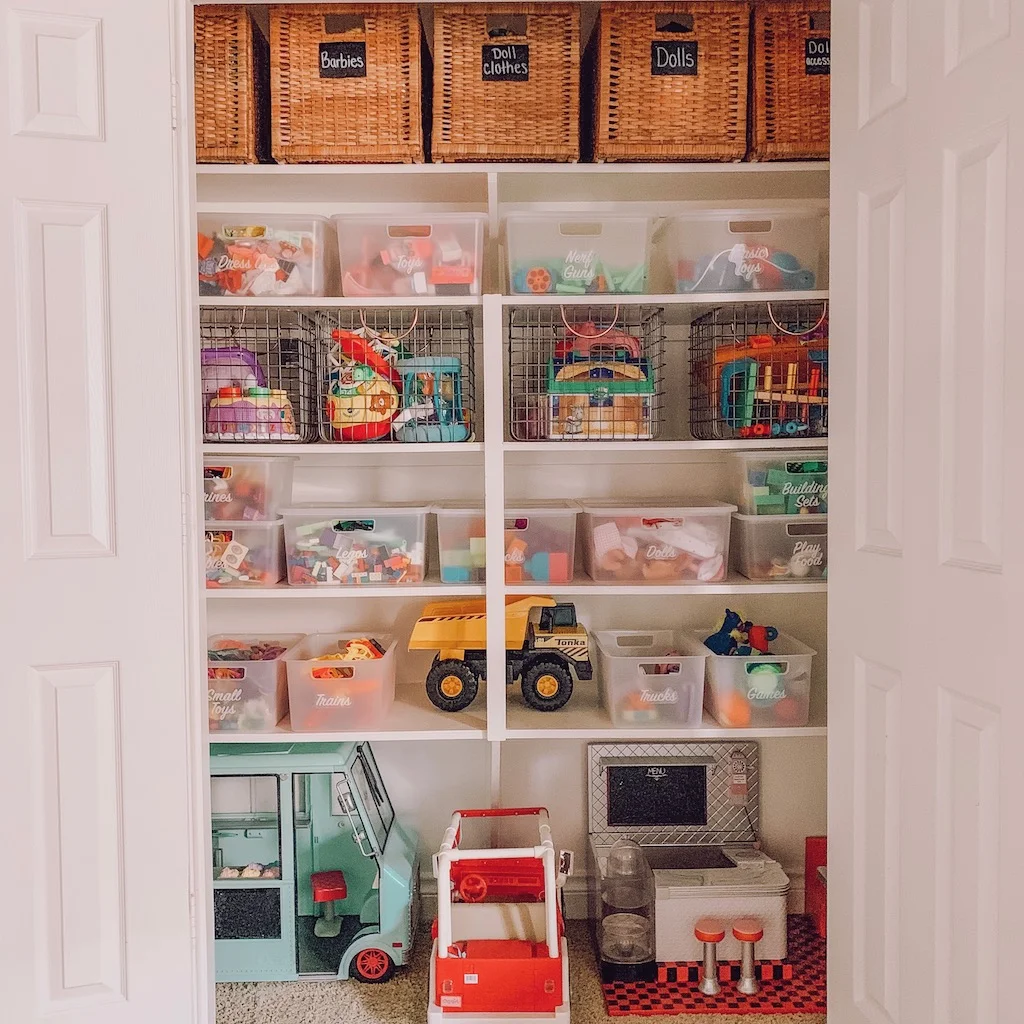
Utilizing wall space is a smart way to handle toy storage without crowding floor areas. Shelves and cubbies provide visible and accessible storage options where kids can easily spot and retrieve their toys. This method encourages tidiness since everything has its own designated space. Shelves can display toys as part of room décor, making the environment more inviting. The main downside is that items can sometimes fall off if not stored carefully, so adding bins within cubbies can provide extra security.
Multi-Functional Furniture for Toy Storage
Furniture pieces like benches with built-in storage, ottomans with hidden compartments, or coffee tables with drawers can serve dual purposes. These multi-functional items help keep toys out of sight while maintaining a clean look in living areas. They are ideal for families with limited space who want to integrate toy storage seamlessly into everyday life. While these solutions can be more costly upfront, their convenience and aesthetic appeal often make them worth the investment.
Choosing the Right Storage Solution Based on Toy Types
Storage for Large Toys and Stuffed Animals
Large toys and stuffed animals require special consideration as they can be bulky and awkward to store. Oversized bins or fabric storage bags can accommodate these items easily. Hanging storage options like mesh hammocks are also great for stuffed animals, keeping them off the floor and adding playful décor to the room. Avoid cramming these toys into small boxes, which can damage them and make retrieval difficult.
Solutions for Small Parts and Craft Supplies
Small toys, building sets, and craft supplies need containers that prevent pieces from getting lost. Compartmentalized boxes or drawer organizers work wonders here. Clear containers make it easier for kids to find what they need without dumping everything out. It’s helpful to have dedicated spots for different categories of small items to keep creativity flowing without the hassle of constant searching.
Books and Educational Toys Storage Ideas
Books and educational toys deserve storage that encourages frequent use. Low shelves or bookcases allow children to browse and choose at their leisure, promoting reading and learning habits. Magazine holders or angled shelves can also display books attractively. Keeping educational toys in bins or baskets nearby encourages easy access and tidy cleanup after playtime.
Creative Organization Tips for Encouraging Kids to Help
Color-Coding and Labeling Techniques
Getting kids involved in tidying up becomes easier when storage is visually clear and engaging. Color-coding bins and shelves according to toy type or ownership makes sorting intuitive. Adding picture labels can assist younger children who can’t read yet. These simple strategies teach organization skills and build a sense of responsibility in a fun way.
Involving Kids in Customizing Their Storage Spaces
When children have a say in how their toys are stored, they’re more likely to respect the system. Allowing them to decorate bins, choose labels, or arrange their shelves helps personalize the space. This involvement makes cleanup less of a chore and more of an enjoyable activity. Plus, it fosters independence and pride in maintaining their environment.
Maintaining Toy Organization Over Time
Regular Decluttering Strategies
To keep toy storage effective, regular decluttering is essential. Over time, children outgrow toys or lose interest, leading to surplus clutter. Setting a schedule, like a monthly or seasonal review, helps families decide what to keep, donate, or discard. This habit prevents storage from becoming overwhelmed and keeps the play area fresh and manageable.
Setting Up a Toy Rotation System
A toy rotation system is a clever way to maintain order and sustain a child’s interest. Instead of having all toys accessible at once, selecting a few to be available while storing others away creates novelty without overwhelming the space. Rotating toys periodically not only reduces clutter but also extends the life of toys by keeping them feeling new. This approach encourages mindful play and makes cleanup simpler.