


Introduction to Upcycling Furniture on a Budget
Why Choose Upcycling Over Buying New Storage
Finding affordable and functional storage solutions can be a challenge, especially when quality furniture often comes with a high price tag. Upcycling old furniture offers a practical answer to this problem by transforming existing pieces into useful storage options without the need to buy new items. This approach not only saves money but also reduces waste, giving old furniture a second life. It’s an environmentally responsible choice that adds character and uniqueness to your living space while addressing everyday storage needs.
Essential Tools and Materials for Budget Upcycling
One barrier to upcycling can be the misconception that it requires expensive tools or materials. However, most budget upcycling projects only need a few basic supplies such as sandpaper, paint, brushes, screws, and simple hand tools like a screwdriver or hammer. Many of these items are often already lying around the house or can be bought inexpensively. By focusing on low-cost materials and repurposing what you already have, you keep your project wallet-friendly without compromising on functionality or style.
Planning Your Upcycling Project
Assessing Furniture for Storage Potential
Before diving into an upcycling project, it’s important to carefully assess the furniture piece to understand how it can be best utilized for storage. Look for solid wood pieces or items with sturdy frames, as these will hold up better over time and with added modifications. Identifying hidden spaces such as under seats or inside drawers can reveal untapped storage potential. Additionally, consider the size and shape of the piece so that your final design fits the intended space and purpose effectively.
Design Ideas for Functional Storage Solutions

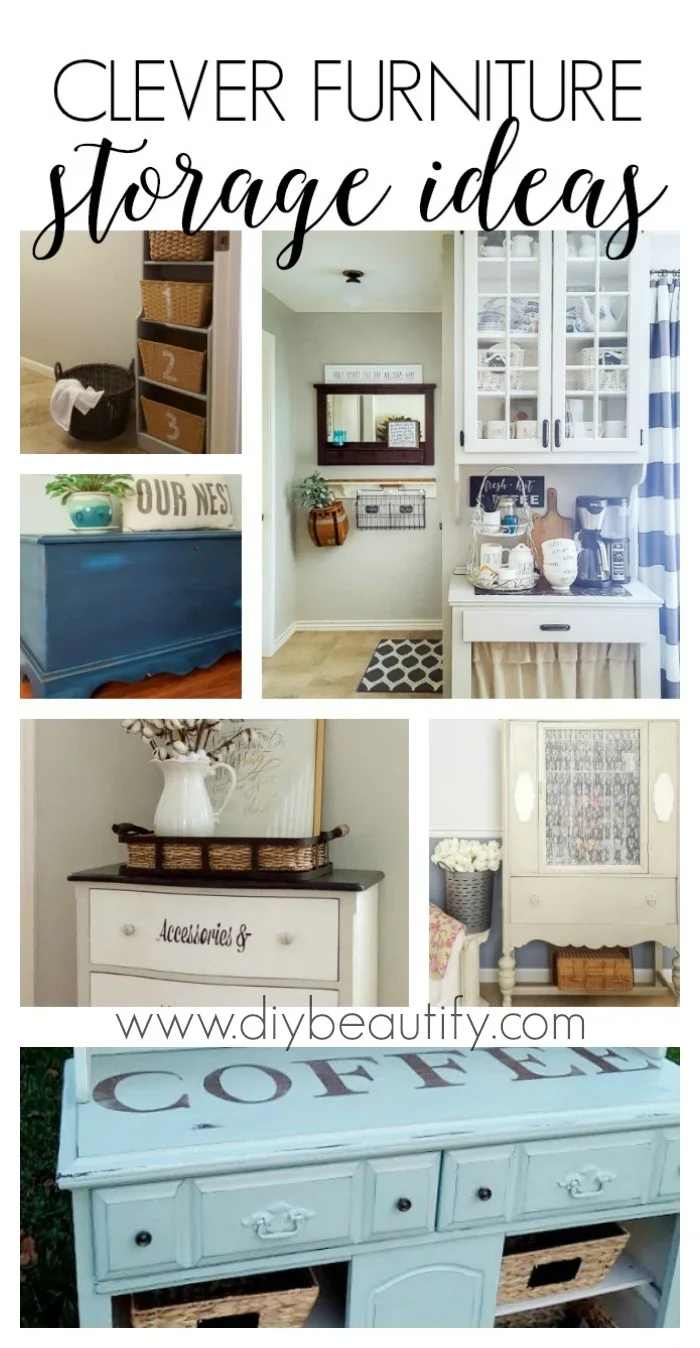
Improving storage functionality often requires a creative approach tailored to your needs. For example, an old chest can be turned into a toy box with added cushion seating, or a cabinet can be reorganized into segmented storage for craft supplies using small containers. Simple design changes like adding hooks inside doors or installing adjustable shelves can greatly enhance usability. Thinking through how the furniture will be used in daily life helps avoid making modifications that look good but don’t serve practical storage functions.
Step-by-Step Guide to Transforming Old Furniture
Cleaning and Preparing Pieces
Starting your project with thorough cleaning is crucial to ensure that paint and finishes adhere properly. Dirt, grease, and grime buildup can cause new coatings to peel or bubble, reducing the longevity of your work. Use gentle cleaning agents and a scrub brush to remove residues. After cleaning, sanding the surface smooths out imperfections and creates a better base for painting or staining. Skipping this step often leads to uneven finishes and a less polished final result.
Simple Repairs That Save Money
Minor damages such as loose joints, missing knobs, or small cracks can be fixed easily with basic supplies like wood glue, filler, and replacement hardware. Addressing these issues early prevents further deterioration, making your piece safer and more durable. Avoid costly replacements by salvaging parts from other unused furniture or hardware stores’ discounted sections. Taking time for repairs can extend the life of your furniture, saving money compared to buying new storage units.
Creative Enhancements: Painting, Stenciling, and More
Once your piece is prepped, adding color and design can dramatically improve aesthetics while reinforcing protection. Paint is one of the most affordable ways to revitalize old furniture and can be applied in layers for durability. Stenciling or hand-painting patterns introduces personality and helps the piece blend into your home decor. Using chalk paint or milk paint can give a vintage or distressed look without complicated techniques. Decorative knobs and liners are simple upgrades that enhance both beauty and function, further personalizing your storage solution.
Maximizing Space with Multi-Functional Upcycled Furniture
Adding Drawers and Shelves
One common obstacle when repurposing old furniture is limited storage compartments. Adding or modifying drawers and shelves can significantly increase capacity and organization. For example, installing shallow drawers into an unused table base provides discreet storage for smaller items, while extra shelves in a cabinet can create tiered spaces that are easier to navigate. Thoughtful measurement and using affordable materials like plywood or repurposed wood keep costs down while maximizing usability.
Converting Tables and Desks into Storage Units
Many old tables and desks have sturdy frames but lack adequate storage, presenting an opportunity for customization. Converting these pieces into storage units can be achieved by adding cubbies, baskets, or filing drawers underneath. This solves the problem of wasted space beneath or on the sides of furniture, turning them into efficient units that serve dual purposes. Careful consideration of weight distribution and balanced design ensures that the modified piece remains stable and functional for everyday use.
Case Studies: Real-Life Budget Upcycling Successes
Small Apartment Storage Solutions
Upcycling offers tremendous value for those living in small apartments where every square foot counts. For instance, transforming an old dresser into a compact shoe storage unit with labeled drawers helped a renter reduce closet clutter while staying within a tight budget. Using less expensive spray paint and applying vinyl decals added style without costly labor. This case illustrates how strategic planning and minimal investment can solve typical small space storage challenges.
Kids’ Room Organization Ideas
In children’s rooms, storage needs frequently change as they grow. A simple example involved converting a worn-out bookshelf into a multi-tiered toy organizer with colorful bins. The project avoided expensive plastic units, providing a sturdy, lasting solution that encourages tidiness. Parents found that repainting with washable paint and labeling bins made cleanup more engaging and manageable. Upcycling allowed customization to fit evolving storage needs without ongoing expenses.
Tips for Maintaining Your Upcycled Storage Furniture
Routine Care and Preventive Maintenance
Protecting your upcycled furniture requires regular upkeep to extend its usability. Cleaning surfaces gently, checking for loose parts, and promptly addressing any new wear or damage prevents small problems from escalating. Applying protective finishes such as wax or polyurethane can shield painted surfaces, especially in high-use areas. Establishing a simple maintenance routine keeps your investment looking fresh and functioning well over time, avoiding costly repairs or replacements.
When to Refresh or Repurpose Again
Upcycled furniture doesn’t have to be permanent in its original form. When your storage needs or tastes change, consider refreshing the piece with a new coat of paint or adapting it for a different use. Repurposing again keeps furniture out of landfills and enhances versatility. This cycle of reuse aligns well with sustainability goals and budget consciousness, as each update requires fewer resources than starting from scratch. Recognizing when to refresh prevents neglect and maximizes the lifetime value of your furniture.