


Maximizing Small Spaces: The Ultimate Guide to Compact Home Offices
Understanding Your Space Constraints
Creating a functional home office within a compact apartment often feels like trying to fit a puzzle piece into an impossible spot. The main problem lies in limited square footage, which can quickly lead to clutter and inefficiency if not managed correctly. Without a clear understanding of your available space and its limitations, you risk overcrowding your area with unnecessary furniture or poorly arranged equipment.

Before diving into furnishing and organizing, measure your workspace carefully. Identify awkward corners, underutilized nooks, and areas that receive natural light. Recognizing these spatial constraints helps you tailor solutions that genuinely fit your apartment’s layout rather than forcing standard setups that waste valuable inches.
Essential Furniture for Small Home Offices
One common issue with small home offices is selecting furniture that consumes too much space or lacks multifunctionality. Bulky desks and oversized chairs can overwhelm a tight area, making it uncomfortable and difficult to move around. The solution is to invest in compact, versatile pieces designed specifically for small spaces.
Look for desks with a narrow footprint or wall-mounted foldable options that can be tucked away when not in use. Chairs that offer ergonomic support without heavy frames help maintain comfort without sacrificing room. Choosing furniture that serves dual purposes — such as a desk with built-in storage — can also reduce the need for extra pieces and maintain a streamlined workspace.
Innovative Storage Solutions to Declutter Your Workspace
Clutter is a major productivity killer, especially in small apartments where every inch counts. The root cause often boils down to inadequate storage, leading to piles of paperwork, cables, and office supplies cluttering the desk. To solve this, integrating creative storage strategies is crucial.
Vertical storage options such as floating shelves or pegboards maximize wall space without encroaching on floor area. Under-desk drawers or slim rolling carts can efficiently store essentials without bulk. Emphasizing out-of-sight storage keeps the visible workspace clear, maintaining both focus and cleanliness in the compact office.
Lighting Tips to Enhance Productivity in Tight Areas
Poor lighting is a subtle but significant challenge in compact home offices. Insufficient or harsh lighting can cause eye strain, headaches, and reduced concentration. The cause often stems from relying solely on overhead fixtures or natural light that doesn’t evenly illuminate the workspace.
To counter this, layering your lighting setup is essential. Combining ambient light from ceiling fixtures with task lighting such as adjustable desk lamps focuses illumination where it’s needed most. Utilizing daylight bulbs and positioning workstations near windows can also brighten the area, making it feel bigger and more inviting.
Decor and Color Choices for a Spacious Feel
Small spaces tend to feel cramped and claustrophobic when decorated with dark or overly busy patterns. The problem lies in the visual impact of colors and décor elements, which can amplify a room’s spatial limitations. Using the right color scheme and decor minimizes this adverse effect and enhances the sense of openness.
Opt for light, neutral colors on walls and large furniture pieces to reflect light and create an airy atmosphere. Adding mirrors strategically can also trick the eye into perceiving more depth and openness. Keep decorative items minimal and meaningful to avoid visual clutter while maintaining personality and comfort.
Technology Setups That Save Room and Boost Efficiency
Technology is indispensable in a home office, but bulky equipment and tangled cables often consume precious space and disrupt workflow. This challenge typically arises when setups are selected without considering compactness or wireless alternatives.
Implementing streamlined technology solutions can save room while enhancing your productivity. Devices like all-in-one computers, compact printers, and wireless peripherals reduce physical footprint. Cable management tools keep cords organized and out of the way, preventing clutter and safety hazards around your desk.
Transforming Multi-Use Areas into Functional Work Zones
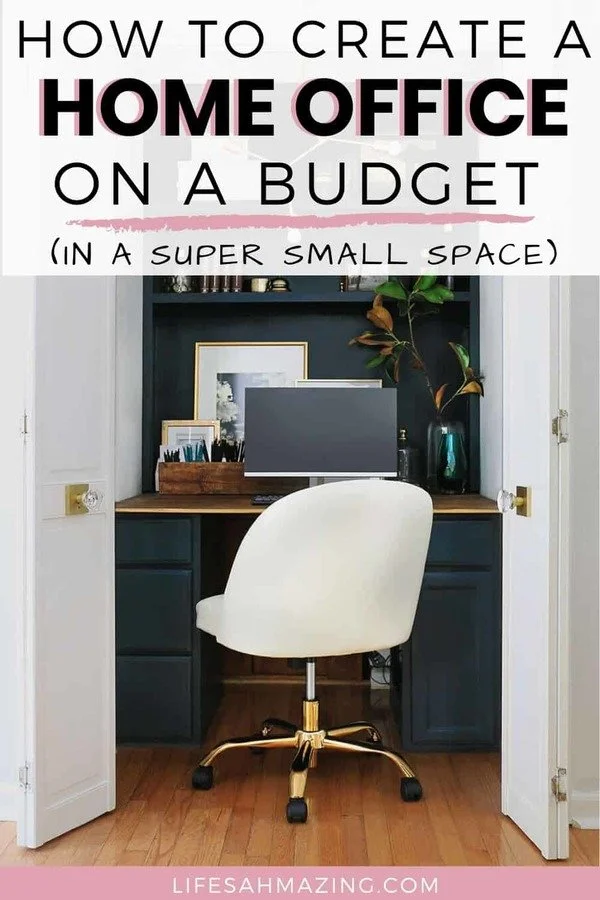
In compact apartments, dedicating an entire room to a home office is often impossible. This causes frustration when work areas are mixed with living or sleeping spaces, leading to distractions and ineffective boundaries. The root problem is insufficient zoning within limited square footage.
Creating functional work zones involves clearly defining areas, even in multi-use rooms. Use room dividers, rugs, or shelving units to visually separate your office nook from other spaces. Arranging furniture thoughtfully to establish dedicated work and relaxation zones helps maintain mental separation, improving focus and work-life balance.
Maintenance and Organization Habits for Long-Term Success
Even the best-designed compact office can become chaotic without ongoing upkeep. The problem arises from neglecting regular organization and cleaning, which quickly turns a neat workspace into a cluttered mess. This reduces efficiency and can impact motivation to work at home.
To prevent this, develop simple routines such as daily desk tidying and weekly review of documents and supplies. Prioritize keeping only necessary items on your desk and store excess materials systematically. Consistent maintenance not only preserves your workspace’s functionality but also fosters a productive environment conducive to long-term success.