


Understanding Plant-Based Proteins
What Makes a Protein Plant-Based?
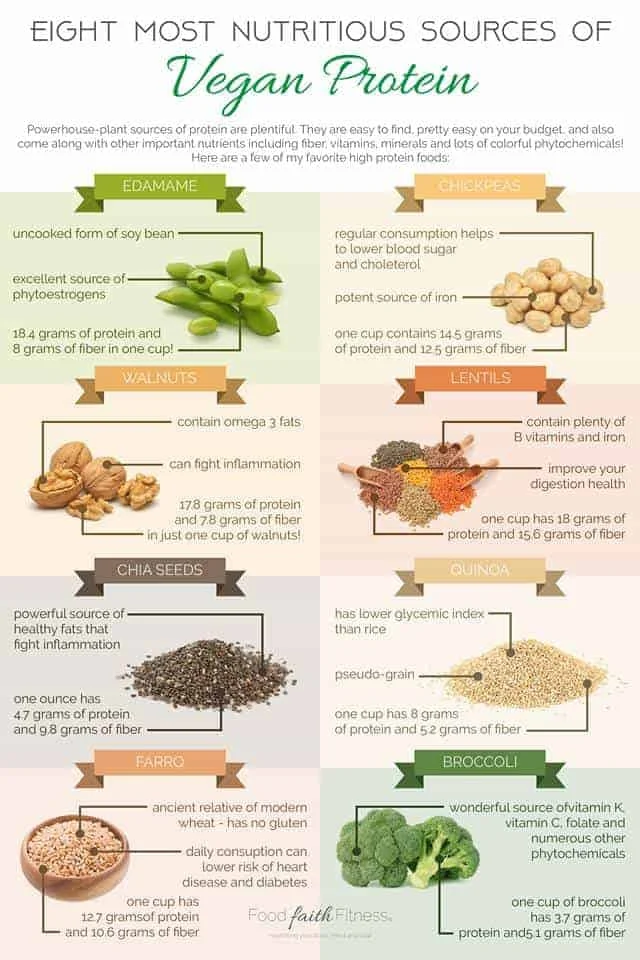
When we talk about plant-based proteins, we’re referring to proteins that come from plants rather than animal sources. These proteins are found in foods like beans, lentils, grains, nuts, and seeds. Unlike animal proteins, which typically contain all essential amino acids, plant-based proteins often need to be combined throughout the day to form a complete amino acid profile. This variety ensures that your body gets everything it needs to build and repair tissues.
Benefits of Choosing Plant-Based Protein
Opting for plant-based proteins can be a smart choice for many reasons. For starters, they tend to come with less saturated fat and cholesterol compared to animal proteins, which supports heart health. Additionally, plant proteins usually come packed with fiber, vitamins, and minerals, contributing to better digestion and overall wellness. Plus, choosing plant-based options is more environmentally friendly, using fewer resources and reducing your carbon footprint.
Top Affordable Plant-Based Protein Sources
Legumes: Beans, Lentils, and Peas
Legumes are the cornerstone of budget-friendly plant-based proteins. Beans, lentils, and peas provide a generous amount of protein per serving and are incredibly versatile. They can be incorporated into soups, stews, salads, and even made into patties or dips like hummus. One of the best things about legumes is their long shelf life and low price, making them a reliable pantry staple for anyone starting out with plant-based eating.
Whole Grains: Quinoa, Brown Rice, and Oats
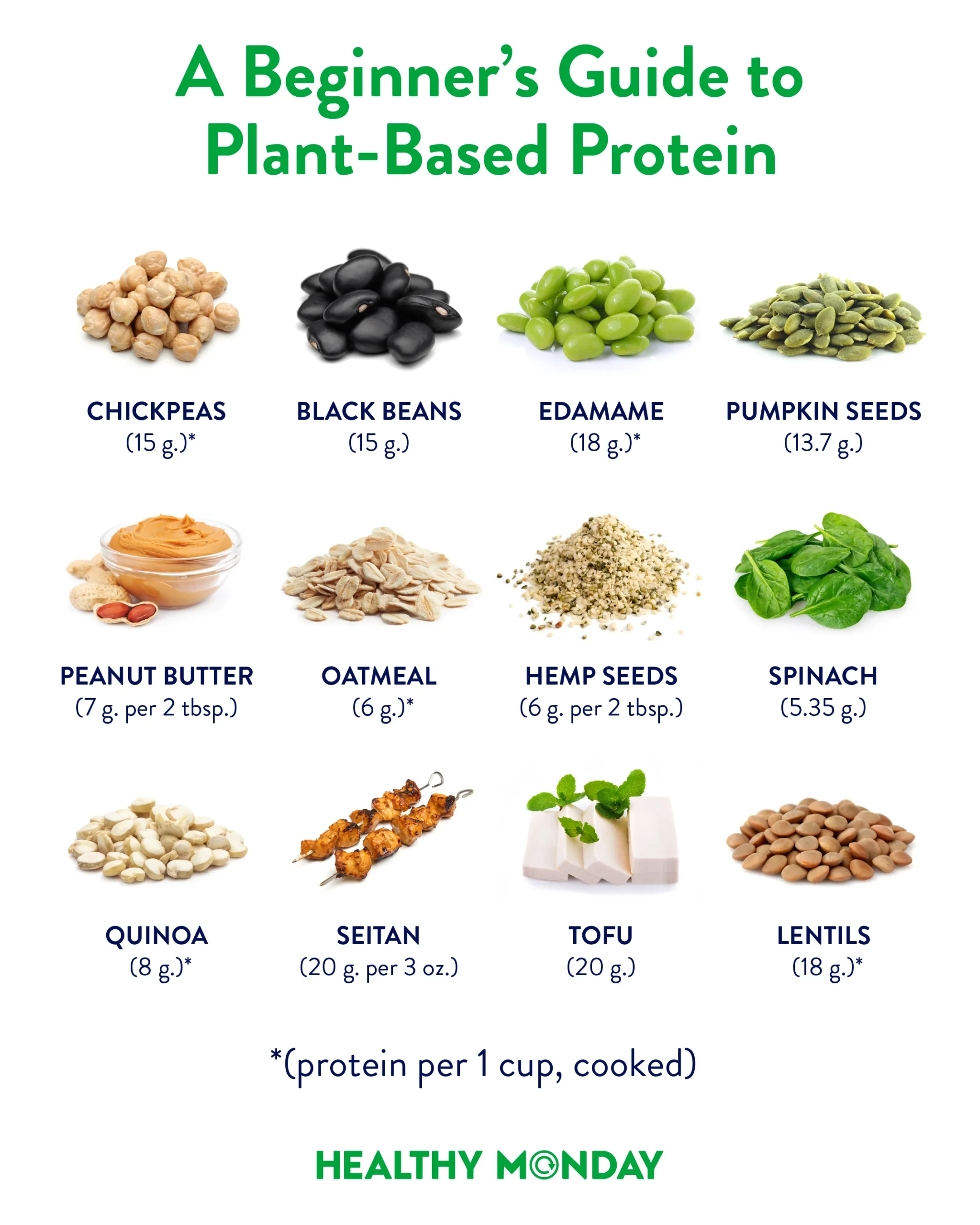
Whole grains not only provide energy but also contribute a steady amount of protein. Quinoa, for example, contains all nine essential amino acids, making it a rare complete plant protein. Brown rice and oats also pack protein alongside important fiber and micronutrients. Including these grains in your meals adds nutrition and helps round out your daily protein intake without breaking the bank.
Nuts and Seeds for Added Protein Boosts
While generally pricier than legumes and grains, nuts and seeds are fantastic for adding concentrated protein to your diet. Chia seeds, flaxseeds, sunflower seeds, and peanuts offer healthy fats alongside protein, which helps keep you full and satisfied. Just a small handful sprinkled over your oatmeal or yogurt alternative can elevate the protein content and flavor of your meals.
How to Incorporate These Proteins into a Beginner’s Diet
Simple Recipes and Meal Ideas
Getting started with plant-based proteins doesn’t have to be complicated. Try making a hearty lentil soup, which is easy to prepare and stores well for leftovers. Quinoa salads packed with veggies and a handful of nuts can serve as quick lunches. For breakfast, oatmeal topped with seeds and a dollop of nut butter adds both taste and protein. These simple dishes help you get comfortable with plant proteins without overwhelming your routine.
Shopping Tips to Save Money on Plant Proteins
Shopping smart is key when adopting a plant-based diet on a budget. Buying dried beans and lentils in bulk rather than canned options cuts costs significantly. Choosing grains like brown rice and oats from bulk bins also helps you save money and reduce packaging waste. Look out for sales on nuts and seeds, and consider buying them in larger quantities when prices dip. Planning your meals ahead reduces impulse buys and food waste.
Comparing Cost and Protein Content
Protein per Dollar: Which Foods Offer the Best Value?
When budgeting for protein, it pays to know which foods give you the most bang for your buck. Lentils and beans generally offer the highest protein per dollar ratios, especially when purchased dried. Quinoa is a bit more expensive but still affordable, considering its complete amino acid profile. Nuts and seeds provide a lot of nutrients in small servings but can be pricier, so they’re best used as protein boosters rather than primary sources.
Bulk Buying and Storage Advice
Buying plant-based proteins in bulk is a terrific way to save over time. Dried legumes, grains, and seeds can be stored for months if kept in airtight containers in a cool, dry place. This approach not only stretches your budget but also ensures you always have protein-rich ingredients on hand. Consider investing in good-quality storage jars to keep your staples fresh and avoid pests.
Potential Challenges and How to Overcome Them
Ensuring Adequate Protein Intake
One challenge beginners might face is feeling uncertain about getting enough protein from plants alone. Remember, you don’t need to consume all essential amino acids in one meal. Eating a varied diet with different plant proteins throughout the day will help you meet your nutritional needs. Tracking your meals initially or consulting resources can give you confidence as you adjust.
Common Mistakes Beginners Make
Many newcomers rely too heavily on processed meat substitutes, which can be costly and sometimes high in sodium. Another common mistake is neglecting variety—sticking to just one or two plant proteins limits nutrient intake. Lastly, not soaking or cooking legumes properly can cause digestive discomfort. Taking time to learn preparation methods and diversifying your choices can help you avoid these pitfalls.