


Understanding the Link Between Hydration and Focus
How Hydration Affects Cognitive Performance
Many people underestimate how vital hydration is to maintaining sharp cognitive functions throughout long work sessions. When the body lacks sufficient fluids, it can lead to reduced concentration, slower reaction times, and impaired memory. The brain relies heavily on a steady supply of water to operate efficiently because water supports essential processes like nutrient transport, waste removal, and regulation of brain temperature. Without proper hydration, the brain’s ability to perform complex tasks diminishes significantly.
The Science Behind Dehydration and Mental Fatigue
Dehydration triggers a cascade of physiological responses that often manifest as mental fatigue. Even mild dehydration—losing just 1-2% of body weight in water—can negatively impact mood and cognitive ability. This mental decline happens because dehydration reduces blood flow and oxygen delivery to the brain, increasing the effort required to complete cognitive tasks. Over extended periods, this leads to a higher likelihood of errors, decreased attention span, and an overall drop in productivity.
Top Hydrating Foods That Boost Brain Function
Fruits with High Water Content and Nutrients
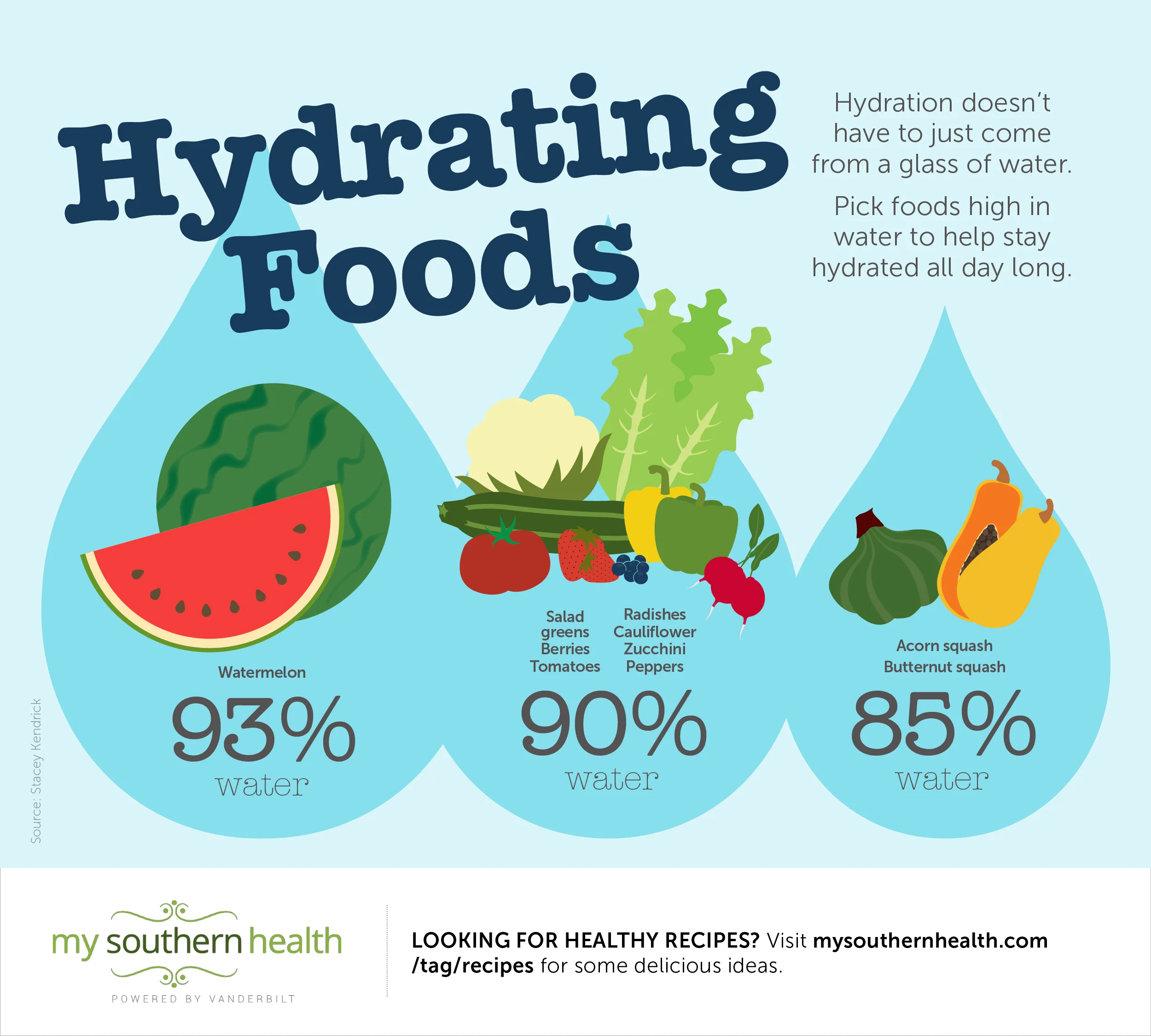
Incorporating fruits with naturally high water content into your diet is a practical way to stay hydrated while fueling your brain. Watermelon, cucumbers, oranges, and strawberries contain over 90% water and are rich in antioxidants, vitamins, and minerals that promote cognitive health. These fruits not only rehydrate but also deliver glucose and essential nutrients to the brain, providing a steady energy supply that helps maintain focus during long hours of work.
Vegetables That Keep You Alert and Refreshed
Certain vegetables like celery, lettuce, and zucchini are excellent sources of hydration, and their fiber content supports digestion and sustained energy release. Additionally, leafy greens such as spinach and kale contain important compounds like folate and magnesium that protect the brain from fatigue and enhance mental clarity. Including these vegetables in meals or snacks can provide dual benefits—hydration and vital nutrients that boost brain function.
Other Hydrating Snacks to Fuel Long Workdays
Beyond fruits and vegetables, some snacks also contribute to hydration while offering brain-boosting benefits. Yogurt, especially varieties with live cultures, contains water and probiotics that support gut-brain communication, which impacts cognitive performance. Additionally, homemade smoothies or infused water with slices of citrus or cucumber can refresh and hydrate simultaneously, keeping energy levels stable without the crash that sugary snacks cause.
Creating a Hydrating Diet Plan for Peak Productivity
Meal Timing and Hydration Synergy
Maintaining focus across extended workdays requires strategic timing of meals combined with hydration. Skipping meals or eating heavy, dehydrating foods can exacerbate fatigue. Instead, spacing hydrating foods evenly throughout the day helps maintain consistent blood sugar and hydration levels. Starting the morning with water-rich foods and pairing meals with a glass of water optimizes absorption and sustains mental energy for hours on end.
Integrating Hydrating Foods Into Your Routine
Incorporating hydrating foods into daily routines does not have to be complicated. Planning ahead by preparing fruit and vegetable snacks or blending hydrating smoothies can make healthy choices more accessible during busy work hours. Simple swaps like replacing chips with sliced cucumbers or choosing watermelon over sugary desserts ensure steady hydration and nutrient intake. The key is consistency and making these foods a regular part of your meals rather than occasional treats.
Additional Tips to Stay Hydrated and Maintain Focus
Importance of Drinking Water Alongside Hydrating Foods
While hydrating foods significantly contribute to fluid intake, they cannot completely replace the need for plain water. It’s a common mistake to rely solely on food for hydration, which may lead to subtle dehydration over time. Drinking water regularly throughout the day complements the hydration provided by foods and ensures optimal brain function. Aim for small, frequent sips to avoid disrupting workflow but keep fluid levels balanced.
Lifestyle Adjustments to Support Brain Health During Work
Beyond diet and fluid intake, certain lifestyle habits further enhance hydration and focus. Regular movement helps stimulate circulation, which supports nutrient delivery to the brain. Maintaining a balanced sleep schedule and managing stress also play crucial roles, as fatigue and anxiety can worsen dehydration’s effects on cognition. Creating a holistic approach that combines hydrating foods, adequate water consumption, and healthy lifestyle behaviors ensures peak productivity during demanding work hours.