


Understanding the Importance of Weekly Meal Planning
The Benefits for Busy Individuals
Imagine coming home from a hectic day, rushing to decide what to eat, and ending up ordering unhealthy takeout because there’s no plan in place. Weekly meal planning changes that scenario. For busy people juggling work, family, and social commitments, having a meal plan can be a lifesaver. It eliminates the stress of last-minute decisions, reduces the temptation to grab fast food, and helps control grocery expenses by avoiding impulse purchases. A clear plan means more time spent enjoying meals rather than scrambling to create them.
How Balanced Diets Improve Overall Health
A balanced diet fuels the body with the right nutrients, supporting energy levels and mental clarity—something crucial when days are packed. Consuming adequate proteins, healthy fats, and a colorful mix of fruits and vegetables helps maintain a robust immune system, manage weight, and prevent chronic diseases. Picture Maria, a marketing professional who started meal planning; she noticed her afternoon slumps decreased, and she felt more energetic. Balanced eating creates a foundation for long-term wellness, especially when your schedule doesn’t leave room for health setbacks.
Assessing Your Nutritional Needs and Preferences
Identifying Key Food Groups
Effective meal planning begins with understanding the building blocks of nutrition. Incorporate a balance of carbohydrates, proteins, fats, vitamins, and minerals into each meal. Think about Tom, who prioritizes lean proteins and fiber-rich vegetables to keep his blood sugar steady during intense workdays. For most, this means including whole grains, fresh produce, healthy fats like avocado or nuts, and diverse sources of protein such as fish, chicken, or plant-based options. Knowing these fundamentals ensures your plan meets daily energy requirements.
Considering Dietary Restrictions and Allergies
Personalization is key. Whether you’re vegan, lactose intolerant, or managing gluten sensitivity, your meal plan must respect these boundaries. For example, Sarah quickly adapted her plan to exclude dairy after a routine check-up revealed an intolerance. Adjusting recipes to fit restrictions may seem tricky but sets you up for sustainable, enjoyable eating without discomfort or health risks. Incorporating substitutions and exploring new ingredients can even make meal times more exciting.
Step-by-Step Guide to Creating Easy Weekly Meal Plans
Choosing Meals That Save Time
When life is busy, simplicity becomes your ally. Start by selecting meals that don’t require lengthy preparation, such as grilled chicken with roasted vegetables or quinoa salad bowls. A trick is to rotate a few go-to recipes that you enjoy and can prepare quickly—maybe a stir-fry or overnight oats for breakfast. This approach provides predictability but leaves room for small tweaks, like swapping out veggies depending on what’s fresh or on sale.
Incorporating Variety for Nutritional Balance
Repetitive meals can dull enthusiasm and risk nutritional gaps. Adding variety doesn’t mean overcomplicating your week but rather mixing protein sources, colors, and textures. One evening might feature salmon and leafy greens; another, chickpea curry with brown rice. This variety ensures you receive a broad spectrum of nutrients and keeps your palate engaged. Even small changes, like trying a new spice blend or swapping fruit choices, invigorate your meal plan.
Shopping List Preparation and Smart Grocery Shopping
Transform your meal plan into an efficient shopping list by grouping ingredients by category—produce, dairy, proteins, and pantry staples. This minimizes time wandering aisles and prevents forgotten items. Jane found that planning her list according to supermarket layout shaved 15 minutes off her usual shopping time. Additionally, checking for weekly deals or seasonal produce helps save money and keeps your menu fresh. Buying in bulk for staples like grains or frozen vegetables can reduce trips to the store and ensure you’re always prepared.
Time-Saving Tips for Meal Prep on a Busy Schedule
Batch Cooking Techniques
Batch cooking is the secret weapon for many busy professionals. Take Sunday afternoon to prepare a large pot of chili or roast a batch of chicken breasts. Dividing these into portions means you can grab a ready-made meal any day of the week. John, a father of two, swears by this method—it frees up weekdays for family time without sacrificing nutritious food. Additionally, batch cooking can reduce energy use, since you’re cooking multiple meals simultaneously.
Using Tools and Appliances Efficiently
Modern kitchens offer great tools to speed up meal prep. Slow cookers, instant pots, and air fryers not only save time but often require less cleanup. For example, using an instant pot can transform tough cuts of meat into tender meals within an hour, unlike traditional slow cooking that takes all day. Investing a bit of time learning to use these gadgets can pay off tremendously in a busy schedule, making meal planning feel less like a chore and more like a breeze.
Sample Meal Plan Templates and Ideas
Breakfast, Lunch, and Dinner Options
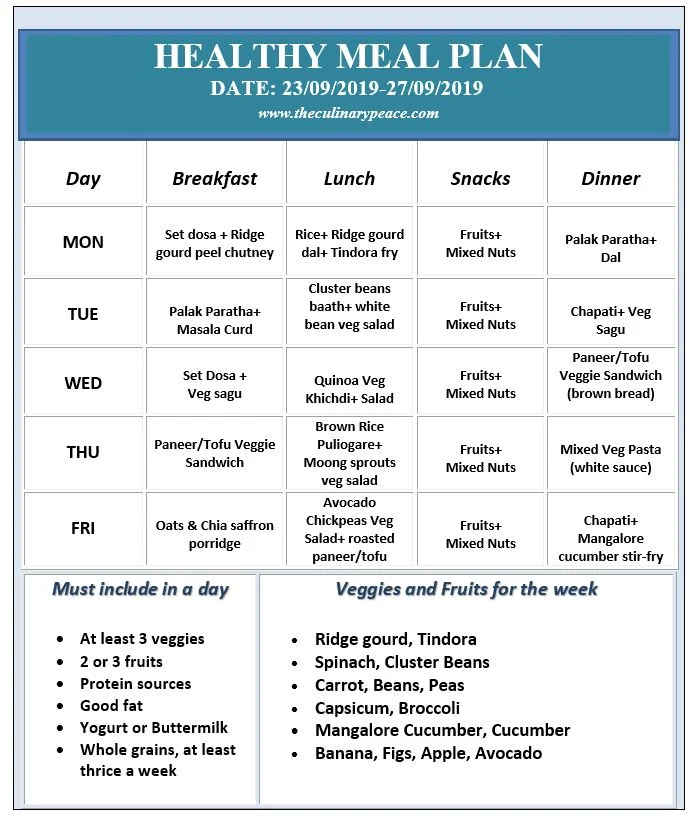
To illustrate, a simple weekly menu might start with overnight oats topped with fresh berries for breakfast. Lunch could be a grilled chicken wrap with spinach and hummus, while dinner varies between baked salmon with quinoa and steamed broccoli or vegetarian stir-fry. These choices offer balanced macronutrients and can be prepped partially or fully in advance, fitting smoothly into busy days.
Healthy Snacks and Beverage Choices
Snacks play a vital role in sustaining energy between meals. Opt for nuts, Greek yogurt, or sliced veggies with guacamole instead of processed chips or sugary treats. Staying hydrated is equally important; water, herbal teas, or infused water with lemon and cucumber serve as excellent beverage options to complement meals and snacks. Keeping these quick, nutritious choices handy helps avoid the pitfall of reaching for convenient but less healthy alternatives.
Adjusting Your Meal Plan for Flexibility and Sustainability
Handling Unexpected Changes in Schedule
Life is unpredictable. A meeting may run late, or social plans might pop up, disrupting your meal plan. Instead of feeling defeated, allow room for flexibility. Keep a few frozen meals or quick recipes in your arsenal for such days. Emily, a busy consultant, always keeps a stash of frozen vegetable blends and canned beans to whip up a fast stir-fry in under 15 minutes. This adaptable approach keeps you on track without added stress.
Maintaining Motivation and Consistency
Staying motivated week after week can be challenging. Celebrate small victories, like successfully prepping meals three days in a row, and don’t hesitate to change your plan if it feels stale. Joining online communities or sharing meal ideas with friends can reinvigorate your commitment. Remember, meal planning is a tool to serve you, not a strict rulebook. Flexibility, patience, and recognizing progress go a long way toward making balanced eating a sustainable habit.