


Understanding Emotional Eating and Its Triggers at Work
Defining Emotional Eating: Causes and Effects
Emotional eating occurs when food becomes a coping mechanism rather than a source of nourishment. People often reach for comfort foods not because they are physically hungry, but to manage feelings such as stress, boredom, or anxiety. This behavior can disrupt normal eating patterns and may lead to overeating or choosing unhealthy options. Over time, emotional eating can contribute to weight gain, feelings of guilt, and a cycle that further impacts mental wellbeing.
Common Workplace Stressors That Lead to Emotional Eating
The workplace is a common environment where emotional eating can flourish. Deadlines, high workloads, interpersonal conflicts, or a lack of breaks can trigger stress responses that push individuals toward food for solace. Additionally, the accessibility of vending machines or communal snacks may encourage impulse eating. Recognizing these specific triggers is crucial because it allows for the development of targeted strategies to manage stress without resorting to food.
Strategies for Effective Meal Planning Amidst a Hectic Schedule
Choosing Quick and Nutritious Recipes
When workdays are packed, spending extensive time on meal preparation is impractical, often leading to unhealthy last-minute choices. The root problem is the perception that nutritious meals take too long to prepare. To overcome this, prioritize recipes that are both quick and balanced. Meals like stir-fries, salads with lean proteins, and grain bowls can be prepared in 20 minutes or less without sacrificing quality. Prior planning ensures that healthy ingredients are on hand, preventing reliance on fast food.
Batch Cooking and Freezing Meals for Convenience
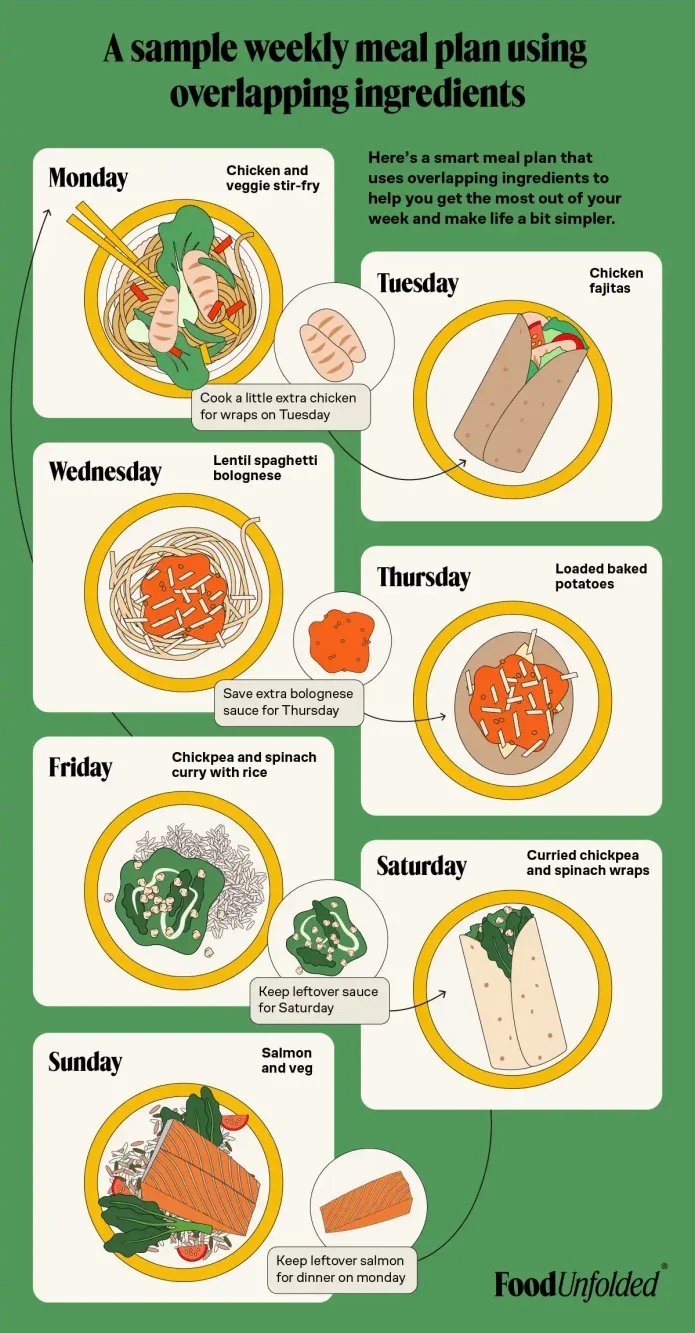
Time scarcity is a common barrier to healthy eating during busy periods. Batch cooking addresses this by creating multiple portions at once, which can be refrigerated or frozen for later use. This reduces daily decision fatigue and the temptation of emotional eating due to rushing. For instance, cooking a large pot of soup or a casserole on the weekend provides ready-made meals that require minimal effort during the workweek.
Preparing Portable Snacks to Avoid Impulse Eating
Impulsive snacking often results from sudden cravings or gaps between meals when hunger strikes unexpectedly. Simply not having healthy snacks available can lead to grabbing high-sugar, high-fat options nearby. Preparing portable snacks like cut vegetables, nuts, or yogurt ensures accessible alternatives. This proactive approach curbs emotional eating by supplying satisfying, nutrient-dense options that stabilize blood sugar and mood.
Designing a Meal Plan that Supports Emotional Wellbeing
Incorporating Comfort Foods with a Healthy Twist
Comfort foods have emotional significance and can provide solace during stressful periods. However, traditional versions of these dishes are often calorie-dense and low in nutrients. Instead of eliminating comfort foods entirely, modifying recipes to reduce unhealthy fats and sugars while adding nutrient-rich ingredients allows you to enjoy these meals without guilt. For example, preparing a healthier macaroni and cheese with whole wheat pasta and reduced-fat cheese balances satisfaction with wellbeing.
Balancing Macronutrients to Stabilize Mood and Energy
One overlooked cause of emotional eating is fluctuating blood sugar and energy levels. Meals that lack balance can lead to energy crashes, increasing cravings for sugary or fatty foods. A well-crafted meal plan that includes an appropriate mix of carbohydrates, proteins, and healthy fats helps regulate blood sugar, improving mood stability and reducing the impulse to eat emotionally. For instance, pairing a complex carb like quinoa with lean protein and avocado creates sustained energy and satiety.
Time Management Techniques to Stick to Your Meal Plan
Setting Reminders for Meal Times
Busy schedules can cause people to skip meals or eat irregularly, both of which can trigger emotional cravings later on. Forgetting to eat or postponing meals exacerbates hunger and stress, creating a cycle of poor food choices. Using alarms or calendar reminders to schedule consistent meal times helps maintain routine and prevents impulsive snacking. This simple intervention fosters a stronger connection to physical hunger cues rather than emotional triggers.
Using Meal Prep Apps and Tools
Meal planning and preparation can feel overwhelming without organization, especially during hectic workweeks. Many digital tools are designed to streamline the process with features like grocery lists, recipe suggestions, and nutritional tracking. Utilizing these apps reduces planning fatigue by simplifying decision-making and ensuring you have the necessary ingredients on hand. By making meal prep easier to manage, these tools support adherence to healthy habits that reduce emotional eating.
Mindful Eating Practices to Combat Emotional Hunger
Recognizing True Hunger Versus Emotional Cravings
One of the biggest challenges in managing emotional eating is distinguishing between physical hunger and emotional cravings. True hunger develops gradually and can be satisfied with any nutritious food, whereas emotional hunger is sudden, often focused on specific comfort items. Developing awareness of hunger cues helps interrupt impulsive eating. Techniques such as pausing to assess hunger levels, drinking water first, or distracting oneself briefly can clarify whether the urge to eat is genuine or emotional.
Implementing Mindfulness Techniques During Meals
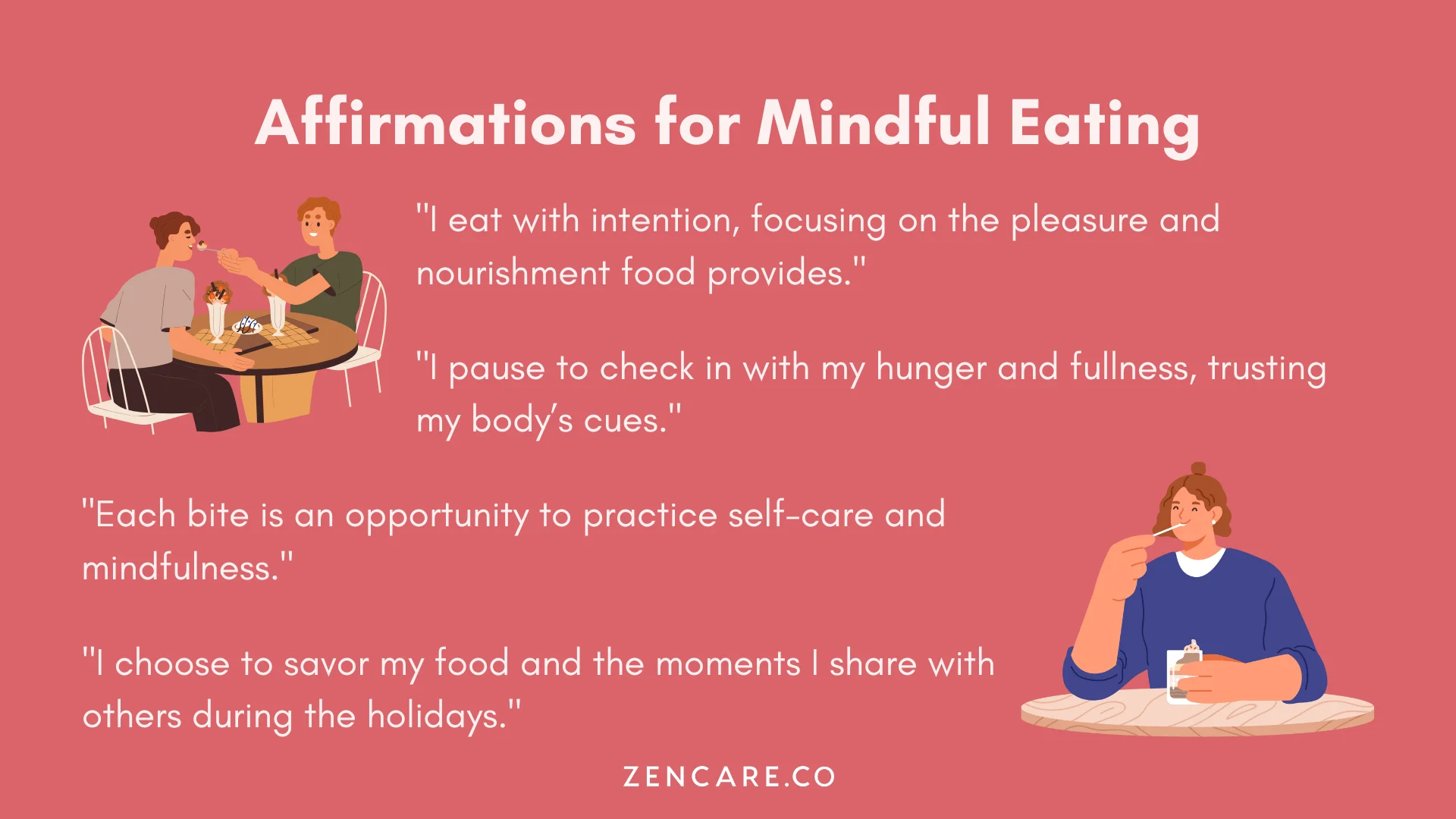
Mindful eating encourages slowing down and paying attention to the sensory experience of food, which helps reduce overeating driven by emotion. When meals are eaten mindlessly, it’s easy to consume excessive portions or seek food for reasons other than hunger. Practices such as chewing slowly, savoring flavors, and focusing on the act of eating enhance satisfaction and promote better digestion. Over time, mindfulness nurtures a healthier relationship with food and lessens the hold of emotional eating.
Summary: Creating a Balanced Approach to Meal Planning and Emotional Eating
Reducing emotional eating during busy workdays requires both strategic meal planning and emotional awareness. Understanding the triggers and impacts of emotional eating helps in crafting practical solutions like quick nutritious meals, batch cooking, and portable snacks. Designing meal plans that blend comfort with health and balance macronutrients stabilizes mood and energy. Time management tactics and mindful eating further support adherence to these plans, breaking the cycle of stress-related overeating. Ultimately, adopting this balanced approach fosters both physical health and emotional resilience amid the demands of a hectic work life.