


Why Choose Removable Wallpaper for Rentals?
Benefits Over Traditional Wallpaper
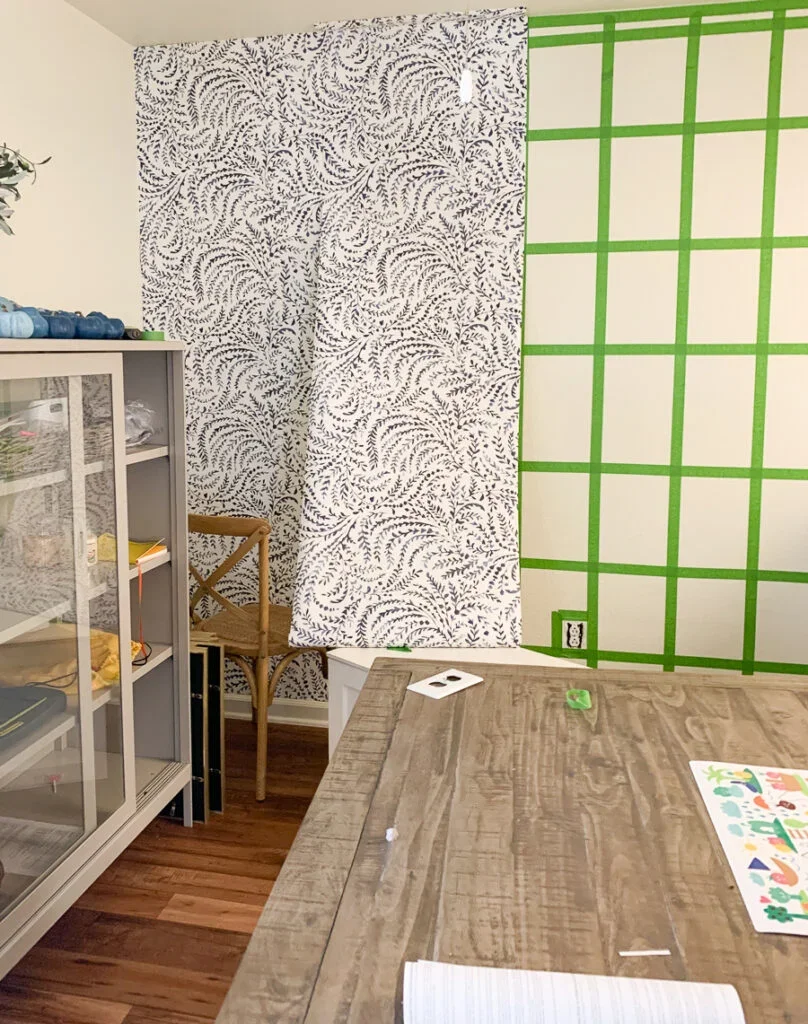
Removable wallpaper is designed for easy application and removal, making it an ideal choice for renters. Unlike traditional wallpaper, it does not require glue or extensive preparation, which can damage surfaces. Its peel-and-stick nature allows for quick updates, offering a stylish and flexible solution without permanent commitment.
Protecting Your Security Deposit
One of the biggest concerns when renting is maintaining the property’s condition to avoid losing your security deposit. Removable wallpaper respects this need by coming off cleanly without peeling paint or leaving behind adhesive residue. This means you can refresh your space’s look without risking deductions from your deposit.
Essential Preparation Before Application
Choosing the Right Wallpaper Material
Not all removable wallpapers are the same. Vinyl-based options tend to be more durable and moisture-resistant, suitable for kitchens and bathrooms. Fabric or paper-backed wallpapers offer more texture but may be less forgiving on rough surfaces. Selecting a material that fits the room’s environment ensures longevity and ease of use.
Cleaning and Priming Walls
For the wallpaper to adhere properly, walls must be clean and smooth. Dust, grease, or moisture can cause the adhesive to fail. Gently wash the wall using a mild detergent and allow it to dry completely. Priming is optional but recommended on porous or painted walls to create an even surface that prevents bubbles and lifting.
Measuring and Cutting for Precision
Accurate measurements are vital for a professional look. Measure the wall height and width, then cut wallpaper strips accordingly, adding a couple of extra inches for adjustments. Taking your time with this step reduces waste and ensures proper alignment during installation.
Step-by-Step Guide to Applying Removable Wallpaper
Tools and Supplies Needed
Gathering the right tools simplifies the process. You will need a smoothing tool or plastic card, a sharp utility knife, measuring tape, a pencil for marking, and a level if aligning patterns. Having these ready prevents interruptions during application.
Techniques for a Bubble-Free Finish
Start by peeling a small section of the backing and aligning the wallpaper at the top of the wall. Slowly press it into place, smoothing with the tool as you go to push out air bubbles. Working gradually from top to bottom minimizes wrinkles. If bubbles do appear, gently lift the wallpaper and reapply.
Tips for Pattern Matching and Alignment
When working with patterned wallpaper, note the repeat size and match designs carefully between strips. Align edges precisely to ensure seamless continuity. It’s helpful to hang the first strip perfectly straight as a guide for the remaining ones, preventing crooked panels.
Creative Ideas to Personalize Each Room
Accent Walls vs. Full Room Coverage
To inject personality without overwhelming the space, consider creating an accent wall. This technique highlights a focal area such as behind a bed or sofa. Alternatively, covering all walls can transform a room dramatically but requires commitment as it changes the entire ambiance.
Mixing Styles and Textures
Combining different wallpapers can add depth and interest. For example, pairing a bold geometric pattern with a subtle textured wallpaper balances vibrancy with calm. Mixing matte and glossy finishes also creates tactile contrast. Thoughtful pairing helps express your style while maintaining harmony.
How to Remove Removable Wallpaper Without Damage
Best Practices for Gentle Removal
Begin removal by slowly peeling the wallpaper from one corner. Pull it back at a low angle to reduce stress on the wall. If the wallpaper resists, use a hairdryer on low heat to soften the adhesive for easier lifting. Avoid sharp scraping tools that risk damaging the paint.
Dealing with Residue and Stains
Sometimes adhesive residue remains after removal. Use a soft cloth with warm soapy water or a mild adhesive remover to clean the surface. Test cleaning solutions on an inconspicuous area first to avoid discoloration. Addressing stains promptly keeps walls rental-ready.
Maintenance and Troubleshooting Tips
Fixing Peeling Edges
Edges may begin to lift over time, especially in humid rooms. Press peeled areas back firmly and use a small amount of removable wallpaper adhesive if needed to reattach. Regularly checking and addressing minor lifting prevents bigger problems.
When to Replace or Refresh Your Wallpaper
Replace the wallpaper when colors fade, patterns look dated, or damage occurs. Removable wallpaper offers flexibility to update your space seasonally or whenever inspiration strikes. Keeping the walls fresh contributes to an inviting environment.