


Understanding Emotional Eating and Stress
What Is Emotional Eating?
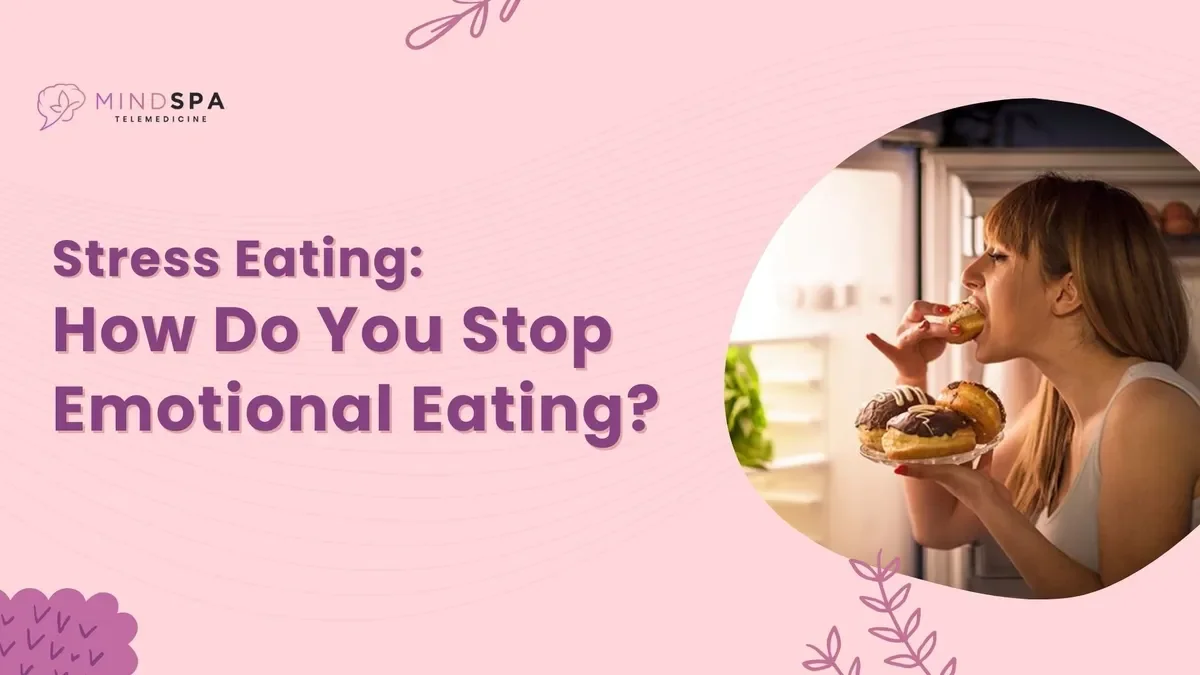
Emotional eating refers to the habit of consuming food in response to feelings rather than hunger. Picture Sarah, who after a demanding day at work, finds herself reaching for a tub of ice cream—not because she is hungry, but because she feels overwhelmed. This kind of eating often serves as a temporary escape or comfort during emotional turmoil, creating a cycle that can be hard to break.
How Stress Impacts Eating Habits
Stress triggers a cascade of physiological and psychological responses, which often influence food choices. When John faced a tight project deadline, he noticed his cravings shifted towards sugary and fatty foods, giving him a quick but short-lived energy boost. Stress hormones like cortisol can increase appetite and drive cravings for high-calorie comfort foods, making meal planning more challenging during tough times.
Preparing Your Mind and Environment
Mindfulness Techniques to Combat Stress
Before tackling meal planning, calming your mind can set a strong foundation. Lisa, a busy mom, found that a five-minute breathing exercise before lunch helped her distinguish true hunger from stress-induced cravings. Mindfulness encourages paying full attention to the present moment, which can reduce impulsive eating and increase enjoyment of meals.
Setting Up a Supportive Kitchen Space
A cluttered or chaotic kitchen can add to stress and derail meal plans. Mark, who once struggled with late-night snacking, transformed his kitchen by organizing healthy ingredients within easy reach and removing tempting junk food from sight. Creating an environment where nutritious choices are visually accessible makes it easier to make mindful decisions, especially on stressful days.
Simple Meal Planning Strategies
Choosing Nutrient-Dense Foods
Opting for foods rich in vitamins, minerals, and fiber can help nourish both body and mind. When Emily started incorporating more colorful vegetables, lean proteins, and whole grains into her weekly meals, she noticed her energy stabilized, which reduced emotional cravings. Nutrient-dense foods support balanced blood sugar and mood regulation, making them allies against emotional eating.
Batch Cooking and Quick Meal Prep Ideas
Time scarcity often fuels the urge to grab comfort foods on high-stress days. To combat this, David dedicated part of his Sunday to batch cooking—a big pot of vegetable chili and several grilled chicken breasts—saving him from deciding what to cook when exhausted midweek. This approach ensures delicious, wholesome meals are ready to enjoy with minimal effort.
Incorporating Comfort Foods Wisely
Comfort foods hold sentimental value and can provide emotional relief if chosen thoughtfully. Instead of avoiding them completely, Anne learned to incorporate healthier versions of her favorites, like homemade baked sweet potato fries instead of deep-fried ones. Allowing occasional indulgences within a balanced plan prevents feelings of deprivation and reduces the risk of emotional binges.
Snacks and Hydration Tips
Healthy Snack Alternatives to Emotional Triggers
Picking the right snacks can be crucial during stressful moments. When Jason felt the urge to reach for chips, he started keeping mixed nuts and sliced fruit readily available. These alternatives offer satisfying textures and flavors that can fulfill cravings without leading to guilt. Identifying personal emotional triggers helps tailor snack choices that feel supportive rather than restrictive.
Importance of Staying Hydrated During Stress
Dehydration can sometimes masquerade as hunger, prompting unnecessary eating. During busy workdays, Clara noticed she often forgot to drink water, which increased her temptation to eat mindlessly. Keeping a refillable water bottle nearby and sipping consistently throughout the day helped her maintain hydration and reduce emotional snacking impulses.
Adjusting Your Plan on High-Stress Days
Flexible Meal Planning for Busy Schedules
Rigid plans can backfire when stress levels spike unexpectedly. Tom learned to build flexibility into his meal plan by having quick, nutritious options ready, like pre-washed salad mixes and canned beans, allowing him to assemble meals without hassle. This adaptability reduces decision fatigue and maintains healthy eating habits even during chaotic times.
Recognizing and Managing Cravings
Being aware of cravings as they arise plays a key role in preventing emotional eating. When Maria recognized her afternoon candy craving was linked to burnout rather than hunger, she chose to take a short walk instead. Developing such coping strategies shifts the focus away from food as the sole comfort and promotes overall emotional well-being.