


Understanding Emotional Stability and Nutrition
What Is Emotional Stability?
Emotional stability refers to the ability to manage and respond to emotions in a calm, balanced way. It involves resilience against stress, improved mood regulation, and maintaining mental clarity even in challenging situations. Achieving emotional stability can enhance overall well-being, improving relationships, productivity, and quality of life.
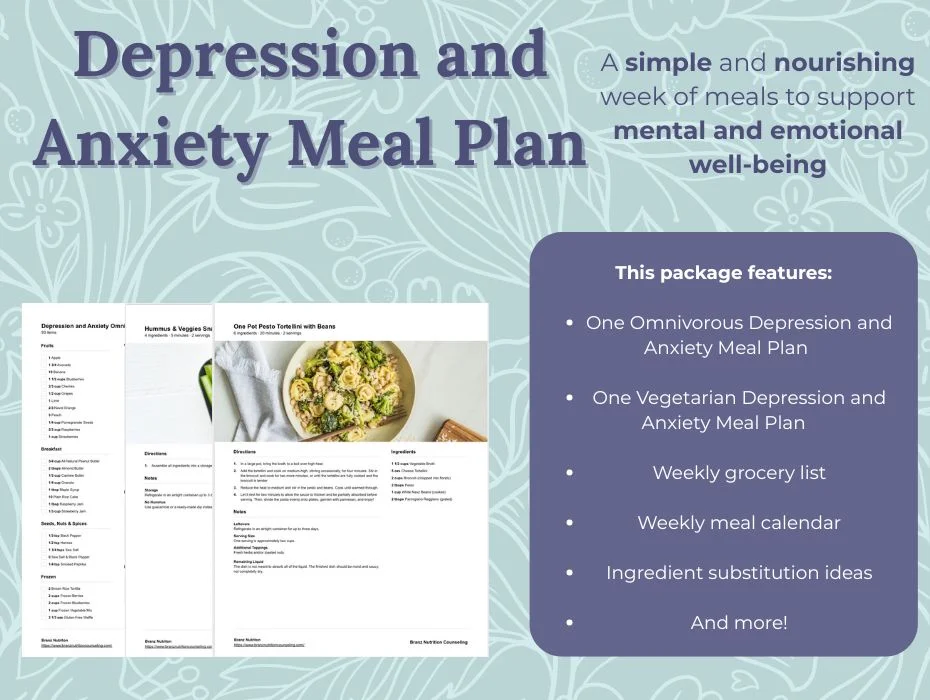
The Link Between Food and Mood
The foods we eat play a critical role in brain chemistry and emotional health. Nutrients influence neurotransmitter function, hormone levels, and energy supply, all vital for mood regulation. Poor diet choices can lead to mood swings, fatigue, and increased anxiety. Conversely, a well-balanced diet supports stable moods and emotional resilience.
Key Nutrients for Emotional Well-being
Essential Vitamins and Minerals
Vitamins like B-complex, vitamin D, and minerals such as magnesium and zinc are fundamental for mental health. These nutrients support neurotransmitter synthesis, reduce inflammation, and help the nervous system function optimally. Deficiencies can contribute to irritability, depression, and anxiety.
Role of Macronutrients in Mood Regulation
Proteins provide amino acids essential for serotonin and dopamine production, crucial neurotransmitters for happiness and calm. Healthy fats, particularly omega-3 fatty acids, improve brain function and reduce inflammation. Carbohydrates influence serotonin levels but should be balanced to prevent energy crashes and irritability.
Assessing Your Current Eating Habits
Keeping a Food and Mood Journal
Track what you eat alongside your emotional responses throughout the day. This practice can reveal patterns connecting certain foods to mood shifts. Over time, it provides insight into which foods enhance your well-being and which might be detrimental.
Identifying Triggers and Nutritional Gaps
Review your journal to spot emotional triggers related to eating habits, such as stress-induced cravings or energy dips. Look for gaps in nutrient intake that may undermine emotional stability. Awareness is key to making meaningful adjustments that foster balance.
Designing Your Balanced Meal Plan
Setting Realistic Nutritional Goals
Create achievable targets that focus on consistent intake of mood-supporting nutrients. Emphasize variety, moderation, and mindful eating rather than restrictive dieting. Goals should be flexible enough to adapt to your lifestyle while steady enough to encourage progress.
Choosing Foods That Promote Emotional Balance
Incorporate whole grains, lean proteins, fresh vegetables, fruits, nuts, and seeds. These foods contain fiber, antioxidants, and essential nutrients that stabilize blood sugar and reduce inflammation. Limit processed foods, excess sugar, and caffeine, which can disrupt mood and energy levels.
Sample Meal Plan and Recipes
Breakfast Ideas for Sustained Energy
Start with a balanced breakfast combining protein and complex carbs, such as oatmeal topped with nuts and berries, or eggs with whole-grain toast and avocado. These meals provide steady fuel and support neurotransmitter production to keep mood steady throughout the morning.
Lunch and Dinner Options to Support Mood
Focus on meals rich in vegetables, lean protein, and healthy fats. Examples include grilled salmon with quinoa and steamed broccoli or a chickpea salad with mixed greens and olive oil. These dishes help maintain blood sugar balance and provide anti-inflammatory benefits.
Snacks That Boost Emotional Health
Choose nutrient-dense snacks like Greek yogurt with flaxseeds, hummus with carrot sticks, or a handful of walnuts. These options supply protein, fiber, and omega-3s to help prevent mood dips between meals.
Tips for Maintaining Your Meal Plan Long-Term
Meal Prep Strategies for Consistency
Preparing meals in advance saves time and reduces the temptation to reach for unhealthy options. Batch cooking vegetables, proteins, and grains allows flexibility while ensuring balanced meals are always available. Consistency supports emotional stability by stabilizing energy and nutrient intake.
Adapting Your Plan Based on Emotional Needs
As your emotional landscape changes, adjust your meal plan accordingly. During stressful periods, increase nutrient-dense foods that support the nervous system. On more stable days, maintain variety and moderation. Flexibility is essential for sustainable emotional nourishment.