


Understanding the Basics of Budget-Friendly Meal Planning
Why Weekly Meal Planning Saves Money and Time
Planning meals weekly helps avoid last-minute food purchases that often lead to overspending. By deciding in advance what to cook, you limit impulse buys and reduce food waste. Additionally, having a clear plan streamlines grocery shopping and minimizes time spent figuring out meals daily.
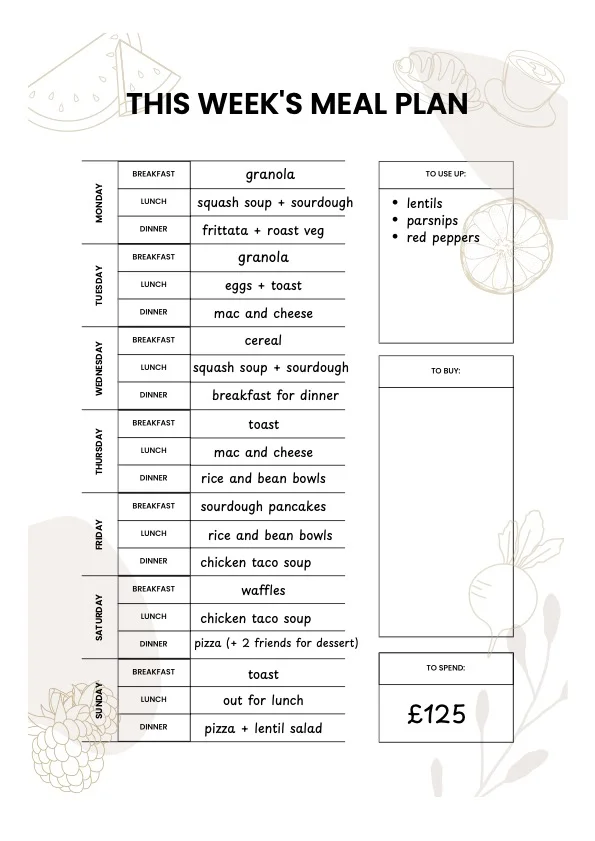
This approach supports efficient use of ingredients, ensuring nothing goes unused. Over time, it cultivates healthier eating habits since meals are thoughtfully composed rather than grabbed on a whim.
Key Nutritional Requirements to Consider Daily
Meeting daily nutritional needs involves balancing macronutrients—carbohydrates, proteins, and fats—as well as micronutrients like vitamins and minerals. A diet rich in fruits, vegetables, whole grains, lean proteins, and healthy fats promotes sustained energy and overall health.
Focusing on nutrient-dense foods helps maximize the value of every calorie consumed, which is especially important when managing a budget. Ensuring adequate hydration and fiber intake also supports digestion and wellness throughout the day.
Step-by-Step Guide to Creating Your Weekly Meal Plan
Assessing Your Pantry and Ingredients You Already Have
Start by taking stock of your existing pantry items, freezer contents, and fresh produce. This baseline prevents unnecessary purchases and allows you to build meals around what is already available. Organizing your kitchen space can also inspire creative use of ingredients before they expire.
Selecting Affordable and Nutritious Foods
Choose staples that provide excellent nutrition without breaking the bank. Beans, lentils, eggs, frozen vegetables, and whole grains like oats or brown rice are cost-effective options. Seasonal produce tends to be less expensive and fresher, so align your choices with what’s available locally.
Balancing Macronutrients on a Budget
To maintain a balanced diet affordably, combine plant-based proteins with whole grains and healthy fats. For example, pairing rice with beans offers a complete protein source at a low cost. Incorporate eggs or canned fish for additional protein variety. Whole foods generally provide better satiety and nutrients per serving than processed options.
Tips and Tricks for Shopping Smart and Saving More
Using Grocery Lists for Efficient Shopping
Crafting a detailed shopping list based on your meal plan helps keep purchases focused and controlled. This minimizes trips down irrelevant aisles, reducing the temptation to buy items outside your plan. Stick to your list strictly to save money.
How to Find Deals Without Sacrificing Nutritional Quality
Look for store discounts, loyalty programs, and bulk offers on nutritious items. Compare unit prices and opt for store brands when possible, as they often match national brands in quality. Avoid heavily processed sale items; instead, prioritize discounts on fresh or frozen whole foods.
Meal Prep Strategies for Time and Cost Efficiency
Batch Cooking Techniques That Retain Nutritional Value
Preparing meals in large quantities and portioning them for the week reduces cooking time and energy costs. Focus on recipes that store well, such as stews, soups, and casseroles. Proper cooking methods, like steaming or sautéing, preserve nutrients better than prolonged boiling.
Storage Solutions to Minimize Food Waste
Invest in airtight containers to keep meals fresh longer. Label meals with dates to track freshness and use oldest cooked food first. Freezing leftovers is an excellent way to extend shelf life and avoid spoilage, ensuring every ingredient is fully utilized.
Example Weekly Budget-Friendly Meal Plan
Breakfast, Lunch, and Dinner Ideas That Meet Daily Nutritional Needs
Start mornings with oatmeal topped with fruit and nuts, providing fiber and healthy fats. For lunch, consider a mixed bean salad with seasonal vegetables and a light vinaigrette for protein and vitamins. Dinner could be baked chicken with roasted root vegetables or a lentil stew combined with brown rice.
Snack Options That Are Affordable and Healthy
Snack smart with options like carrot sticks and hummus, air-popped popcorn, or a small handful of nuts. These choices offer essential nutrients and keep hunger at bay between meals without adding unnecessary calories or expense.