


Introduction to Aromatherapy in Self-Care
Understanding Aromatherapy and Its Benefits
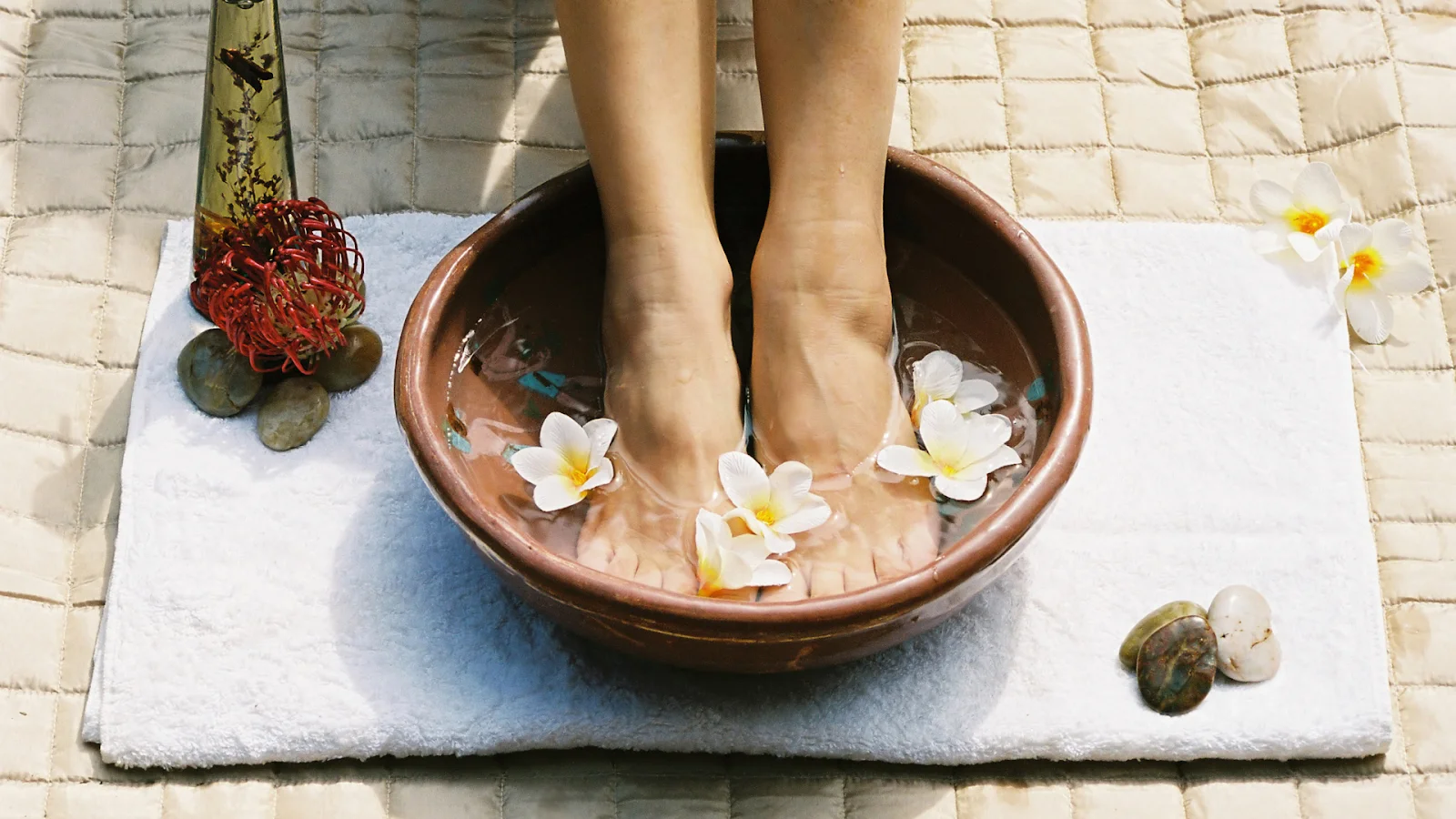
Aromatherapy is a holistic healing practice that utilizes the natural aromas of essential oils to promote physical and emotional well-being. The scents from essential oils can trigger responses in the brain that reduce stress, improve mood, and enhance relaxation. Incorporating aromatherapy into your self-care routine can provide a calming effect, helping to balance the mind and body in a gentle, natural way.
Why Incorporate Aromatherapy into Daily Rituals?
In today’s fast-paced world, stress and anxiety have become common obstacles to maintaining overall wellness. Including aromatherapy in daily rituals offers an accessible solution by creating moments of calm and grounding. This not only improves mental clarity and emotional balance but also supports better sleep and physical relaxation. Making aromatherapy a consistent part of your self-care fosters resilience against daily stressors and enhances your overall quality of life.
Essential Oils: Choosing the Right Ones for Relaxation
Top Relaxing Essential Oils and Their Properties
Identifying the right oils is crucial for achieving the desired relaxing effect. Lavender is widely known for its soothing and sleep-enhancing qualities, while chamomile helps ease tension and promotes calming. Bergamot offers uplifting yet calming properties that can alleviate anxiety. Clary sage supports emotional balance, and frankincense encourages deep breathing and a meditative state. Selecting oils with proven calming effects ensures your aromatherapy practice delivers genuine relief.
How to Source Pure and Safe Oils
One common challenge is distinguishing between pure essential oils and diluted or synthetic versions. Using impure oils can reduce effectiveness and cause skin irritation or allergic reactions. To avoid this, always purchase oils from reputable brands that provide transparent sourcing information and offer 100% pure, therapeutic-grade oils. Check for third-party testing and certifications, and avoid oils with added fillers or artificial scents.
Preparation Steps for Your Aromatherapy Practice
Setting Up a Calm Environment
The environment dramatically influences how aromatherapy affects your mood. Disorganized or noisy spaces can diminish its calming power. Create a serene atmosphere by tidying your area, dimming harsh lights, and minimizing distractions. Consider using soft textiles, cushions, or plants to make the space inviting and comfortable. The goal is to craft a tranquil setting that allows the subtle scents to fully engage your senses and promote relaxation.
Tools and Accessories You’ll Need
Incorporating aromatherapy effectively often requires a few key tools. Diffusers are popular for dispersing essential oils into the air evenly without overwhelming the senses. Additionally, having roller bottles or inhalers allows for targeted, on-the-go use. Calm music or sound machines can complement the aromatherapy experience by promoting relaxation. Ensuring you have the right accessories ready helps maintain a smooth and consistent practice.
Step-by-Step Incorporation of Aromatherapy
Morning Rituals: Energizing and Calming Blends
Mornings set the tone for the rest of the day, so starting with an energizing yet calming aromatherapy blend can boost focus and reduce stress. For example, combining peppermint with lavender in a diffuser can awaken the senses while promoting calm. Begin your day by taking a few deep breaths near your diffuser or using a roller blend on your wrists. This helps prepare your mind for challenges ahead and fosters a balanced mood from the outset.
Midday Relaxation Techniques Using Aromatherapy
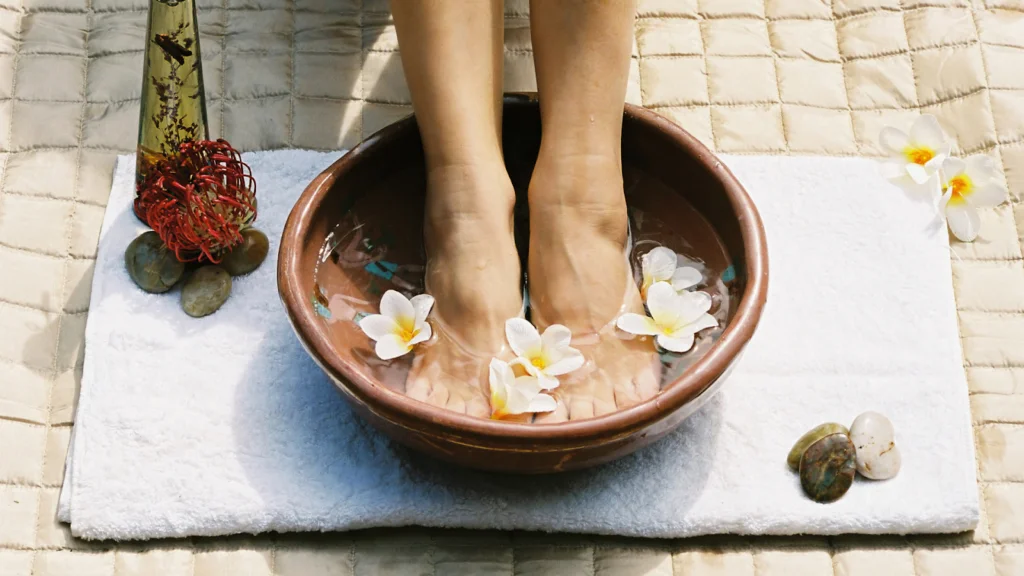
A midday slump and mounting stress can disrupt productivity and well-being. Aromatherapy offers a quick and effective way to reset. Try a brief aromatherapy session using oils such as bergamot or chamomile to uplift your mood and ease tension. Inhale the scents directly or diffuse them during a short break. Incorporating calming breaths along with the aroma intensifies the relaxation effect, helping to clear mental clutter and rejuvenate energy.
Evening Wind-Down: Using Aromatherapy for Better Sleep
Difficulty falling asleep is a prevalent problem linked to stress and racing thoughts. Aromatherapy addresses this by encouraging a natural winding down process. Use calming oils such as lavender or frankincense about an hour before bedtime by diffusing them in your bedroom or adding a few drops to a warm bath. Avoid stimulating fragrances or strong scents at night, as they can interfere with relaxation. Establishing an aromatherapy-based evening ritual signals your body and mind to prepare for restorative sleep.
Advanced Aromatherapy Techniques for Deep Relaxation
Combining Aromatherapy with Meditation and Breathing Exercises
For deeper relaxation, integrating aromatherapy with meditation and controlled breathing enhances the benefits substantially. The scents help anchor your focus and create a sensory experience that supports mindfulness practice. Begin with setting your diffuser in a quiet room, then adopt slow, deep breaths while concentrating on the aroma. This combination helps reduce stress hormones and promotes a profound sense of calm and presence.
Creating Personalized Aromatherapy Rituals
While general guidelines are helpful, personalizing your aromatherapy routine ensures it meets your unique needs and preferences. Experiment with different oils, timings, and delivery methods to discover what best supports your relaxation. Keeping a journal to record how certain blends affect your mood can guide adjustments over time. Tailored rituals increase the likelihood of continued practice and maximize the mental and physical benefits.
Tips to Enhance the Effectiveness of Aromatherapy
Consistency and Mindfulness in Practice
One common pitfall is using aromatherapy sporadically without focus or intention. The true power of aromatherapy unfolds through consistent, mindful practice. Make it part of your routine by setting dedicated times for use and paying close attention to the sensations and emotions the aromas evoke. This approach strengthens your body’s response and deepens the relaxation experience.
Safety Precautions when Using Essential Oils at Home
Essential oils are potent and require responsible use to avoid adverse reactions. Never apply undiluted oils directly to the skin, especially if you have sensitive skin or allergies. Pregnant individuals, children, and pets may have specific sensitivities, so consult a healthcare professional if unsure. Ensure good ventilation when diffusing oils and discontinue use if irritation occurs. Following safety guidelines protects your health and ensures a positive aromatherapy journey.